Data Center Roofing
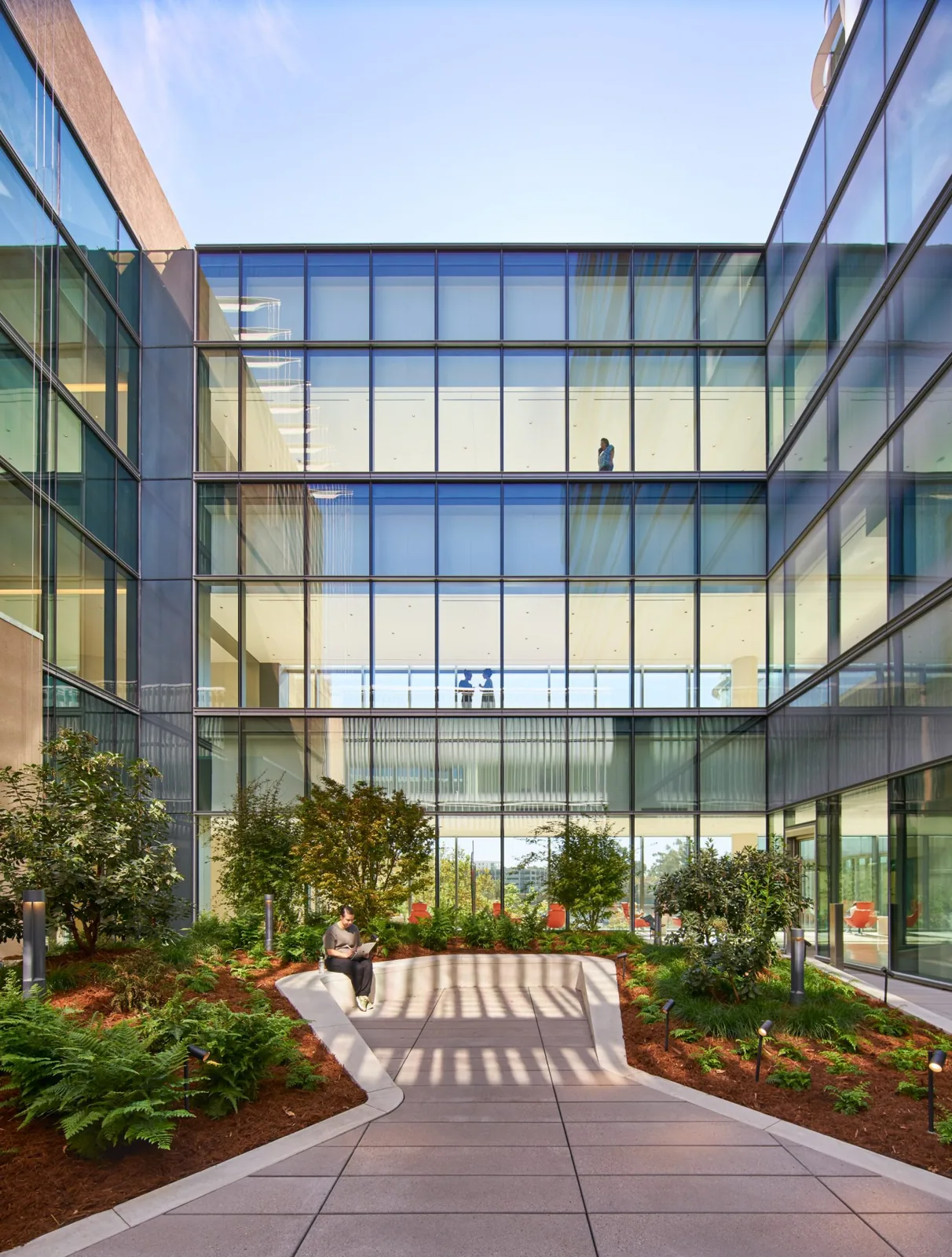
A roof leak above cooling or electrical equipment can put uptime at risk before water reaches a visible ceiling stain. We first coordinate with facility operations, protect the affected area, and inspect the roof route, penetrations, drainage, and reported leak location. In Broken Arrow, OK, late-summer heat can exceed 100 degrees frequently, which makes cooling demand and safe roof access relevant to project planning. A data center roof visit also has to respect security, equipment clearance, and change-control procedures. Our inspection documents the roof condition and the access controls required before repair or replacement is scheduled.
Keep uptime in the work sequence
Data center roofs may support HVAC units, exhaust, electrical pathways, cable or pipe penetrations, and service routes that cannot be blocked without coordination. We map those components, confirm the facility's change window, and identify which roof areas can be accessed without disrupting operations. If active water threatens equipment, we isolate and protect the area while documenting the opening. Temporary dry-in is kept distinct from permanent correction so the operations team knows which measures remain in place and what must happen next.
The roof scope depends on the installed membrane or metal system. We check seams, flashing, curbs, drainage, and attachment, then compare roof observations with interior sensors or maintenance logs supplied by the facility. A commercial office roof review often focuses on tenants and interior finishes; data center planning adds controlled access and critical equipment interfaces. A roof asset record can help facilities maintain a location-specific history without assuming conditions across multiple buildings.
Inspect cooling and electrical interfaces
Mechanical curbs, intake and exhaust openings, conduit supports, and rooftop service paths create penetrations or concentrated traffic. We inspect flashing, seals, membrane transitions, and support bases at those locations, while confirming which equipment cannot be isolated. The roofing scope does not replace mechanical or electrical design, but it must coordinate around those systems. If a unit change is planned, we document curb dimensions and clearance before the roof is opened so the new flashing can be sequenced with the equipment contractor.
Broken Arrow includes a Northeastern State University campus near the New Orleans Street and Creek Turnpike interchange, a multi-building institutional setting connected to the regional road network. NSU's Broken Arrow campus is at New Orleans Street. A data center's actual building location, security process, roof access, and staging route are confirmed with its operator. A curb and support review can coordinate roofing details when equipment replacement is part of the project.
Plan around heat, hail, and sudden rain
Late July through early September in the Tulsa climate brings frequent readings at or above 100 degrees. Roof access and hot surfaces require a work schedule that protects people and material handling, especially around mechanical equipment. We confirm the installation limits for the selected system and plan the work hour, staging, and end-of-shift protection. Spring creates another constraint: frequent showers and thunderstorms can arrive during the wettest part of the local year. Permanent repairs that require a dry substrate wait until the roof and forecast support the installation.
Hail reports occur through the year, with a spring peak, and local impact can vary from one property to the next. We inspect the actual roof for punctures, loose flashings, disturbed edges, and leaks rather than inferring damage from a regional report. Zeeco's Global Technology Center combines industrial-scale combustion research and manufacturing. For data-center work, we confirm airflow requirements, air-intake protection, generator access, and security directly with the operator.
Separate a leak call from the capital plan
A leak at one penetration may need an immediate repair; repeated moisture, wet insulation, deteriorated seams, or attachment concerns may call for broader investigation. We mark each finding and state whether it is visible, tested, or still concealed. If the assembly remains sound outside a small failure, repair may be appropriate. Widespread deterioration can lead to a recover evaluation or replacement comparison after reviewing moisture, layers, deck, drainage, and current requirements. A data center schedule may require work to be divided into controlled zones so critical areas remain protected. Where the site includes manufacturing functions, plant roof planning also accounts for production access.
Recovery or replacement may also affect thermal performance, equipment curbs, drains, and future service paths. We identify interfaces for the design and operations teams before final scope. A condition report can document roof zones and priority items for planned investment. Where the facility sits in an industrial district such as Creek 51 Business Park, local highway connections help orient delivery planning, but site security and gate controls determine how crews access the building.
Control access above critical spaces
Before work begins, we confirm escort requirements, badge procedures supplied by the facility, approved contractors, roof routes, lift locations, and emergency contacts. We establish barriers below the active work and identify protection for racks, controls, and electrical equipment. A phased occupied-building sequence can coordinate noise, odors, hot work, and daily handoffs around facility windows. If weather forces a stop, the roof is secured and the operations contact receives a clear record of completed and pending work.
New Orleans Street and the Creek Turnpike provide a local route near NSU, while SH-51 crosses the north side of Broken Arrow. These roads help organize travel, but the data center's property rules govern every delivery and roof entry. Emergency response is available at any hour, including weekends and holidays, when an active opening needs protection. Planned repairs move forward only after the facility approves access, work windows, and any outage or equipment coordination required by its change process.
Leave an accurate facilities record
Closeout photos show the repaired detail, penetrations, adjacent roof condition, and any item left outside the approved boundary. The report records materials, dates, access limitations, and follow-up needs so facilities can attach the roof work to its maintenance and change records. A planned roof inspection can revisit drains, curbs, seams, and areas near equipment after major weather. Provide access protocols, drawings, cooling-unit schedules, leak logs, and emergency contacts when arranging a visit. We will document the roof and return a work plan that operations can review before crews reach critical areas.
At a data facility, roof access is part of change control. Before the visit, the owner identifies approved personnel, escort requirements, roof routes, and any equipment zone that must remain untouched. The inspection then records the reported location, nearby penetrations and drains, and the limits of the approved work area. A ceiling symptom alone may not identify the roof entry point, so we keep the observed condition separate from the suspected path. Repair planning should also state whether temporary protection is needed and who can authorize a broader opening if concealed conditions appear. The handoff gives operations a dated record of completed work, any conditions left outside scope, and the next requested decision. That supports continuity between facilities, security, and maintenance teams.
Commercial Roofing Questions
Can roofing work happen without interrupting data center operations?
The sequence depends on the facility's access and change controls. We plan work zones, protection, deliveries, equipment clearances, and handoffs with operations before scheduling an active roof area.
How do you protect servers and electrical equipment from an active leak?
We locate and protect the interior area, establish temporary measures at the roof, and record what remains temporary. Permanent correction follows inspection of the roof detail and suitable installation conditions.
What should a data center provide before a roof inspection?
Share escort and badge procedures, roof drawings, equipment schedules, air-intake restrictions, leak records, and approved work windows. Those details help us plan access without disrupting the facility's controls.
Do you coordinate repairs around cooling equipment?
Yes. We confirm unit clearances, penetrations, service paths, and any shutdown or equipment contractor involvement before defining the roof detail and staging plan.
When does a data center roof need replacement planning?
Repeated leaks, broad moisture, failing attachment, or deterioration across multiple zones can justify a capital comparison. We document evidence and compare repair, recover, and replacement after checking the assembly.