Emergency Commercial Roof Repair
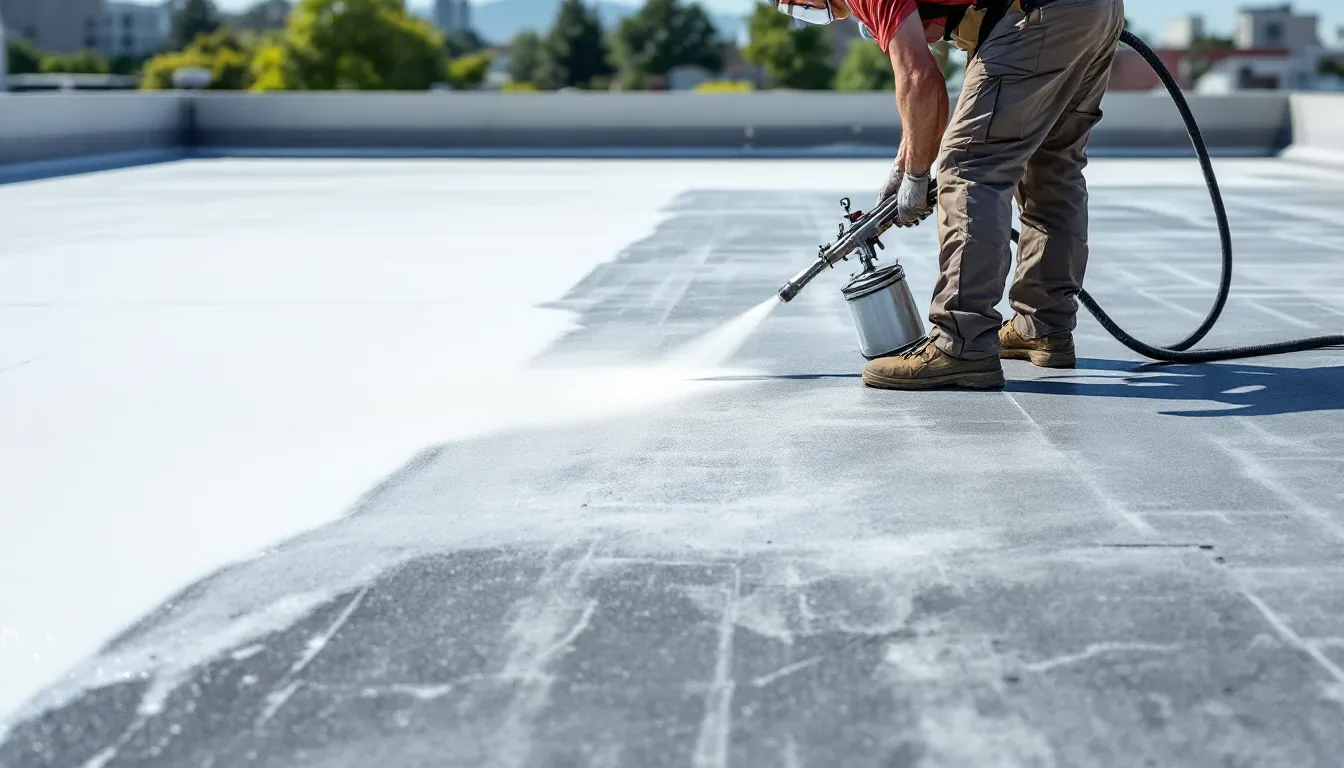
A tornado warning or hail report changes the first move: protect people and the interior, then reach the roof only when conditions are safe. In Broken Arrow, OK, severe storms bring localized hail and damaging wind, and tornado damage has occurred at or near the city. The first site record notes what the building team sees: active water, displaced material, a puncture, or an opening at an edge. The follow-up inspection checks the roof before permanent repairs are scoped. Urgent roof calls are handled at any hour, on weekdays, weekends, and holidays, with perimeter control and temporary dry-in where access allows. The roof inspection follows when wind, lightning, and surface conditions permit. At a property near the Broken Arrow Expressway or Creek Turnpike, the site contact confirms gate access, loading restrictions, and safe staging before equipment arrives. A permanent repair scope follows after the immediate exposure is controlled.
Triage the risk before roof access
Emergency work begins with a safe route and a clear picture of what is happening below. The building contact identifies affected rooms, occupied areas, equipment, electrical concerns, and any ceiling material at risk of falling. We mark no-entry areas, keep exits open, and set interior protection where water is active. Roof access waits if lightning, active wind, unstable materials, or unsafe ladders make the climb unreasonable. The first decision is whether the opening can be reached and temporarily secured or whether the building needs a controlled interior response while weather passes. We record the time, visible impact, interior reports, and work performed so temporary protection is not confused with permanent repair. For a medical property such as Ascension St. John Broken Arrow, care and facility operations call for direct coordination with the site contact; the roof response does not interrupt critical areas without an agreed access plan.
Control the opening and water path
Once access is safe, we locate the exposed area and determine how water may be entering. Temporary protection can include a secured tarp, compatible cover, temporary flashing, or another method suited to the surface and weather. It must be attached and weighted for the conditions without directing water into another opening or creating a loose hazard. We check whether adjacent membrane, coping, drains, or penetrations also need immediate attention, then define exactly what the temporary measure covers. Where a leak is active, leak tracing and repair can continue after the immediate opening is under control. We protect roof drains from debris and keep material away from operating equipment. A photo record shows the opening before and after dry-in, the temporary repair boundary, and any remaining exposure. If the roof is too wet or wind remains unsafe, the crew leaves a safe interim plan with the owner and returns when conditions allow.
Let the weather set the permanent sequence
Temporary protection and permanent repair have different weather requirements. Tulsa typically gets its wettest weather in spring, while the greatest concentration of large hail and damaging winds falls in spring and early summer. A roof surface may need to dry before membrane welding, adhesive work, or other permanent detail repair can proceed. Late-summer heat can also affect safe access and material handling. We inspect the substrate and surrounding assembly, confirm compatible materials, and set the next work area to fit a safe weather window. The record distinguishes visible storm effects from pre-existing wear and identifies any test or opening still needed. If the damage is tied to a reported hail event, a claim documentation package can organize dated photographs and observations without substituting weather history for site evidence. Separate hail damage and wind damage assessments keep each observed condition clear. The owner receives a status for every area: protected, ready for permanent work, or awaiting safe conditions.
Stage around access and building use
Emergency work still needs a controlled staging area, perimeter, and communication handoff. We coordinate lift or ladder placement, delivery routes, rooftop equipment clearances, and any tenant or production hours that affect access. Creek 51 Business Park is an industrial and light-industrial area; the building contact identifies the actual traffic, process, and staging restrictions before equipment arrives. At The Shops at Aspen Creek, retail, residential, dining, and entertainment uses occupy a mixed-use setting, so pedestrian paths and customer circulation need attention when equipment is positioned. The property contact confirms the staging area, pedestrian paths, and operating limits for that address. The daily work note records which area was entered, what was covered, which pathways remain open, and who has the next update. For larger follow-up scopes, occupied-building sequencing can coordinate repairs by zone while the property continues operating.
Move from stabilization to permanent work
Emergency stabilization is the first handoff, not the final roof record. We provide the owner with photographs, the locations covered, the materials used, and the limits of the temporary measure. The next inspection checks the underlying assembly, seams, flashing, edge metal, drains, and any roof areas the storm may have affected. If the building needs a broader condition record, a follow-up inspection can establish whether repair, recover, or replacement is appropriate. Maintenance planning can add post-storm checks to routine roof maintenance. At Ascension St. John Broken Arrow, the campus includes a six-story hospital and a connected medical office building. Roofing work there needs clear access, interior protection, and coordination with the facilities contact. The specific roof still determines the scope. Our emergency response remains available around the clock, all week and on holidays, with permanent work scheduled to match verified conditions and the next safe weather window.
An emergency call begins with the immediate exposure, not the permanent material choice. We ask where water is entering, what space or equipment is at risk, and whether the roof can be reached safely. The first crew secures the area below, establishes roof access, and applies temporary protection suited to the surface and current weather. If lightning, high wind, or a wet roof makes travel unsafe, the response waits for a safe entry window while the owner protects occupants indoors. Temporary material is recorded by location and checked for stability before the team leaves. The next visit confirms the source, substrate, and assembly before permanent repair is proposed. When a leak appears during nights, weekends, or holidays, dispatch remains available to coordinate the response, but the repair boundary still follows observations at the building. The owner receives a clear status, including what is dry, what remains exposed, and when the next inspection or repair can proceed.
Commercial Roofing Questions
Do you respond outside normal business hours?
Yes. Emergency crews take roof calls after hours, on weekends, and during holidays. Dispatch still depends on safe access and current weather, and the first work is selected to control immediate exposure without putting people on an unsafe roof.
What should we do while waiting for a crew?
Keep people clear of affected rooms, protect equipment only when safe, and contact the building lead. Share the address, roof access instructions, active leak locations, and any electrical or falling-material concern so the response can be staged appropriately.
Will the first visit complete the permanent repair?
Sometimes a small, dry, accessible defect can be repaired on the first visit. Storm openings often need temporary protection first, followed by inspection when the roof is safe and dry enough for the permanent materials and method.
How do you decide whether the roof is safe to access?
We consider lightning, wind, standing water, roof condition, ladder or hatch access, and hazards near the affected area. If access is unsafe, we protect the interior or perimeter as possible and return when conditions permit roof work.
What documentation do we receive after stabilization?
The handoff records the affected area, photographs, temporary protection installed, access limits, and remaining exposure. Follow-up findings and permanent repair recommendations are documented separately so the owner can see what remains to be completed.