Roof Insurance Claim Assistance
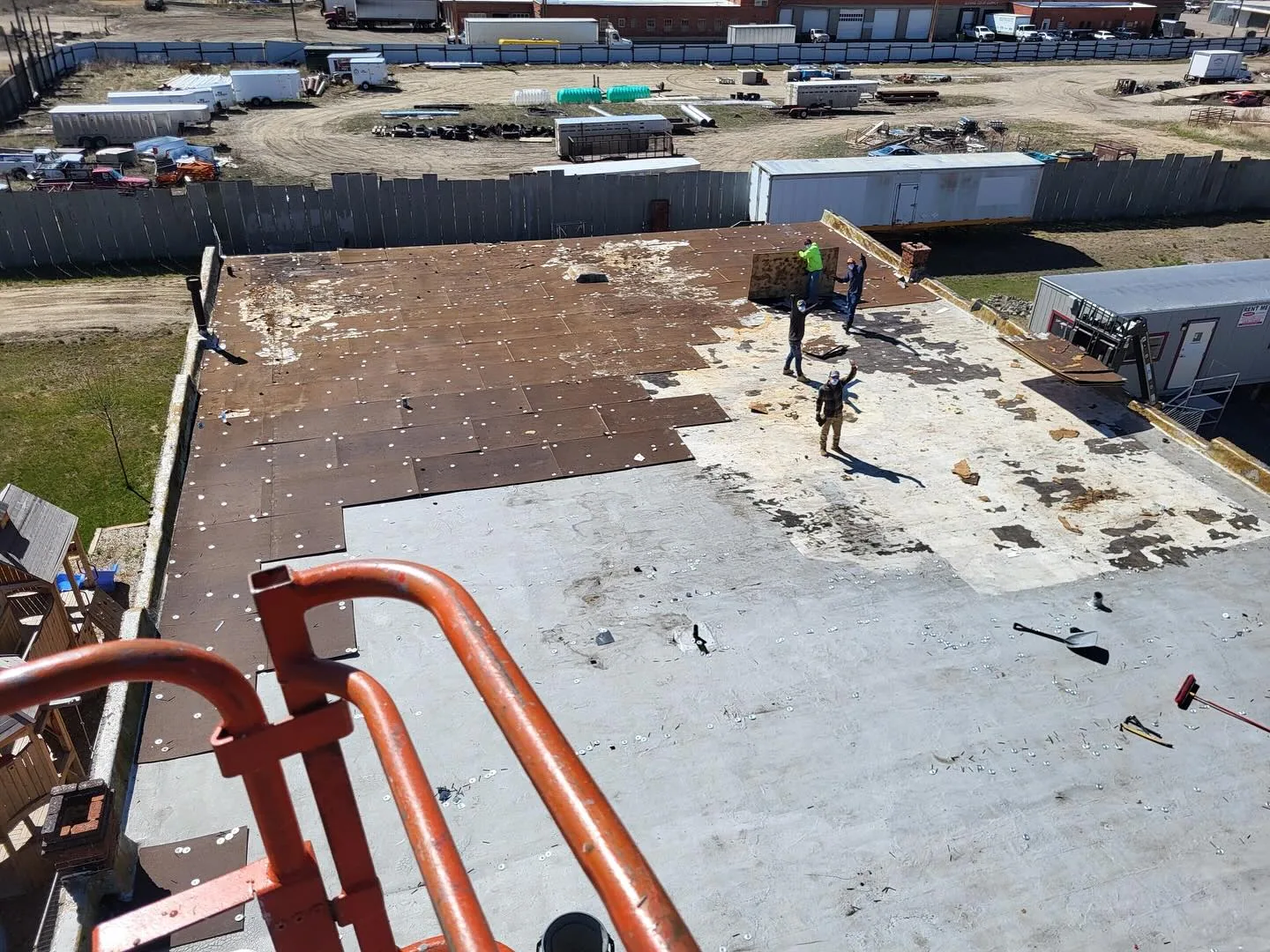
A spring hail watch may prompt a property team to document the roof before cleanup or repair changes what can be seen. In Broken Arrow, OK, Tulsa-area hail reports occur throughout the year and peak in spring, with impacts that can vary from one property to another. We inspect the actual roof, photograph observed conditions, record interior reports, and note any temporary protection or repair already completed. The documentation maps observed roof conditions, interior reports, and completed repairs so the owner can share a clear physical record with the carrier. Ownership can use a roof inspection record and dated condition photographs to organize its next step. At an industrial property near the Broken Arrow Expressway or Creek Turnpike, the access plan is coordinated with the facility contact so documentation does not interfere with loading or production.
Preserve the condition and sequence
Claim records are clearer when they show the order of events. We note the reported storm date, when water or damage was observed, the affected building area, temporary protection, inspection timing, and any repair that changed the roof before photographs were taken. Images are tied to roof sections and details such as seams, curbs, penetrations, drains, or edge metal, with interior conditions recorded separately. If a condition cannot be dated from the available evidence, it remains undated in the report. The record separates direct observation from an owner's report or test result. A follow-up storm assessment can record additional findings after safe access is available, while emergency stabilization is listed separately from permanent repair.
Describe repair needs precisely
A useful repair scope names each location, observed failure, proposed method, and work boundary. We explain whether the work addresses a puncture, open seam, flashing transition, displaced edge, or wet material confirmed by testing. If an opening must be protected before permanent work, the record states what temporary measure was used and what remains to be repaired. We also document roof conditions outside the authorized repair area that may need separate review. For example, a leak near a drain does not establish that the drain is the only source; adjacent seams, overflow paths, and prior repairs may also need inspection. A defined commercial repair plan keeps the technical work legible to facilities staff. Where findings point to broader moisture or attachment concerns, a recover review or replacement comparison may be appropriate after additional inspection.
Keep coverage decisions with the policy
Our report describes physical conditions, recommended work, and completed repairs. The policyholder and carrier apply the policy terms to coverage, exclusions, deadlines, and payment. If an adjuster visit is scheduled, the owner can share the roof map, photographs, and repair boundary so each person can review the same locations. We can explain the roofing method and the conditions observed during our inspection, then document any new information from a later site visit. Tulsa-area hail reports peak in spring, and tornado damage has occurred at or near Broken Arrow. We document roof conditions at the insured property separately. At a healthcare property such as Ascension St. John Broken Arrow, roof and interior access still need to be planned with the facility team, especially when treatment areas or essential equipment are nearby. Written records stay limited to what was inspected, tested, and repaired.
Coordinate records with building operations
Documentation requires access to the roof, the interior area below a reported leak, and the person who can confirm the event sequence. We schedule around occupied hours, security steps, delivery windows, and any need to protect inventory or equipment. Creek 51 Business Park is an industrial-zoned location near the Creek Turnpike and SH-51; on an active facility, the site contact can identify gate instructions and routes that must remain open. At The Shops at Aspen Creek, mixed retail, dining, entertainment, and residential activity can affect where inspection equipment is staged. At these active properties, we confirm the staging location with management. If roof work proceeds while the building remains open, an occupied-building sequence tracks notice, temporary closures, and daily handoff. We identify who receives photographs, who approves the scope, and which conditions need another visit before the file is complete.
Deliver a file the owner can follow
The final package organizes photographs, roof locations, observed conditions, test results if taken, temporary measures, and completed work. It also lists unresolved questions and any areas that could not be inspected, so missing evidence is visible rather than implied. If severe-weather conditions recur, the property team can compare later photos with the original locations. Scheduled maintenance can revisit repaired details after weather exposure, while leak tracing addresses water entry that continues or appears elsewhere. For a local example of mixed-use access planning, The Shops at Aspen Creek has retail, multifamily, dining, and entertainment uses; the conditions at the owner's own property still control the documentation. The handoff ends with the file recipient, authorized work boundary, and next action, giving ownership a clear basis for coordinating its carrier, facility staff, and repair schedule. We keep the original capture dates and repair sequence attached to the corresponding roof section so a later reviewer can compare records without relying on memory. Photos should identify the condition before work and the finished detail after repair whenever both views are available.
For a multi-building claim, we label each file by property, structure, roof section, and inspection date. That prevents a photograph from one roof from being used to describe another building in the same portfolio. We also preserve the limits of each visit: the conditions viewed from the roof, areas reached by ladder, and items concealed under equipment or material. If an owner authorizes emergency dry-in before a full inspection, we document the exposed area as found and the temporary work completed. Later permanent repairs receive their own photos and scope notes. The file can include maintenance records or prior repairs supplied by the owner, clearly separated from our current observations. We identify missing information that could affect the roofing estimate, such as roof plans, system records, or access to an enclosed section. The result is a traceable set of roofing evidence that supports the owner's policy process while keeping the scope and coverage decision distinct.
Commercial Roofing Questions
Can you confirm that storm damage is covered by insurance?
No. We can document roof conditions and explain the repair work, but policy language and coverage decisions belong to the carrier and policyholder. Our records stay focused on observed conditions, testing, and work performed.
What should we document before emergency cleanup?
When safe, record the event timing, affected areas, water entry, and visible roof changes before material is moved. Do not delay protection when people or the building are at risk; we can note what occurred before and after temporary work.
Can you separate older wear from new storm conditions?
We compare the available prior records, surface condition, repair history, interior reports, and inspection timing. Where the evidence does not establish when a condition began, the report states that limit instead of assigning a date.
Will the report include work completed before the inspection?
Yes, if the owner provides that information. We note when the roof was changed, what was reportedly repaired, and which conditions can still be inspected. Photographs taken after the work are labeled with their timing, and records provided by ownership are identified separately for any later review.
What if the adjuster and roofer identify different repair areas?
We can review the roof locations and explain our observations and proposed method. Any additional inspection or revised scope is documented by area, while the carrier makes its own coverage decision under the policy.