Commercial Roof Condition Reports
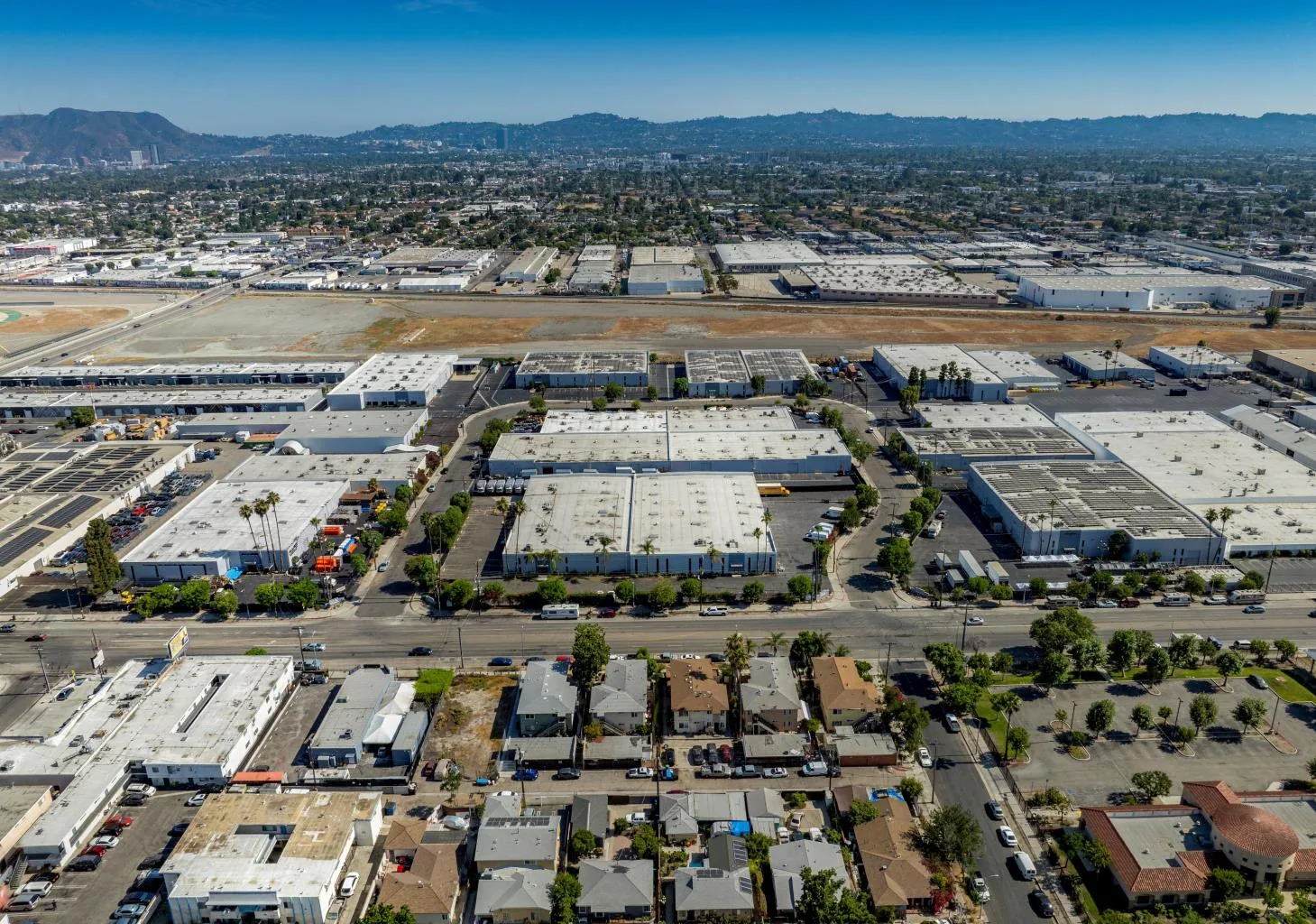
A storm notice may reach the property team before anyone knows whether a roof detail moved or water entered the building. A useful condition report starts with a site-specific inspection, photographs, and a map that connect each observation to the roof area and the rooms below it. We mark what is confirmed, what remains inaccessible, and what needs testing before a repair boundary can be set. In Broken Arrow, OK, properties around the Creek Turnpike range from industrial sites such as Creek 51 Business Park to institutional buildings on New Orleans Street. The report records the actual roof, not an assumption drawn from the location. A hands-on roof inspection establishes the field record.
Connect each photograph to a roof location
A photograph without a location can leave the owner guessing which drain, seam, curb, or edge needs attention. We label images by roof zone and include enough surrounding detail to find the condition again. Where available, a roof plan or sketch provides a reference for the observation. Notes capture the date, weather context supplied by the property team, access limitations, and whether the area was dry, wet, obstructed, or unsafe to inspect. If a close-up cannot establish the defect, we state what additional view or test could clarify it.
At Creek 51 Business Park, the Creek Turnpike and SH-51 junction helps orient dispatch; the site contact confirms building access before the visit. We confirm the gate, roof entry, escort, and staging instructions with the site contact. The report keeps those logistics apart from technical findings while showing how they affected the inspection route. A Creek 51 area roof visit can update both the location record and the conditions found at the requested property.
Separate a visible issue from its cause
Surface cracks, open seams, displaced flashing, ponding, corrosion, interior staining, and wet insulation are different observations. A report does not combine them into one diagnosis without evidence. We compare roof findings with leak timing and the room or equipment identified by the facility team. Water can travel before it appears inside, so a nearby roof defect may not explain every stain. If the route remains uncertain, the report describes a targeted test, infrared survey, or authorized opening that could resolve it.
Tulsa-area rainfall is heaviest in spring, when recurring showers can affect the inspection and closure window. A roof with a current opening may need immediate protection, while a dry but aged section can require monitoring or planned repair. We note these separate priorities and identify the condition that would change the sequence. If concealed layers have not been opened, the report says so. An infrared moisture survey can help map suspected wet areas when the roof and conditions support that method; it does not replace inspection of seams, penetrations, and drains.
Set a boundary for the next action
Each recommendation identifies the location, observed condition, action, and approval or access needed. We can classify an item as temporary protection, confirmed repair, targeted testing, planned maintenance, or a broader assembly review. Where the owner authorizes an opening, the report records the area and what was visible after removal. Any added wet insulation, damaged deck, or incompatible prior repair can then be reviewed before the work expands. This keeps a narrow repair order separate from unresolved conditions elsewhere on the building.
Near the Creek Turnpike and 161st East Avenue, The Shops at Aspen Creek includes retail, apartments, restaurants, and entertainment. For properties with customer, tenant, or delivery activity, the report notes the operating controls that affect where and when a crew can work. We confirm those controls at the actual building rather than infer roof access from a site's use. A drone roof inspection may help document areas that cannot be safely reached on foot, subject to site and weather conditions. A roof asset record can carry the report's findings into later visits.
Make priorities usable for operations
Facilities staff need to know what must happen now, what can be scheduled, and what information is still missing. We organize findings by exposure, access, operating impact, and the consequence of leaving a confirmed defect open. A report can separate an active water entry from a suspected moisture area, or a loose component from a repair that requires a dry work window. We state whether the building needs interior protection, restricted roof access, or a return visit after weather clears. Emergency response is available around the clock when an opening cannot wait for ordinary scheduling.
When ownership is preparing a capital request, the report identifies repair boundaries and unresolved quantities that could affect the next estimate. A capital planning review can compare those findings with longer-term renewal options, while a due diligence survey addresses a different decision tied to a property transaction. Each document should state its purpose and limits so operations staff do not use a preliminary survey as a bid scope.
Keep the record current after work
After repair, the closeout adds completion photographs, the materials or details addressed, and any area left for monitoring. If a temporary cover remains, the report names the next check and the condition that calls for another visit. If no work proceeds, the record preserves the owner decision and the unresolved risk. A later inspection can compare the same location and distinguish a new change from the original finding.
A condition report should make each recommendation traceable to a photograph, roof location, and observed detail. We label the building and section, describe what was visible, and distinguish a confirmed defect from a suspected moisture path. The report also notes weather, surface conditions, and access limitations that could affect interpretation. If an opening or test was performed, the location and result are recorded so the owner can compare that evidence with the surrounding roof. Work outside the inspection scope is listed separately, including mechanical, structural, and interior items. For a portfolio, the summary can rank urgency, but the underlying finding remains attached to its own roof rather than generalized across multiple properties. We close with an action: protect, repair, monitor, test, or plan renewal. That format lets maintenance staff assign the next step and verify completion without translating a broad condition label into a work order.
For a campus or multi-building portfolio, each report remains tied to its own roof, contact, and operating restrictions. Broken Arrow's Northeastern State University campus sits near New Orleans Street and the Creek Turnpike, a useful reference when coordinating a regional visit; current campus access and escort requirements still come from the facility. A Broken Arrow roof visit records those building-specific conditions. Share roof plans, past repairs, event timing, leak locations, and access instructions so the report can support the next maintenance or capital decision.
Commercial Roofing Questions
What does a commercial roof condition report include?
It records inspected areas, dated photographs, mapped observations, reported interior impacts, access limits, and recommended next actions. We separate confirmed conditions from items that need testing or additional access.
Can photographs show whether insulation is wet?
A surface photo alone cannot confirm moisture inside concealed layers. We can identify visible clues and recommend infrared review or an authorized opening when the conditions support additional testing.
Will the report tell us exactly what a repair costs?
A condition report defines observed work and uncertainties. Pricing requires a scope with quantities, access, materials, and any removal or testing assumptions stated for the property.
Can the report distinguish storm damage from older wear?
We compare the supplied event timeline with photographs, prior repair records, and current roof observations. The report states what the evidence supports and leaves unresolved cause questions open.
How should the facility use the report after a repair?
Keep the closeout photographs and repair locations with the original inspection. A later visit can compare the same areas and update any monitoring or access instructions.