Manufacturers
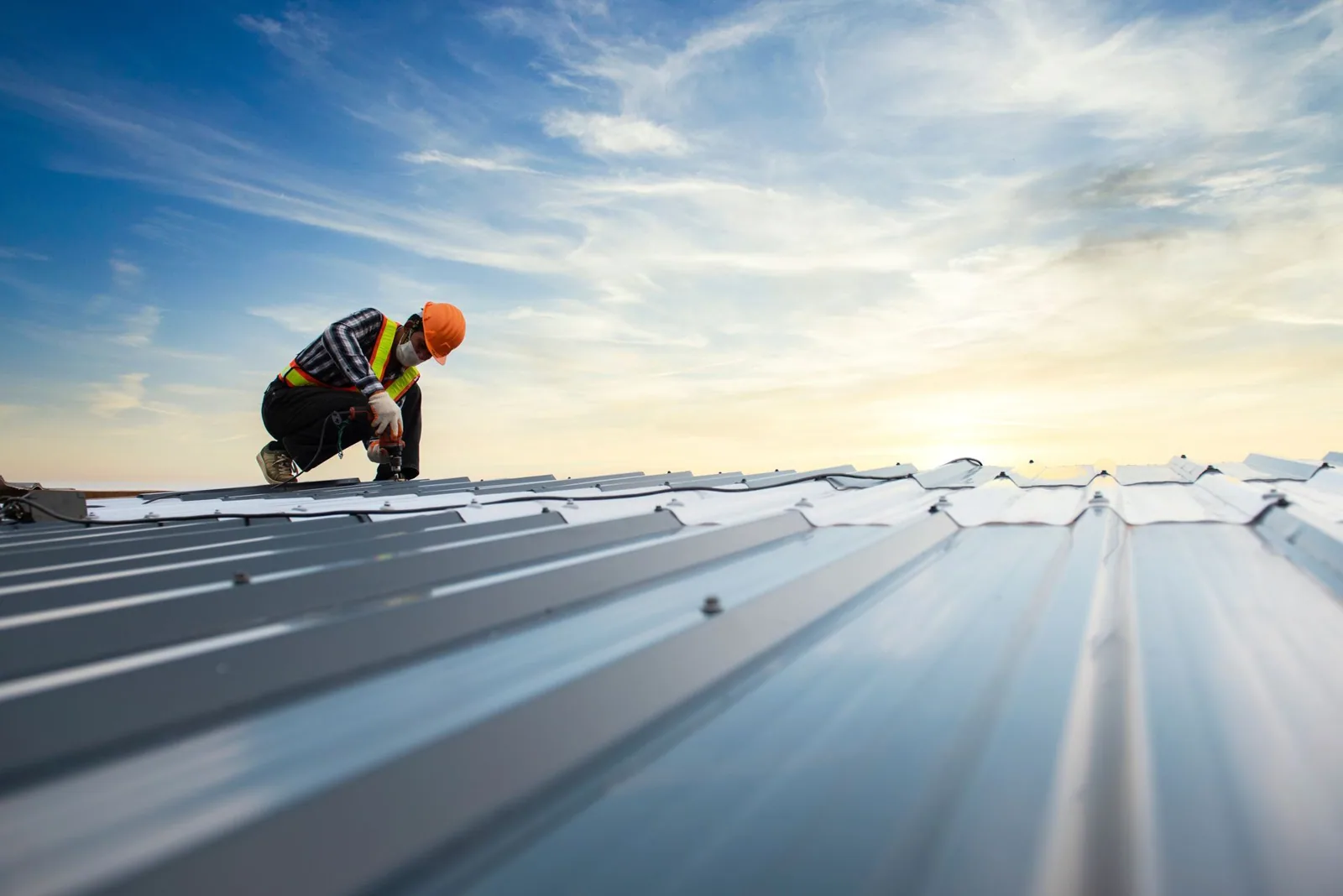
A roof opening above a production line can become an operations issue before water reaches the floor. We first locate the report, protect the interior, and agree on roof access and a work zone with the facility contact. Broken Arrow's manufacturing base includes more than 300 manufacturers and over 5,500 manufacturing jobs, with varied equipment and access needs across facilities. Zeeco's Broken Arrow Global Technology Center combines combustion research and testing with manufacturing. We inspect each roof assembly directly, since plant equipment and processes do not identify its materials or condition. A manufacturing roof inspection gives facilities a documented repair boundary and a next decision.
Protect the production route
Before a crew reaches the roof, we confirm employee entrances, loading routes, lift placement, equipment clearances, and any area that must remain accessible. The site contact identifies production hours, sensitive materials, exhaust locations, and restrictions on noise, hot work, or odors. These details shape the staging area and sequence. If material must cross an active yard, we set a route that avoids vehicle conflicts and maintain a clear boundary below the work. A phased plant schedule helps isolate roof zones while production continues where the facility allows it.
Creek 51 Business Park is an industrial-zoned location at the Creek Turnpike and SH-51 junction, with utility service identified for industrial tenants. FlightSafety International Broken Arrow manufactures flight-simulator engineering and training systems at its local operation. These are distinct examples of the industrial activity in the market, not descriptions of an individual roof. Each visit still begins with the plant's own map, access rules, and roof assembly. For facilities with outbound freight or third-party handling, a logistics roof coordination plan can help connect roof staging to yard and dock schedules.
Inspect details that interrupt the roof
Industrial roofs may include vents, stacks, ducts, equipment curbs, skylights, drains, wall transitions, and multiple additions. We map those details with seams, membrane condition, edge metal, prior patches, and visible water paths. A maintenance ticket from a process bay gives us an interior location, not the roof opening. We compare its timing with the plant's roof map, seams, drains, and penetrations before assigning a repair point. We record where evidence supports a repair, where moisture testing could help, and which locations could not be inspected. A photo condition report gives maintenance and plant leadership the same marked-up record.
For membrane roofs, compatible preparation and seam repair matter; a surface coating cannot correct wet insulation, failed attachment, or a deteriorated deck. Metal roofs need attention to fasteners, laps, closures, and flashing, while drains and scuppers must be checked for restrictions. We identify the installed assembly before recommending materials. A localized puncture, recurring seam issue, and widespread moisture call for different scopes. Where the visible inspection cannot settle a question, we define the test or opening needed rather than describe a hidden condition as certain. The moisture survey option is selected for the roof and question at hand.
Set work to the Tulsa weather window
Production scheduling has to account for the region's two difficult roof periods: spring rain and thunderstorms, then prolonged rooftop heat later in summer. Hail and damaging wind occur most often in spring and early summer. Tulsa also sees frequent readings at or above 100 degrees Fahrenheit from late July through early September. We set access times and closure points to the actual surface and forecast. When rain stops preparation, the plant contact gets the status of each temporary seal and the earliest task that can resume. A metro weather alert prompts a site check, not a damage conclusion.
After a reported event, the inspection record distinguishes new visible conditions from the maintenance history. It identifies openings, displaced edge components, or seam changes that can be seen, then separates those from questions about concealed moisture. Shift supervisors can authorize an urgent dry-in through our overnight and holiday dispatch. The permanent repair is scheduled after material compatibility and the affected assembly are confirmed. The closeout identifies the work zone and any testing still needed, leaving production staff with a status they can carry into the next shift.
Keep repair limits tied to evidence
Manufacturing leadership often needs an answer that distinguishes a repair from a capital project. We document the affected section, what the crew inspected, and the limits of that inspection. If a repair can restore a localized detail, the scope identifies its materials and tie-ins. Repeated leaks, broad moisture, deteriorated attachment, or deck concerns may justify an expanded survey or replacement comparison. We check existing layers, drainage, substrate, and equipment interfaces before considering recover. A defined repair scope and a recover evaluation are separate decisions, not interchangeable line items.
Cost and duration depend on roof access, material handling, protection below, wet material removal, deck findings, tie-in complexity, production restrictions, and weather. We describe those drivers and note assumptions that depend on concealed conditions. If a planned equipment change will affect a curb or penetration, the roofing sequence is coordinated before the existing roof is opened. Where the facility requires uninterrupted access, work can be split into zones with a documented closeout after each one. That approach gives maintenance staff a clear handoff without implying that every plant can use the same shutdown plan.
Return the plant to its normal route
Closeout photographs show the repair and adjacent details, while notes identify materials, roof areas, and any item outside the authorized boundary. We tell the contact whether temporary protection remains, what additional investigation is recommended, and how follow-up access can be arranged. Zeeco's Global Technology Center combines combustion research and testing with manufacturing, while FlightSafety's Broken Arrow operation develops flight-simulator engineering and training systems. At a healthcare portfolio, a healthcare roof program can keep condition maps separate across active facilities.
Share production hours, equipment shutdowns, roof plans, interior leak reports, access requirements, and any planned mechanical work when requesting service. We will map the route, secure the work zone, document the repair boundary, and return a schedule that identifies what can proceed and what still needs a decision. The plant receives a roof record that maintenance can use during the next shift, after the next storm, and when capital planning begins.
Production sites often need roofing work coordinated with shift changes, deliveries, and restricted equipment zones. We ask the facility contact to identify the affected operation, roof access point, staging limits, and any process that cannot be interrupted. The inspection records roof observations separately from production concerns, then traces water entry around the actual seams, curbs, drains, and penetrations. A repair plan can be phased when one area can be secured while nearby operations continue, but the boundary and temporary protection need owner approval. Broken Arrow has a substantial manufacturing base, yet each building’s roof system and access rules are unique. Our report captures those site-specific facts, names any test or opening that remains necessary, and gives maintenance staff a clear status for the next shift.
Commercial Roofing Questions
Can roof repairs be sequenced around active production?
We can plan defined roof zones around the facility's access and operating schedule. The site contact identifies restricted routes, noisy periods, and sensitive areas, and we provide a handoff if weather changes the sequence.
What do you inspect around industrial equipment?
We document curbs, penetrations, seams, drains, flashing, and access clearances. If equipment work is planned, we coordinate dimensions and timing so the roof opening and mechanical work have a clear handoff.
Does a regional hail report establish plant damage?
No. Hail can be localized in the Tulsa area. We inspect the specific building and separate visible impact from prior repairs, wear, or conditions that need further testing.
When should a manufacturer consider replacement?
Widespread moisture, repeated leaks, attachment problems, or deck concerns can support a renewal review. We document those findings and compare options after checking layers, substrate, drainage, and equipment interfaces.
What information helps plan the first plant visit?
Send roof plans, production hours, gate and roof-access instructions, interior leak locations, sensitive equipment areas, and any restrictions on staging or hot work. Those details help set a safe route and visit sequence.