EPDM Roofing
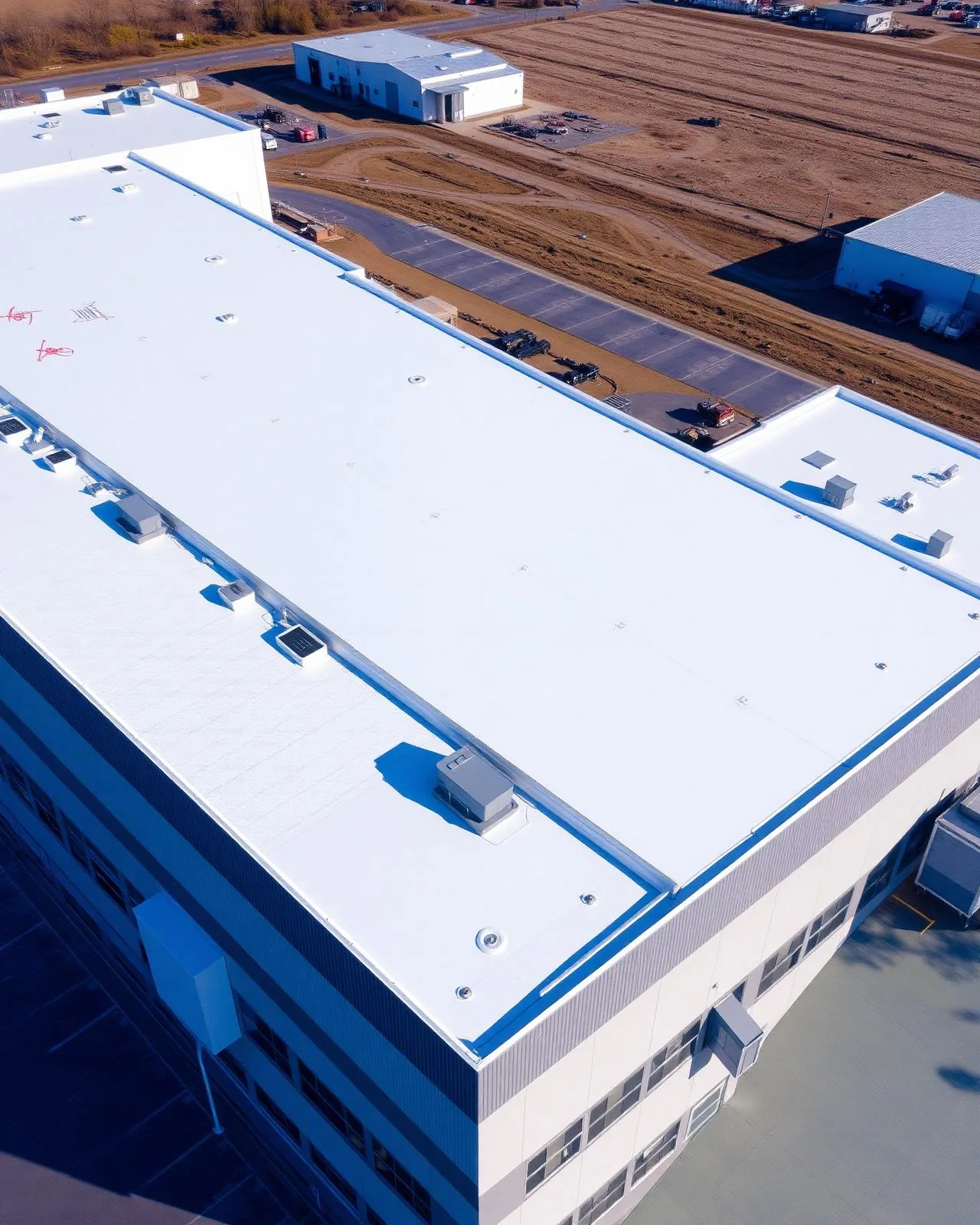
A week of rain can make a small EPDM seam concern difficult to separate from a drain or flashing problem. We start by checking the reported interior area, documenting the roof surface and seam condition, and protecting any active opening. Spring is the Tulsa area’s wettest season, so we allow time to locate the entry and confirm a suitable dry surface before selecting adhesive-based work. EPDM is a flexible rubber membrane, but its seams and transitions still depend on compatible preparation and sound material. An inspection visit records the assembly before we recommend a patch, broader repair, recover, or replacement.
Trace the seam before the patch
EPDM repairs often rely on seam tapes, primers, adhesives, and patches selected for the membrane and detail being treated. We inspect the seam edges, field membrane, flashing corners, penetrations, and prior repairs, then note whether the surrounding sheet remains sound. A patch placed over dirt, moisture, loose material, or an incompatible product can fail at its edge. Surface preparation is therefore part of the scope, not a minor step hidden behind the new material. We photograph the area before work and mark the limits so the completed repair can be checked later.
Where a roof has both old patches and recurring leaks, we compare the repair history with interior observations. A dark mark below a roof does not identify the opening by itself; water can travel along insulation or deck before becoming visible. The evaluation follows likely paths to seams, drains, wall terminations, and equipment bases. A seam failure assessment can distinguish an open joint from an unrelated puncture. If multiple seams need attention, we make a repair map that helps property staff schedule access without treating each symptom as a separate unconnected emergency.
Plan around wet-season exposure
Adhesive-based work needs conditions that allow the membrane and repair materials to be prepared and set as intended. We check the forecast, the roof's moisture condition, and any water that may remain at low points before beginning. During a wet period, temporary protection can be the first task, with permanent repair held until the surface is suitable. A written handoff identifies what has been protected, what remains open, and when the next inspection or installation window is expected. This keeps active leak response separate from permanent correction.
The Tulsa-area record also places large hail and damaging wind most often in spring and early summer. After a regional storm report, we check the roof for punctures, displaced edge details, loose flashing, and other visible changes. Creek Turnpike exits at Aspen, Elm Place, New Orleans Street, and SH-51 connect key parts of Broken Arrow, yet the route to roof access and the staging area must be confirmed at the property. A time-sensitive response can first protect the interior and then establish permanent work from site evidence.
Check transitions as carefully as the field
On EPDM, a repair at a pipe, curb, drain, wall, or edge uses different detailing than a flat field patch. We look for gaps at corners, separated flashing, deteriorated sealant, and movement around mechanical equipment. A detail may require a preformed flashing or a larger prepared area so the transition remains continuous. At a drain, the membrane connection and the path for water matter together. A roof that carries water slowly may have a drainage problem that a new seam patch cannot solve. The report separates those conditions and states which work fits the immediate scope.
For Tulsa, late July through early September frequently brings readings of 100 degrees Fahrenheit or higher, which can affect the work sequence. We plan safe access, material handling, and the inspection hour with those conditions in mind. Heat can affect the crew's exposure and the practical time available for controlled preparation, while sudden storms can close a roof window. If the assembly includes earlier coating or repair materials, we identify them before selecting a new product. An existing coating surface should not be assumed compatible with EPDM work without inspection and product review.
Compare the repair with larger work
When defects are isolated and the EPDM remains sound around them, a defined patch or seam repair may be appropriate. Widespread seam separation, wet insulation, deterioration at many details, or repeat service calls can shift the decision toward a broader evaluation. We check attachment, drainage, deck condition, and moisture evidence before comparing a recover option with replacement. Existing layers and substrate conditions matter; an overlay cannot be chosen from the membrane surface alone. A TPO assembly uses heat-welded seams and different repair techniques, so system identification remains important during portfolio planning.
For capital planning, we can document condition by area, note which repair items are urgent, and identify what requires a follow-up test or opening. That record can help sequence work across a manufacturing, medical, or retail property without implying every roof has the same condition. The building owner can compare immediate protection, repair, and planned replacement against the operating calendar. For a site in the North Rose Business Park area, mixed office, commercial, and light-industrial zoning describes the district's uses, not a specific building's roof. The scope still follows the property we inspect.
Protect the occupied space below
EPDM work may require adhesives, odors, temporary open areas, or material movement that affects people inside. We confirm operating hours, roof entry, lift location, indoor protection, and restricted routes with the facility contact. For a school or medical building, entrances and occupied rooms need clear protection plans; at an industrial site, equipment access and delivery lanes may control setup. A work sequence for an occupied building identifies notice, containment, daily cleanup, and the handoff at the end of each shift.
For work near the Northeastern State University Broken Arrow campus, New Orleans Street (E. 101st) connects across the city and meets the Creek Turnpike near the campus. That local route detail can help orient delivery planning, while site-specific access instructions still come from building management. We confirm whether lifts, carts, or material staging can use the planned route before mobilization. Emergency service is available around the clock, including weekends and holidays, when a roof opening needs immediate attention. Permanent repair timing follows the weather and the material requirements.
Keep the next decision visible
Closeout photographs record seam preparation, completed patches, flashing details, and conditions left outside the repair boundary. The report notes which areas were inspected, which were repaired, and where water or concealed conditions still need observation. A follow-up maintenance visit can review drain performance, seams, and penetrations before the next wet season. For a portfolio that also includes modified bitumen assemblies, each building receives system-specific findings rather than a generic roof label. Schedule an inspection with the leak locations, roof access rules, and operating limits available so the first visit produces a useful repair map and next step.
Commercial Roofing Questions
What makes an EPDM seam repair hold?
The substrate must be sound, clean, dry, and prepared for compatible primer, tape, or patch materials. We inspect the full repair boundary and photograph the completed edge so follow-up checks have a clear location.
Can you find a roof opening from an interior stain?
We use the stain location as one clue, then compare it with roof seams, penetrations, drains, and wall transitions. Water can travel before appearing inside, so observations from both sides guide the repair map.
What happens if rain interrupts the repair?
We protect the exposed area where needed and document what is temporary versus complete. Permanent work resumes when roof conditions and the selected materials allow proper preparation and installation.
How do you decide whether EPDM should be recovered?
We evaluate wet materials, existing layers, attachment, deck condition, drainage, and how much membrane remains sound. The findings show whether to compare recovery with targeted repairs or replacement.
Can an EPDM roof be repaired while our building stays open?
Often the work can be sequenced around operations, but access, odor limits, interior protection, and material handling must be planned with the site contact. We set those constraints before scheduling the visit.