Commercial Roof Seam Failure Repair
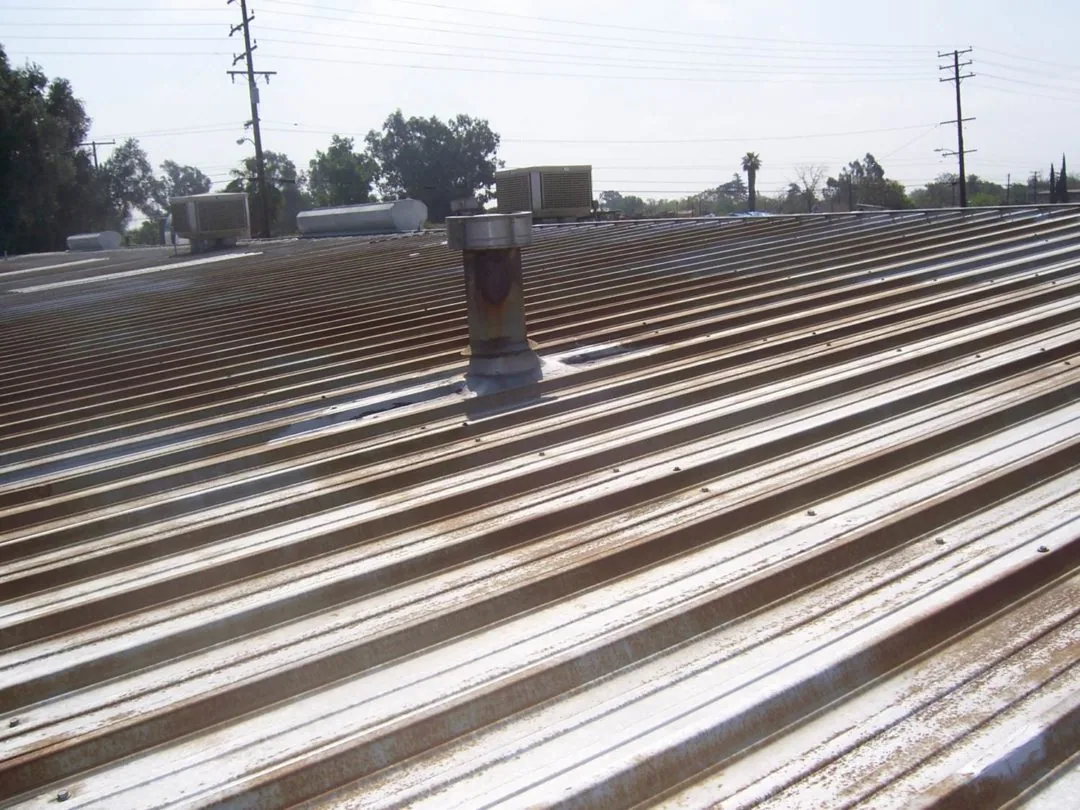
A seam that parts under foot pressure or roof movement can turn a dry assembly into an active leak during the next storm. We mark the split, protect any interior area below, and inspect the adjoining membrane before selecting a repair method. In Broken Arrow, OK, spring thunderstorms bring frequent rain across the Tulsa region, while late-summer heat puts a different demand on safe roof access and material handling. The inspection needs a dry, reachable surface and a clear record of the seam condition. A roof seam inspection identifies the repair boundary and whether the surrounding field also needs review.
Read the split before closing it
We check whether a lap has separated, a weld has failed, or a seam has been stressed by movement or a nearby repair. The length and direction of a split matter, as do nearby fasteners, substrate condition, patches, equipment traffic, and drainage. We photograph the defect with enough surrounding field to show the tie-in area. If the seam cannot be reached safely, the report records the limitation and a route for a return visit. A quick bead over an unidentified gap can hide the condition without restoring a compatible bond.
At Tulsa Tech's Broken Arrow campus, a 53-acre training site beside the Creek Turnpike includes manufacturing and vehicle-service programs. It illustrates the variety of operating buildings in the market, but the campus fact does not tell us what roofing system is installed. We confirm the roof type and actual access rules at the requested property. A Tulsa Tech area visit is scheduled with campus contacts and work zones, while the seam repair itself follows the observed membrane and manufacturer-compatible preparation.
Connect the seam to the interior report
Water from an open lap may travel beneath the surface before it appears on a ceiling. We compare the reported room and timing with roof slopes, curbs, penetrations, drains, and adjacent seams, then mark where evidence supports a repair. If the moisture path is uncertain, a targeted test or opening can clarify whether insulation below the seam is wet. We document accessible conditions separately from hidden layers so the owner can make a decision with the right limits. A leak-tracing visit connects the roof finding to the interior without assuming the nearest split caused every stain.
A split can be one isolated weld or part of a longer condition across a roof zone. We check nearby laps and terminations, but keep those findings distinct from the seam named in the work order. If the edge or wall transition is moving too, a flashing review can identify the adjoining detail and define its own repair line. Photos show which items are confirmed and which need another inspection. That record prevents a small authorized repair from absorbing unrelated deterioration without the owner's direction.
Wait for the seam surface to support repair
Spring is when Tulsa-area rainfall is most frequent, and thunderstorms can shorten the available drying interval. The Tulsa climate profile also records recurring triple-digit heat from late July into early September. We plan seam preparation and closure around the actual surface temperature, moisture, and forecast. If rain arrives before the repair can be completed, the affected area is protected and the site contact receives a clear status. A permanent bond cannot be set on a contaminated or unsuitable surface simply to keep a calendar date.
When a split is allowing water inside, temporary stabilization may be needed before the weather allows a lasting repair. Our dispatch can coordinate urgent response during nights, weekends, and holidays; we record what was secured and when a return visit is needed. The roof is then cleaned and prepared using a method compatible with the installed system. If removal reveals wet insulation or a damaged deck, that condition is photographed and reviewed before the approved seam boundary expands.
Use a repair compatible with the membrane
Repair depends on the roof type and the seam's construction. Thermoplastic membrane may require heat welding after proper preparation; other membranes use different adhesives or cover-strip details. We identify the material and condition before selecting products. A patch needs sound membrane around its perimeter, and a coating cannot restore loose attachment or a wet substrate. The seam repair scope describes preparation, closure, nearby transitions, and whether further moisture testing is included.
If seams repeatedly open across a section, the owner may need an assembly review rather than a series of isolated patches. We inspect attachment, drainage, prior repairs, and existing layers before comparing repair, recover, or replacement. Cost and timing depend on access, moisture removal, material compatibility, how many tie-ins are confirmed, and the weather window. A puncture evaluation covers another type of membrane defect, while a wind-condition inspection can document broader uplift evidence when present.
Record the repaired seam for follow-up
We photograph the completed seam and tie-in, identify the material used, and note any surrounding area not included in the repair. If the inspection found moisture or an adjacent defect, the closeout states what testing or authorization is still needed. That record gives maintenance staff a location to revisit after the next rain and keeps temporary protection distinct from permanent restoration. Where the owner has roof plans, the seam location can be added to the maintenance map for later comparison.
Before heat welding or installing a cover strip, we check whether the existing seam can accept the chosen repair. Dirt, moisture, aged membrane, previous adhesive, or incompatible coating can interrupt a bond. We prepare a test area when the condition calls for one and document the result before continuing across a longer split. At field terminations and corners, the patch must connect to sound material and preserve drainage rather than create a raised edge that traps water. If the seam is moving because the assembly has lost attachment, surface repair alone may not address the condition. We note fastener patterns and visible substrate issues, then recommend a separate opening or review when needed. The closeout includes the repair length, preparation, material, and adjacent details inspected. That record lets the owner compare a later opening with the original defect and decide whether the issue is isolated or part of a broader pattern.
Send the leak location, roof-system information if known, prior repairs, roof plan, access instructions, and timing restrictions when requesting service. We will inspect the seam and surrounding assembly, protect occupied areas, and return a scope with the repair boundary and weather requirements. North Rose Business Park and Tulsa Tech Broken Arrow Campus are local references with distinct operating contexts; the actual property contact controls the access route. A photo condition record preserves the findings for the next roof decision.
Commercial Roofing Questions
Can every split seam be repaired with a cover strip?
No. The installed membrane, surface condition, split location, and substrate determine a compatible repair. We inspect those details and specify the preparation and tie-in before choosing a method.
How can you tell whether the seam caused an interior leak?
We compare the room report with the roof slope, nearby laps, penetrations, drains, and prior repairs. If the water path is unclear, the inspection identifies a targeted test or opening that could resolve it.
What if the membrane around the split is wet?
We document the extent that can be confirmed, protect the opening, and request direction before removing additional material. The permanent scope separates verified repairs from concealed conditions.
Does one open seam mean the roof should be replaced?
Not by itself. We inspect nearby seams, attachment, moisture, drainage, and repair history before comparing a local correction with broader renewal options.
What should I share before a seam inspection?
Provide leak timing, roof plans, system information, past repairs, access rules, and any interior areas needing protection. Those details let us plan the inspection route and a workable dry interval.