Commercial Roof Flashing Failure Repair
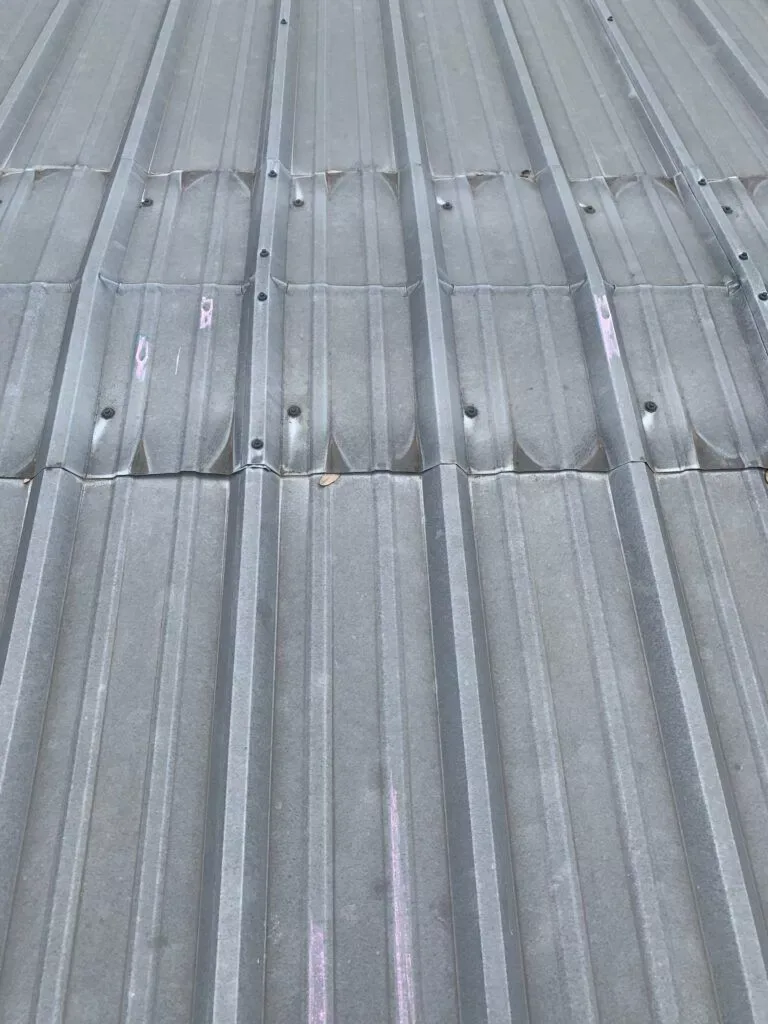
Water at a wall, curb, or pipe often points to a transition where the roof must turn up, terminate, or meet another material. We protect the interior first, then trace the report to the flashing detail before choosing sealant or replacement work. In Broken Arrow, OK, spring is the Tulsa area's wettest season, so a short dry interval can determine whether a repair can be completed during the first visit. Our flashing leak inspection documents the transition, surrounding membrane, and work boundary before a permanent repair begins.
Inspect the transition, not just the bead
We look at the full detail: the vertical surface, termination, counterflashing, membrane turn-up, fasteners, and adjacent roof field. A bead of sealant can split because the underlying flashing moved, aged, or was installed over a surface that no longer holds. We check for separation, open laps, corrosion, loose metal, exposed fasteners, and water marks below. Photos show both the visible gap and the surrounding conditions, so a narrow patch is not proposed before the detail is understood. If access hides a critical edge, the report identifies that limitation.
Ascension St. John Broken Arrow includes a hospital and connected medical office building. Occupied care and office areas call for building-specific access and interior protection. We plan those details with the property contact. A visit near the Ascension campus still follows the building's own hatch, lift, and occupancy requirements.
Follow the water path to the failed edge
Water may travel along a deck or insulation layer before appearing near the wall or equipment below. We compare the interior location with roof seams, curbs, parapets, drains, and penetrations, then mark where the evidence points. If the source cannot be isolated, we describe the next test or opening needed rather than treating the nearest flashing as the cause. A photo condition report places confirmed details and unresolved questions on the same map, keeping the owner from authorizing repairs beyond what the inspection supports.
Wind-driven rain can press water against a vertical transition, while spring downpours can reveal a gap that stayed dry in lighter weather. Tulsa-area thunderstorms are frequent in spring, but an area report is not proof that a particular building has a new opening. We inspect the actual flashing and document what is present, including prior repairs that may affect the next material choice. For a roof with open membrane joints near the wall, a seam inspection may be part of the same visit, with separate boundaries for each correction.
Match the repair to the flashing material
Flashing material and roof system determine surface preparation, lap treatment, and compatible repair products. We identify whether the detail uses membrane, coated fabric, metal, or a liquid-applied flashing, then check the condition of the substrate beneath it. A new sealant bead may hide rather than correct a loose termination. If metal has pulled away, we inspect its attachment and the membrane tie-in. If a coating is proposed, the substrate and existing finish must support adhesion. A penetration flashing repair is limited to the affected penetration unless inspection documents a wider failure.
When flashing connects to a roof edge, wall, curb, or drain, the adjacent assembly can change how water leaves the area. We review the detail in context and note whether water is collecting, whether a counterflashing can be reset, or if removal is required to expose the transition. A puncture or seam split next to the flashing receives its own repair description. The membrane puncture review evaluates a different failure path, while the final scope identifies any tied work that is actually included.
Protect the opening through a weather hold
Spring is the wettest part of the Tulsa year, with recurring showers and thunderstorms. If the transition is exposed during repair, the crew must be able to dry and close the area before the next round of rain. We set a stop point, stage compatible temporary protection, and tell the facility contact what remains open if conditions interrupt the work. Late summer also brings frequent 100-degree readings in the region. Safe access and material handling are planned for the conditions on the roof, not a generic start time.
An active leak can need stabilization outside ordinary business hours. Our response is available overnight, on weekends, and on holidays; we protect the interior and document the temporary boundary before permanent work is scheduled. The closeout distinguishes a secured opening from a completed flashing replacement. If removal reveals wet insulation or a damaged deck, we photograph the finding and return for direction before expanding the repair. A wind-damage inspection can address adjacent perimeter movement when the event affected more than one roof detail.
Close the detail with a location record
After repair, we photograph the finished transition, adjacent roof field, and any materials or fasteners replaced. The record states the work boundary, whether temporary materials were removed, and what could not be verified without opening another area. This gives maintenance staff a reference if a later stain appears nearby. It also keeps the repair scope separate from unrelated wall or mechanical work that may meet the same roof plane. A follow-up check can revisit the exact detail rather than repeat the full inspection.
A flashing repair has to follow the transition, not only the visible bead of sealant. We examine the base flashing, termination, counterflashing, substrate, and adjacent membrane or wall surface. At corners and changes in plane, small splits can connect to a longer water path, so we photograph each side before removal. If metal is loose because the nailer or attachment has failed, new sealant will not restore the connection. We note concealed conditions once exposed and pause if the repair boundary must change. The permanent method depends on the roof assembly and the materials that can bond to it. After work, we check the tie-in and drainage around the repaired detail, then identify any nearby condition left outside the scope. That gives the property team a clear account of what was repaired and what needs separate authorization or testing.
Share the leak location, roof plans, access path, interior protection needs, and any prior repair notes when scheduling. North Rose Business Park includes office, commercial, and light-industrial zoning north of Kenosha Street, a reminder that access and occupancy can differ between nearby Broken Arrow properties. We coordinate the visit for the requested building and return a repair boundary, photo record, and next action. The owner can then decide whether to authorize the correction, request a test, or leave another section for monitoring.
Commercial Roofing Questions
Can another bead of sealant fix a leaking roof transition?
Only if the underlying detail is sound and the surface supports that material. We inspect attachment, laps, substrate, and the adjacent roof field before deciding whether sealant, reset, or replacement is warranted.
How do you know whether flashing or membrane caused the leak?
We compare the interior timing and location with transitions, seams, penetrations, and water paths. If the evidence is not conclusive, the report states what additional access or testing would narrow the source.
Will flashing repair require access inside the building?
Interior observation helps connect the roof detail to the reported water. We coordinate rooms and protection with the site contact, and note any location that was unavailable during the visit.
What if wet insulation is found under the flashing?
We record the exposed layers, protect the area, and return for direction before extending work. The repair scope distinguishes confirmed removal and restoration from additional material that has not been opened.
What information should I send before the inspection?
Provide roof plans, the room or equipment affected, leak timing, prior repairs, access rules, and any limits on staging. Those details help us reach the transition and plan interior safeguards.