Public Agencies
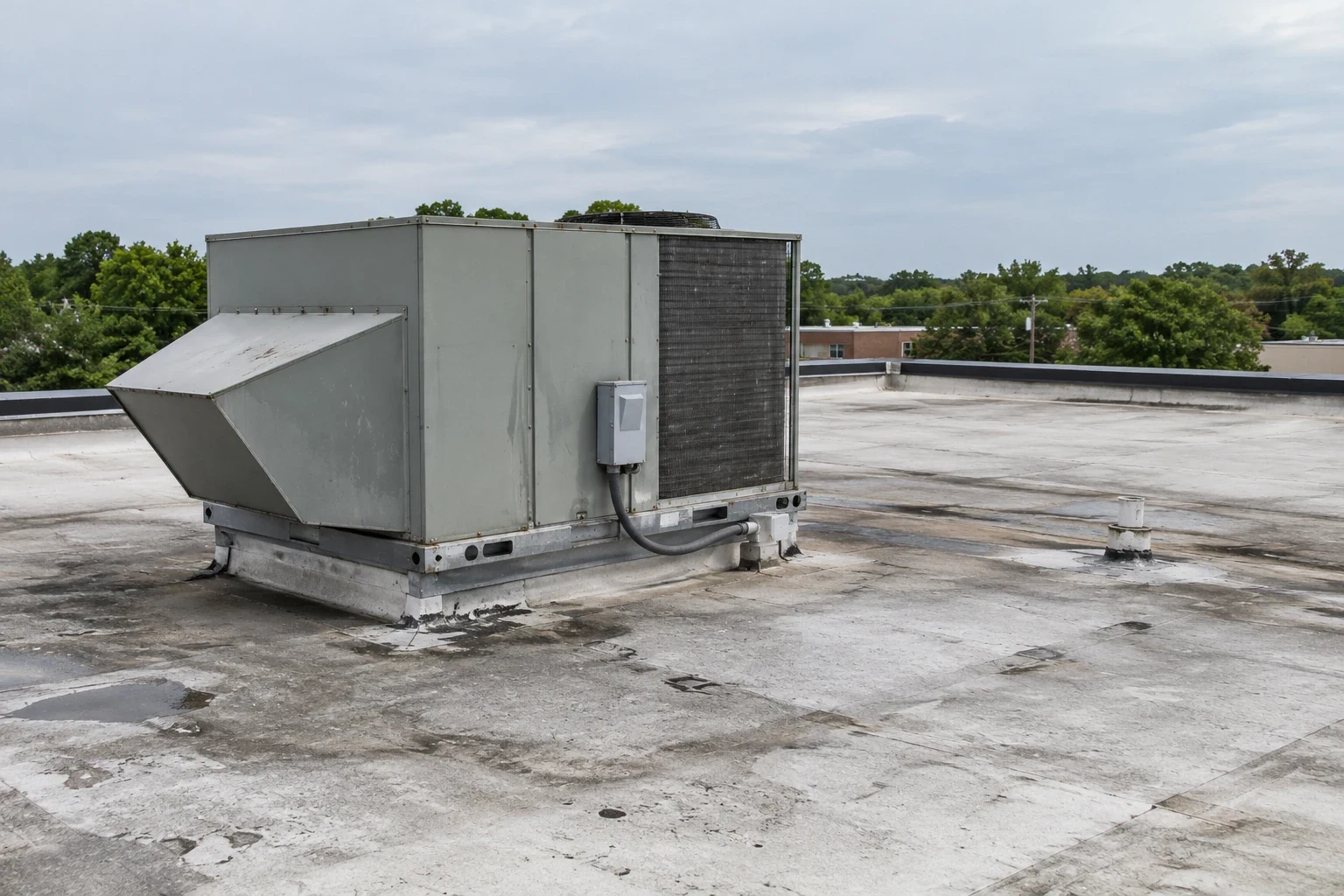
A roof leak above a public counter can disrupt service even when the repair itself is limited. We identify the affected area, protect the interior, and coordinate access so staff and visitors have a clear route while the roof is inspected. In Broken Arrow, OK, the statewide 2024 International Building Code adoption took effect September 14, 2026; city-specific amendment status was not established in the council docket available for review. We confirm the requirements that apply to the project before setting a scope. A public-building roof inspection records observed conditions and gives the agency a clear next decision.
Keep public access functioning
City and agency buildings may have public entrances, staff work areas, meeting rooms, equipment spaces, and secured zones in the same structure. We confirm building hours, staff contacts, visitor routes, access controls, and any department that must remain operational. The staging area and roof route are set so materials and equipment do not block service activity. If work requires an entrance or interior space to be restricted, the agency contact receives that information before mobilization. A school district roof schedule faces similar public-access demands, but every agency sets its own operating and security procedures.
Broken Arrow's Rose District has mixed-use downtown businesses, while Sand Springs' historic downtown includes older commercial buildings used for retail and office activity. Those city settings help orient crews, but the facility contact still sets access rules for a public building. We confirm the actual vehicle entrance, loading route, public hours, roof hatch, and contact responsible for granting access to restricted areas. A service visit near the Rose District is sequenced around the building, not an assumed district-wide schedule.
Document the scope for public review
A public project needs a record that ties each recommended item to a photograph and roof location. We describe whether a condition needs temporary protection, a defined repair, moisture testing, or a larger capital decision. The estimate identifies work limits, materials, access assumptions, and exclusions tied to unknown conditions. If concealed moisture or deck damage becomes visible after opening, we document the finding and return for direction before changing the approved boundary. A photo condition report can support facilities review and create a consistent basis for the next inspection.
Permit and code review should be resolved for the actual scope. Oklahoma's 2024 IBC adoption and amendments took effect statewide on September 14, 2026. A Broken Arrow council docket listed an ordinance to align the city's building-code chapter with 2024 ICC codes and the 2023 NEC, but the record did not establish final action. For a project involving structural changes, reroofing details, or permit submittals, the agency should verify applicable requirements with the authority having jurisdiction. We keep roofing observations separate from design determinations and coordinate requested documents with the project team.
Protect the building through storm periods
Public service continues through the Tulsa region's spring storm season, when showers and thunderstorms are common and hail or damaging wind reports are more frequent. Summer brings a different constraint: the local climate record often reaches 100 degrees or more between late July and early September. We plan inspection access, material preparation, and a safe daily close around the conditions expected at the site. Before work starts, the facilities contact knows which entrance or service area will be affected and what temporary cover remains if a weather stop is called.
A regional warning does not establish an opening on the civic roof. We inspect the requested building, photograph the seams, edges, drains, and penetrations that are accessible, and link any interior report to a roof location when evidence supports it. If active water threatens public records or equipment after hours, our overnight and holiday dispatch can arrange stabilization. The agency receives a written status before the site is released, with permanent correction and any further testing called out. A storm-related repair scope names observed conditions, not assumptions based on the event map.
Set a workable repair or replacement path
Some public roofs need a specific flashing or seam correction; others show recurring leaks, broad moisture, or deteriorated attachment. We identify the system and review substrate, layers, drainage, edges, and penetrations before comparing repair, recover, or replacement. A coating can be considered only when the assembly and details support it. A bounded repair may protect service spaces now, while a renewal assessment addresses broader condition and capital timing. The report keeps those decisions distinct and states what testing is needed before scope is final.
Agency schedules may depend on public meetings, budget cycles, procurement approvals, building occupancy, and the availability of a suitable weather window. We identify the sequence, delivery route, work zone, and handoff required for each phase. Cost and duration can change with wet insulation, deck repair, equipment relocation, access constraints, or changes discovered after opening. Those drivers are stated as assumptions so reviewers can compare scopes on the same basis. A construction coordination record can align the roofing boundary with other trades on a public project.
Leave a closeout record for the agency
Closeout includes photographs, repair locations, materials used, and conditions outside the approved work. We state whether a temporary measure remains and what follow-up, testing, or maintenance should be scheduled. Facilities staff can keep the record with building documentation and use it when reviewing the next budget or service request. If multiple public facilities are managed together, each one receives its own condition map and access notes rather than a general portfolio summary.
Public agencies often manage buildings with different users, funding windows, and access rules. We organize the inspection by facility and roof area, then give the owner a prioritized list of active leaks, exposed details, testing questions, and future renewal needs. Public access and emergency routes are confirmed before setting a perimeter or lift. If a building serves a counter, records function, utility, or community program, the contact helps identify rooms that cannot be disrupted. Budget planning can group similar repairs, but the recommendation remains attached to the roof where the condition was observed. We record the scope authorized, work completed, and any item that still needs design or owner review. For a multi-site program, the summary shows both portfolio urgency and building-level evidence. That supports public budgeting and procurement while avoiding a claim that a single inspection represents every agency facility.
Share building hours, public access needs, procurement instructions, roof plans, leak history, security requirements, and the project contact authorized to approve protection. We will coordinate the inspection route, document conditions, and present a work sequence that accounts for staff and visitor access. The agency receives a practical handoff that distinguishes what was confirmed, what remains temporary, and what decision is required to move the roof project forward.
Commercial Roofing Questions
How do you keep a public building open during roof work?
We agree on public and staff routes, work zones, delivery timing, and any temporary restriction with the agency contact. A phased schedule identifies which areas remain available and what changes before each work period.
Does Broken Arrow have a confirmed local code amendment for reroofing?
The available state record shows 2024 IBC adoption effective September 14, 2026, and a city docket item proposing alignment without recorded final action. The authority having jurisdiction should confirm requirements for the specific project.
Can the inspection report support procurement review?
We provide photos, locations, observed conditions, recommended actions, and work limits. The agency can use that record to compare defined scopes and identify additional testing before authorization.
What happens if weather interrupts a public project?
We secure the work area at the planned stop point, protect the interior, and report which items remain temporary. Permanent repair resumes when the surface and weather window support safe closure.
What should an agency provide before requesting service?
Send building hours, access and security instructions, roof plans, leak reports, procurement steps, and the contact who can authorize temporary measures. These details help establish a practical visit and review path.