Modified Bitumen Roofing
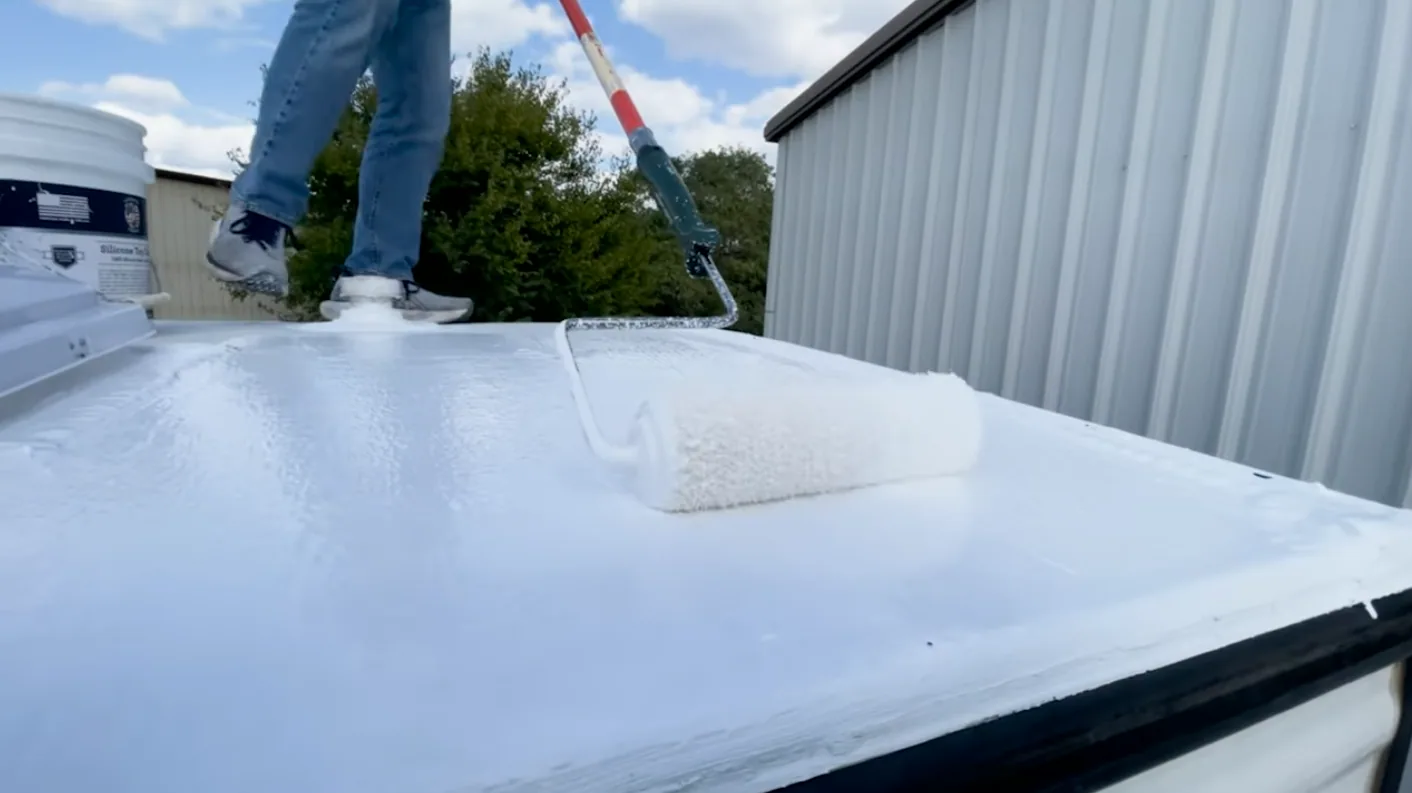
After a long dry spell, the first hard rain can expose a split, open lap, or flashing transition that was difficult to spot from inside. We begin a modified bitumen review by checking the leak location, roof surface, and interior protection needs, then document the assembly before setting a repair boundary. In Broken Arrow, OK, the first sustained spring rain can test lap edges and drainage as the owner weighs a repair window. Modified bitumen uses asphalt sheets reinforced in multiple plies; the exact installation and surfacing affect the repair method. A commercial roof inspection records the conditions before a patch, recover, or replacement is selected.
Read the plies and the laps
Modified bitumen systems use asphalt modified with polymers, commonly SBS or APP, and are reinforced in sheets that form a layered roof. The application method may involve heat, adhesive, or self-adhered materials, depending on the installed system and detail. We identify the assembly, surfacing, and prior repair materials before beginning work. At laps and transitions, we look for openings, ridges, splits, fishmouths, blisters, or loss of adhesion. Around drains, curbs, and parapets, the sheet must transition without creating a weak path for water. The repair scope accounts for adjacent sound material and how each ply meets the detail.
Older notes may simply call a roof “mod bit,” which does not reveal its exact sheet or installation method. We compare documentation with visible layers and site observations, then confirm material compatibility before specifying a repair. SBS and APP describe different modifiers, and their behavior can vary with the product and conditions; the name should not be used as a shortcut to assume performance. If the property also has a built-up roof area, that multi-ply assembly is assessed separately. Photos make the repair boundary and any uncertain layer visible to the owner before work starts.
Trace water through the roof build-up
Water may enter at a lap and travel beneath the surfacing before it appears in a room. We compare the interior report with roof penetrations, edge details, drains, and any low area where water collects. Where moisture is suspected below the surface, a targeted survey or opening may be needed to understand how far the condition extends. We document what was directly observed and what remains concealed, then distinguish immediate protection from permanent repair. A flashing failure review can identify a transition problem that should not be treated as a field-sheet defect.
Weather records for metropolitan Tulsa place the greatest concentration of large hail and damaging-wind reports between spring and early summer. After a storm, we check for visible punctures, displacement, or damage to metal and flashing, without extending those observations to properties that have not been inspected. If rain remains active, we may first secure a temporary dry-in and protect interior equipment or inventory. Permanent torch-applied work, where appropriate to the installed system, requires controlled conditions and fire-safety planning. We confirm the work method, fire watch needs, access, and nearby operations before hot work. If conditions are unsuitable, the repair waits for a safer window.
Match the repair method to the roof
A repair may involve replacing a section of cap sheet, reinforcing a lap, rebuilding a flashing transition, or correcting an edge detail. The choice depends on the existing surface, number of plies, attachment, moisture, and how the failure developed. A coating over a split cannot correct loose or wet layers underneath. We remove or prepare only the area needed for the selected method, then check the finished transition and record the location. If the defect reaches insulation or deck, the scope expands to address that finding instead of concealing it under a surface patch.
Modified bitumen may be installed on occupied buildings where work timing, odor, noise, or heat have to be coordinated. Late July through early September in the Tulsa climate includes frequent readings at or above 100 degrees. We account for safe access, surface conditions, crew exposure, and product requirements when setting the schedule. At an industrial location such as Creek 51 Business Park, the site's position at the Creek Turnpike and Highway 51 can help orient delivery planning, while the property contact provides actual gate and staging directions. An occupied-site plan puts access and protections in sequence.
Compare repair with roof renewal
When a few details fail but the surrounding roof remains sound, a targeted repair can be an appropriate next move. Repeated leaks, broad surface wear, wet materials, or deterioration across many laps can change the decision. We document the affected areas, drainage, deck evidence, and existing layers before comparing repair with a recover evaluation or replacement. A recover requires more than a surface inspection: the existing assembly, concealed moisture, structural capacity, attachment, and current requirements must be considered. The report states what is known, what needs a test or opening, and what changes the cost or timing qualitatively.
Code coordination can affect a larger reroof scope. Oklahoma's 2024 International Building Code adoption took effect statewide in September 2026, while a Broken Arrow council docket proposed a local code update but did not show final action. The owner and design team should confirm current permitting requirements for the building and work. A roof capital plan can organize near-term repairs separately from a future renewal decision, helping avoid a rushed choice during an active leak. If a roof combines multiple systems, a separate EPDM evaluation keeps those assemblies and their repair details distinct.
Close out the repair with evidence
Closeout photographs show the prepared area, new sheet or flashing, laps, edges, and any adjacent condition that was not part of the work. We note whether temporary protection was used, what was completed, and which items remain for a later visit. A maintenance schedule can revisit laps and drains before the next wet season and keep past repairs visible to the facility team. For buildings around the Rose District, Kenosha Street and Washington Street help orient local travel; the property manager sets the actual delivery and roof-access route. We coordinate those details with the building contact. Share operating hours, access restrictions, and leak history when requesting an inspection, and we will set the next roof decision from recorded conditions.
For a multi-ply roof, the inspection record should distinguish the exposed cap sheet from the layers below it. We check whether a blister, split, open lap, or surface loss is isolated, then compare nearby transitions and drainage. A repair detail has to suit the existing reinforcement, surfacing, and attachment; a generic patch can create a new edge without resolving the underlying path. When the assembly is uncertain, we identify what an owner’s records or a test opening must confirm before pricing a larger scope. The closeout should show the prepared area, new material, lap direction, and adjacent details. That gives the next maintenance visit a reference point and helps the owner judge whether water entry has stopped or further investigation remains necessary.
Commercial Roofing Questions
Can modified bitumen be patched over an existing repair?
Only after we inspect the existing material and confirm that the substrate and repair surface can accept a compatible method. Loose, wet, or failing layers must be addressed within a defined boundary.
How do SBS and APP affect the repair plan?
They identify different asphalt modifiers, but the exact product and installation matter. We review the installed assembly and product requirements instead of choosing a repair from the abbreviation alone.
Will a coating fix a split modified bitumen roof?
A coating does not correct loose plies, wet insulation, or a failed flashing. We inspect the assembly first and determine whether a localized repair or broader restoration is supported.
Can torch work happen while tenants are inside?
The work method, fire-safety requirements, ventilation, occupancy, and access need review before scheduling. We coordinate protections and hot-work controls with the site contact, or choose another compatible method where appropriate.
What tells you a modified bitumen roof needs replacement?
Widespread deterioration, repeated failures, concealed moisture, damaged substrate, or extensive repairs can support a broader comparison. We document those conditions and evaluate recover and replacement options against them.