KEE Roofing
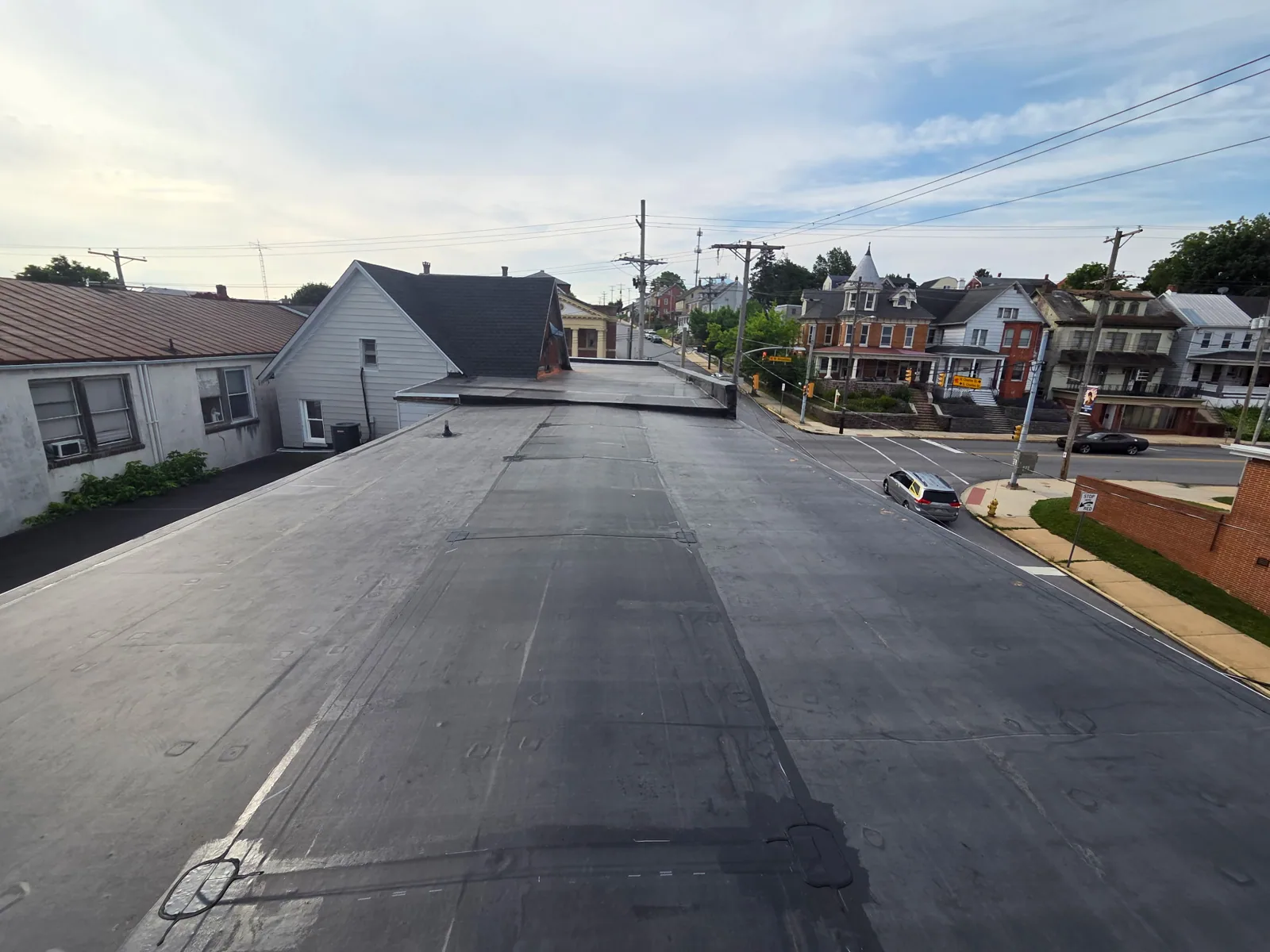
Repeated equipment access can turn a small membrane concern into a larger repair area if footpaths and details are not inspected together. We begin a KEE roof review by confirming the installed sheet, photographing seams and flashings, and checking the interior below reported leaks. In Broken Arrow, OK, manufacturing, healthcare, and campus properties create different roof-access and occupancy constraints, so the first visit maps those alongside the assembly. KEE refers to a PVC-alloy membrane formulation, but a label alone does not establish its current condition or the right repair material. An inspection and condition record ties the next scope to what is actually on the roof.
Identify the membrane before detailing
KEE sheets are heat-welded at seams and detailed at penetrations, walls, drains, and roof edges. We verify the membrane identity and review any available product or maintenance records before selecting a patch. The repair area must be clean, dry, and sound enough for the chosen preparation and welding method. We inspect the full joint, not only the point where a leak appeared, and check for distortion, contamination, prior coating, or a repair that bridges materials with different behavior. Those observations determine whether the work stays at one detail or extends to adjacent sheet.
Material names can be used loosely in older maintenance notes. When the record is incomplete, we photograph a representative field and detail, then confirm what can be identified before defining the repair. KEE and standard PVC are related but are not interchangeable labels for every product or repair instruction. The same discipline applies when comparing PVC membrane work with a TPO seam repair, which uses a thermoplastic sheet but its own system-specific procedure. Confirming the installed assembly prevents a technically neat patch from being made with an unsuitable material.
Read exposure at the details
We check perimeter transitions, curb corners, pipe flashings, drain bowls, pitch pockets, and areas where equipment technicians travel. Repeated traffic may create scuffs or punctures, while rooftop units can make a detail difficult to reach without a lift or temporary access plan. At a seam, the inspection checks adhesion and continuity along the run. At a wall or curb, it checks how the membrane terminates and whether movement or prior work has disturbed the transition. A puncture repair review keeps a footpath injury distinct from a seam opening or flashing failure.
Spring thunderstorms and reports of hail or wind call for a property-level review of KEE flashings, terminations, and exposed sheet. We photograph any visible change, then distinguish observed damage from surrounding surfaces that remain intact. If water appears inside, we compare its location with likely roof paths and drainage conditions. A drainage check may be needed alongside the membrane review when water remains on the surface. The report identifies observed evidence and any concealed condition that would need testing or an opening.
Schedule heat-sensitive roof work
Late-summer heat can affect worker exposure, membrane temperature, and the safe time available for a controlled repair. The Tulsa climate profile records frequent temperatures of at least 100 degrees from late July through early September. We plan the inspection hour, route, shade or rest provisions, and material handling around current conditions. If the work method has temperature limits, those govern the schedule. Spring storms can produce the opposite problem by shortening the dry period available for preparation. A weather window is confirmed before permanent work begins, and temporary protection is recorded if the roof cannot be closed in one visit.
A coating, repair layer, or unknown patch over the original sheet changes the surface that a welder encounters. We document those layers before deciding whether they can stay, should be removed locally, or require a different restoration approach. A coating-restoration assessment can help determine the condition of a coating system, while the KEE repair scope remains tied to compatible materials. Shops at Aspen Creek combines retail, dining, multifamily, and entertainment uses. For roof work in an active commercial setting, we coordinate pedestrian routes and deliveries with the property contact.
Separate maintenance from system renewal
One repairable seam does not set the condition of an entire roof. We map each reported defect, look for repeating failures, assess drainage and attachment, and identify any evidence of wet insulation or damaged deck. Where the surrounding sheet remains sound, a targeted repair may close the immediate issue. Broader seam distress or numerous deteriorated details may justify comparing repairs with a recover evaluation or a replacement plan. Any overlay requires review of the existing layers, substrate, drainage, and applicable code requirements rather than a quick judgment from the surface.
The owner receives a repair boundary, photographs, and a list of conditions that would change the recommendation. We note which items can be addressed during the current visit and which require additional access, testing, or coordination. This helps a property manager set priorities without confusing an urgent leak response with long-term capital work. If the building's operation will not allow daytime access, an occupied-building sequence can set work hours and protection zones before mobilization. The scope should fit the building's actual schedule and the material limitations established during inspection.
Make the maintenance handoff specific
Closeout photos show the prepared membrane, completed weld, flashing transition, and adjacent conditions that remain unchanged. The report notes what materials were installed and where the next inspection should focus. A recurring maintenance visit can recheck drains and traffic routes before small defects reach the interior. For a KEE roof supporting a manufacturing operation, we coordinate the next visit with equipment servicing and access restrictions so a technician's path does not cross a wet repair or active work area.
New Orleans Street (E. 101st) crosses Broken Arrow and connects to the Creek Turnpike near the Northeastern State University campus. Creek 51 Business Park is another local industrial reference point at the Creek Turnpike and Highway 51 junction. Those corridors help plan local delivery routes. We confirm the building's loading entrance, staging footprint, and tenant notices with the site contact. Around-the-clock emergency response is available, including weekends and holidays, when the building needs immediate protection from water entry. For planned work, share access requirements, occupancy windows, and previous repair notes; we will document the KEE condition and return a clear next decision.
Commercial Roofing Questions
How can you tell whether an older membrane is KEE?
We review maintenance records and product information, then inspect and photograph representative field and flashing areas. If identity remains uncertain, we confirm what is supportable before selecting repair materials.
Can standard PVC repair materials be used on KEE?
Compatibility must be confirmed for the specific installed sheet and repair product. We identify the membrane, prepare the surface as required, and avoid treating related formulations as automatically interchangeable.
What details are most important on a KEE roof?
We inspect seams, perimeter terminations, penetrations, drains, curbs, and paths used by service personnel. The roof's actual access and equipment layout determine which details need attention first.
Does a hail report establish a KEE roof claim?
No. We inspect the building for observable impact or other damage and document what the roof shows. Regional weather records guide readiness but do not substitute for site findings.
How will we know if a repair was completed?
The closeout identifies the repair location and method, with photos of the prepared surface, completed weld, and remaining conditions. Any follow-up access or inspection need is recorded in the handoff.