Commercial Roof Coating
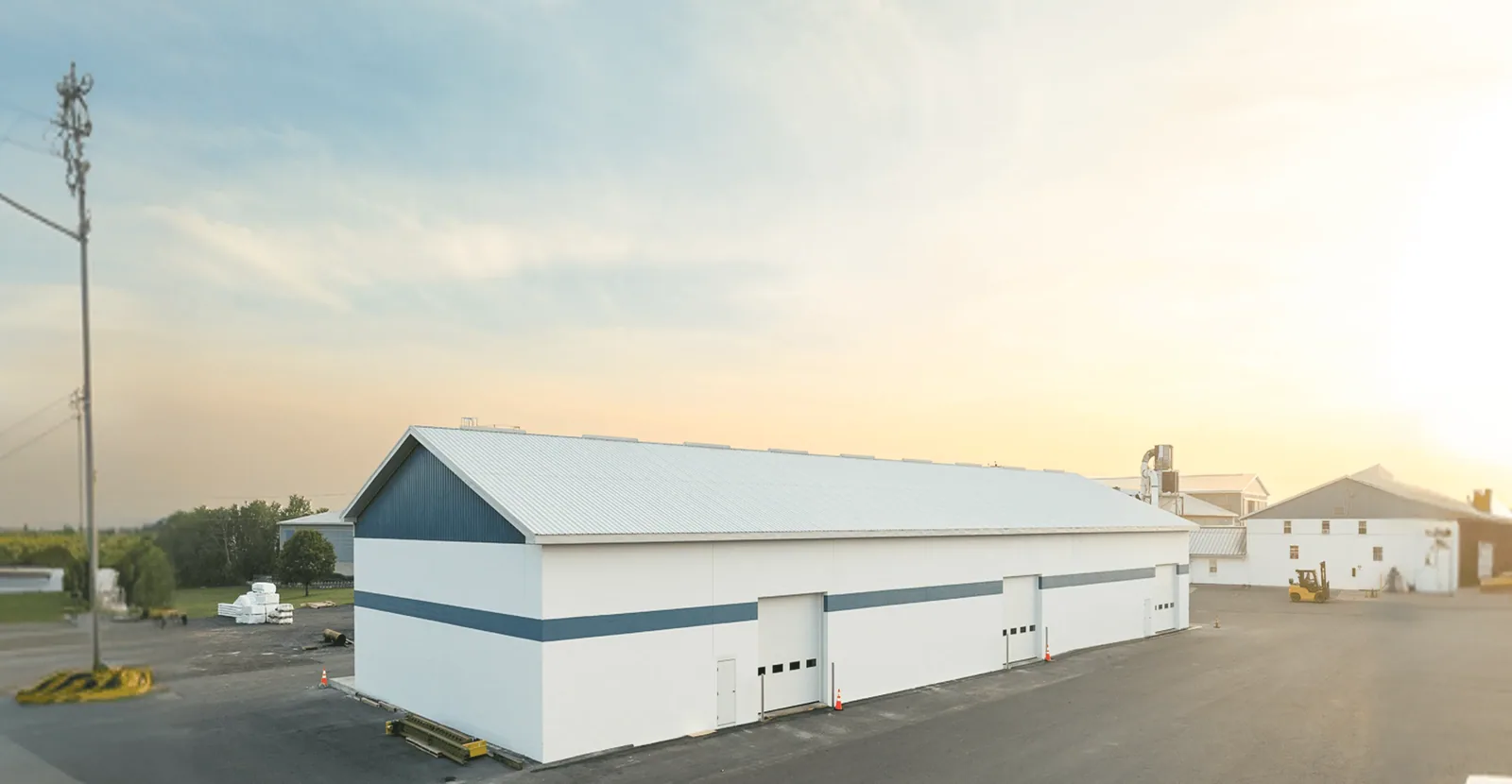
Tulsa-area late-summer readings frequently reach 100 degrees, affecting when a coating can be applied and how the roof must be prepared. In Broken Arrow, OK, spring storms set a separate limit on access and dry time, so we begin by documenting the existing assembly and conditions that change the work sequence. A coating can restore a roof only when the underlying system is sound enough to serve as its base. We inspect membrane or metal, seams, flashings, penetrations, ponding areas, repairs, and moisture indicators before discussing products. The check also confirms whether a coating is compatible with the surface and can meet the project requirements. An inspection record helps define the treatment boundary, while a moisture survey can guide targeted verification where the assembly warrants it. The owner receives a recommendation tied to confirmed conditions, not a coating proposal used to hide unresolved damage.
Confirm the roof can be restored
Before selecting a coating, we check whether the existing surface is dry, stable, cleanable, and properly attached. Saturated insulation, failing seams, damaged deck, loose membrane, or broad deterioration can make restoration unsuitable until those conditions are corrected. We review prior repairs and test areas because incompatible patch materials may affect adhesion. Where necessary, we perform a field adhesion test and document the surface preparation and result before work expands. Coatings have limits: they do not correct structural movement, replace wet insulation, or fix drainage geometry by themselves. If moisture or deterioration exceeds a local boundary, the owner may need a recover evaluation or replacement plan. A written scope states which conditions are included and which would require another decision if uncovered during preparation. That record lets ownership compare restoration with removal based on the roof's actual condition.
Repair details before coating the field
Water entry usually tests seams and transitions before the broad roof surface. We inspect and repair penetrations, parapet and wall flashings, curbs, drains, scuppers, edge metal, and termination points before applying material across a roof field. Loose or contaminated coating is removed where needed, and the base is prepared according to the selected system. A coating applied over a moving seam or failed flashing can reproduce the problem under a new finish. For a silicone coating system, the surface and detail materials must satisfy product requirements; an acrylic system has its own conditions for slope and water exposure. A drainage check confirms whether standing water or a blocked path calls for separate corrective work. At a Tulsa commercial property, roof type and equipment clearances need confirmation during inspection. Alfa Laval operates a heat-exchanger manufacturing facility in Broken Arrow, but that city context does not establish the condition of a Tulsa roof. Creek 51 Business Park is another local industrial context where access and staging would be confirmed at the individual property.
Schedule around surface and air conditions
Application depends on conditions at the roof, not just the forecast on a calendar. Surface temperature, moisture, dew point, wind, and the product's cure requirements shape the installation window. From late July into early September, Tulsa-area readings often reach 100 degrees or higher; we set access and application timing to meet safety and product requirements. Spring rain and thunderstorms create another constraint because the substrate must be ready and the coating needs adequate conditions to cure. We divide the work into areas that can be prepared and protected within the available window, then confirm the surface before applying product. If weather turns, the crew secures materials and leaves a defined work boundary. A coating scope also identifies cure and return-to-service considerations for rooftop equipment, foot traffic, and occupants below. We state the preparation standard, number of passes, target coverage, and inspection points for the selected assembly, then record actual work completed by roof area. These details are set with the facility contact before the application crew is scheduled.
Protect access and building use
Coating work can involve odor, equipment, roof traffic, and restricted access, so the staging plan begins with the people who use the building. We confirm roof hatches, ladders, loading areas, HVAC intake locations, occupied hours, and any areas that need additional protection. NSU's Broken Arrow campus includes multiple buildings and campus offices. We coordinate access for the roof in scope with its campus contact. On a mixed-use property at The Shops at Aspen Creek, retail and entertainment activity can affect lift placement or delivery timing. The facility contact confirms operating hours, intake locations, and delivery restrictions before the work window is set. For an occupied-building work plan, we identify notice points, secure the perimeter, control material movement, and agree when the area can return to normal access. If an urgent leak appears before coating, permanent repair or temporary protection may need to precede restoration.
Record what the coating changed
At completion, we document the prepared substrate, repaired details, coating area, and any portion intentionally excluded. The record includes photographs of the finished surface and transitions, along with observations that should be checked during future service. Seams, penetrations, drains, and rooftop work remain maintenance points after the coating is installed. A maintenance schedule can revisit repair boundaries, drain paths, and areas with regular foot traffic. If the coating scope followed hail or wind damage, the owner can keep claim photographs tied to the observed condition and completed work. The building team receives any use restrictions and a practical check interval for the restored assembly. A final handoff identifies the responsible site contact, where the record is stored, and what changes should prompt an earlier roof visit.
A test area is useful when the roof's existing coating or membrane history is unclear. We select a representative, accessible location, prepare it as proposed, and assess whether the new material bonds and cures under suitable conditions. A successful sample does not waive repairs elsewhere; seams, drains, penetrations, and visibly unstable areas still require their own preparation. We record the test location and result so the owner can compare the approved method with field application. If the sample fails, the scope changes before broad coverage begins, which may mean additional removal or a different restoration path. We also check that drains, overflow points, and roof edges will remain clear after the new coating is applied. The closeout identifies where the system was installed and any areas excluded from the treatment. Those limits matter at the next maintenance visit, particularly where old and new surfaces meet.
Commercial Roofing Questions
How do you decide whether a roof is a coating candidate?
We inspect the surface, attachment, moisture indicators, seams, flashing, drainage, and prior repairs. A suitable coating base must be stable and compatible; wet materials, deck concerns, or widespread failures call for a different scope or additional verification.
Can a coating correct ponding water?
A coating alone does not change roof slope or restore blocked drainage. We map drains and low areas first, then include drainage correction or taper work where the observed condition requires it.
What preparation happens before application?
Preparation can include cleaning, removing unsound material, repairing seams and flashings, protecting equipment, and testing adhesion. The written scope identifies the work area and the criteria for accepting the surface. We record concealed or excluded areas for separate review.
How do Broken Arrow temperatures affect coating work?
Late-summer heat changes roof access and can affect application conditions. We schedule work to meet safe access and product requirements, and we pause if the surface or weather falls outside the workable range for that roof area.
Can the building operate during coating work?
We plan around access, rooftop equipment, air intakes, loading, and occupant schedules. The facility contact helps set restrictions and notices, and the work plan states when treated areas can return to normal use.