Silicone Roof Coatings
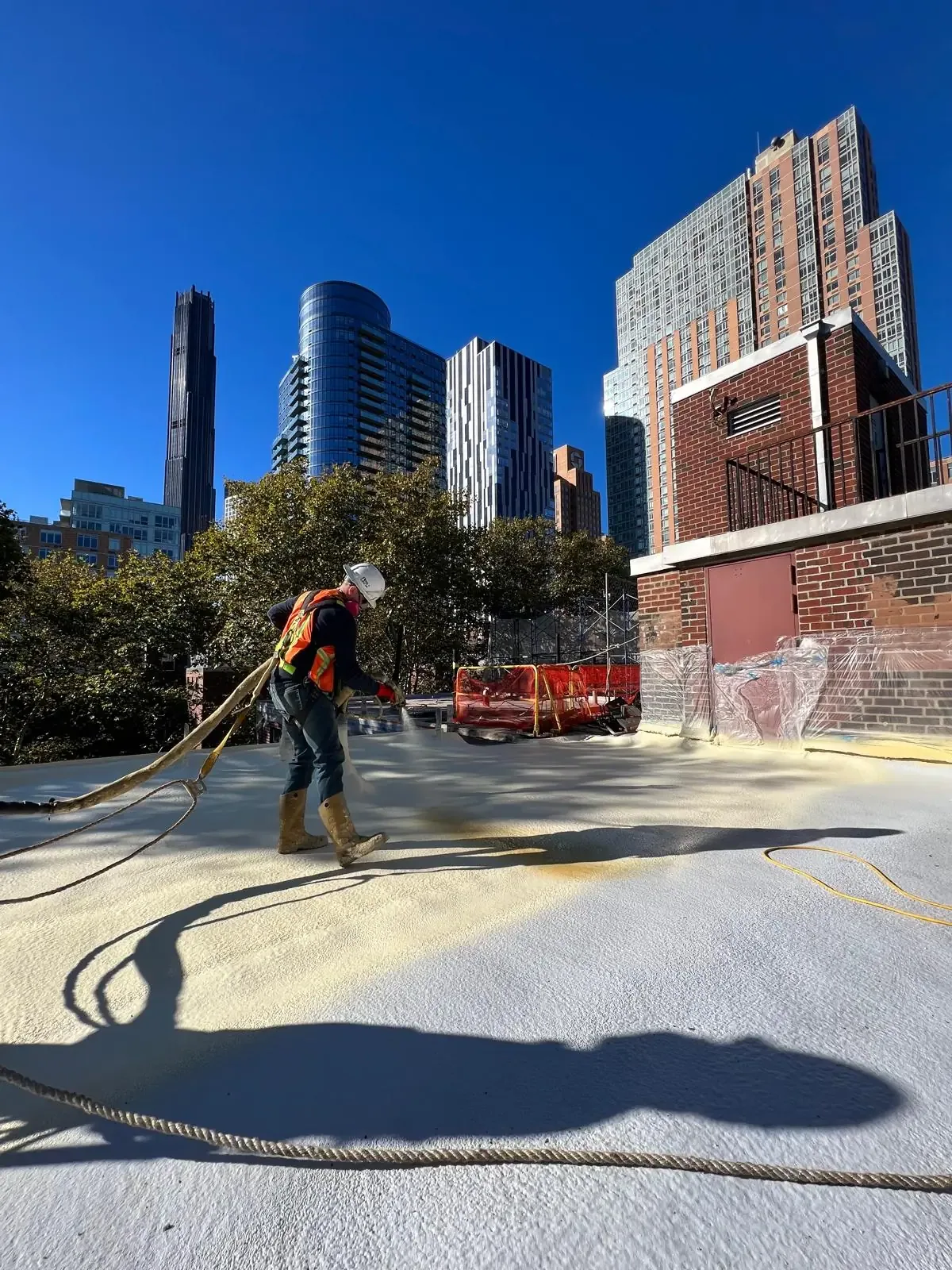
A coating inspection after another season of roof traffic should start with the surface and the conditions underneath it, not a fresh layer of material. We document adhesion, wear, seams, drains, and any area where water remains, then check reported interior leaks. In Broken Arrow, OK, hot late summers and wet spring storms put different demands on roof access and coating windows. Silicone is a liquid-applied coating that can form a continuous surface over a suitable, prepared roof, but it does not make a weak substrate sound. An inspection establishes whether targeted repair, recoat, or a larger roof decision is supported.
Test adhesion before recoating
Coating work depends on a substrate that is clean, dry, and compatible with the selected material. We inspect for loose or chalking coating, blisters, punctures, exposed membrane, dirty areas, and previous patches. An adhesion test can help determine whether new coating will bond to the existing surface. If the test fails or the substrate is wet, we identify what must be removed, repaired, or further assessed before coating proceeds. The preparation boundary should be visible in the proposal, because coating over an unsound area can leave the underlying failure in place.
At seams, flashings, penetrations, and edges, we check whether reinforcement or separate detail work is needed before applying the field coating. A drain or scupper needs an open path, and roof equipment must remain accessible for service. We document existing transitions and the method planned for each. A different coating system may have distinct installation and drainage limits, so the decision follows exposure and roof condition rather than color or a broad claim. If the roof is an SPF assembly, a foam-roof review includes the protective coating and underlying foam together.
Check drainage, not only the coating
Silicone coatings are often considered where standing water is a concern, but they do not correct a blocked drain, a reverse slope, or a damaged substrate. We inspect low areas, drain bowls, scuppers, and flow paths and identify where ponding may be tied to roof geometry. If the coating is sound but the drain is obstructed, clearing the outlet may address the immediate concern. If moisture is present below the surface, coating alone may trap the unresolved condition. A ponding review defines whether the work needs drainage correction, substrate repair, or coating renewal.
Broken Arrow's spring is the wettest season in the Tulsa area, with frequent showers and thunderstorms. That makes dry substrate and a dependable forecast important before liquid application. Late July through early September also brings frequent readings at or above 100 degrees, which affects safe roof access and work timing. We check the coating's application requirements against actual conditions and allow for cure before foot traffic returns. If rain, heat, or wind prevents a controlled application, the work is moved rather than rushed over a damp or unsuitable surface.
Set the scope before the material arrives
A coating proposal should describe cleaning, repair, reinforcement, and coverage areas rather than offer an undifferentiated topcoat. We identify penetrations and perimeter details, map repairs, and specify which parts of the roof will receive new material. If a wet or deteriorated section must be removed, that work is listed separately from coating the sound field. The inspection report includes photos and notes any test result or opening that changed the recommendation. This lets the owner understand which areas receive preparation, which are repaired, and what remains outside the coating boundary.
Creek 51 Business Park spans 85 acres at the Creek Turnpike and Highway 51 junction. Before specifying coating work at an industrial property, we inspect its installed membrane, prior treatments, equipment paths, and delivery access. A restoration assessment can compare coating with repair or replacement, while a drainage scope addresses outlets that need work before application.
Compare recoat with repair or replacement
Recoat is a maintenance or restoration choice only when the roof below it remains suitable. Localized failure may call for an isolated repair and detail reinforcement, while widespread adhesion loss, saturated insulation, or damaged deck can point toward replacement. We check attachment and substrate condition before recommending another layer. A recover evaluation may be part of the comparison if the existing assembly and code requirements permit it. The report states where coating is viable, where repair is needed, and which unresolved conditions call for testing.
Before a larger recover or roof change, the building team confirms current permit requirements for the address and scope. Coating does not waive requirements for drainage, insulation, edge securement, or fire and wind design. A photo condition report gives the owner a record to compare with later inspections and plan capital work in sequence.
Protect the building during application
Liquid coating work needs controls for spray or roller application, odors, air intakes, foot traffic, and materials moving across the roof. We coordinate staging, access, weather stops, and interior protections with the site contact. A phased occupied-building plan identifies which zones can remain open and how the work area will be secured. At a healthcare or manufacturing property, air intakes and process spaces may affect the daily sequence. We confirm whether ventilation adjustments or restricted routes are needed before application.
The 150-acre Shops at Aspen Creek includes retail, apartments, restaurants, and entertainment. Property management identifies a staging location, and we keep customer and delivery routes clear of the coating perimeter. Active water entry can receive a response outside business hours, with temporary protection handled before a future coating window is set. Planned coating is scheduled for a suitable dry period, with time for preparation, application, cure, and safe return to the roof.
Record what the coating covers
Closeout photographs show the prepared substrate, repaired details, coated areas, drain conditions, and any roof section excluded from the application. We note coating product and coverage from the project record and identify where future inspection should focus. A maintenance visit can watch adhesion, wear, drains, and newly repaired penetrations. Near the Northeastern State University Broken Arrow campus, New Orleans Street crosses the city and connects to the Creek Turnpike; that is a useful route reference, while delivery and roof entry still depend on each property. Share prior coating records, access instructions, leak locations, and occupancy limits when requesting an inspection. We will establish a practical preparation plan before coating begins.
Coating work starts with a suitability review, not a coverage promise. We look for loose or incompatible material, failed details, trapped moisture concerns, and areas where ponding persists. Repairs and preparation are listed separately from the coating application so the owner can see which conditions were corrected first. We also note the surface condition and any manufacturer requirements that govern application, cure time, or reinforcement. A project plan should identify drains and walk paths that must stay clear, as well as the areas excluded because they need another repair. At handoff, dated photographs and a marked roof sketch show where the coating was placed and what remains outside its scope. Later inspections can compare wear and adhesion against that baseline.
Commercial Roofing Questions
Can silicone coating go over the roof already in place?
Only after we inspect the existing coating or membrane, check adhesion, and confirm the substrate is dry and compatible. Any wet, loose, or deteriorated areas need to be addressed before application.
Will silicone fix water that remains after rain?
It may tolerate ponding better than some systems, but it does not correct blocked drains or reverse slope. We inspect drainage and the substrate before deciding whether coating is appropriate.
Do seams and penetrations receive separate attention?
Yes. We map transitions, test the existing surface, and determine whether reinforcement or flashing repair is needed before coating the field. The scope identifies those details separately.
How long does coating application need to stay dry?
The coating's installation requirements and weather conditions govern application and cure. We schedule the work around the forecast and keep foot traffic off the surface until it is ready.
When does coating stop being the right option?
Poor adhesion, wet insulation, deteriorated substrate, or widespread failure may require repairs or a replacement comparison. We document those conditions before recommending another coating layer.