Spray Polyurethane Foam Roofing
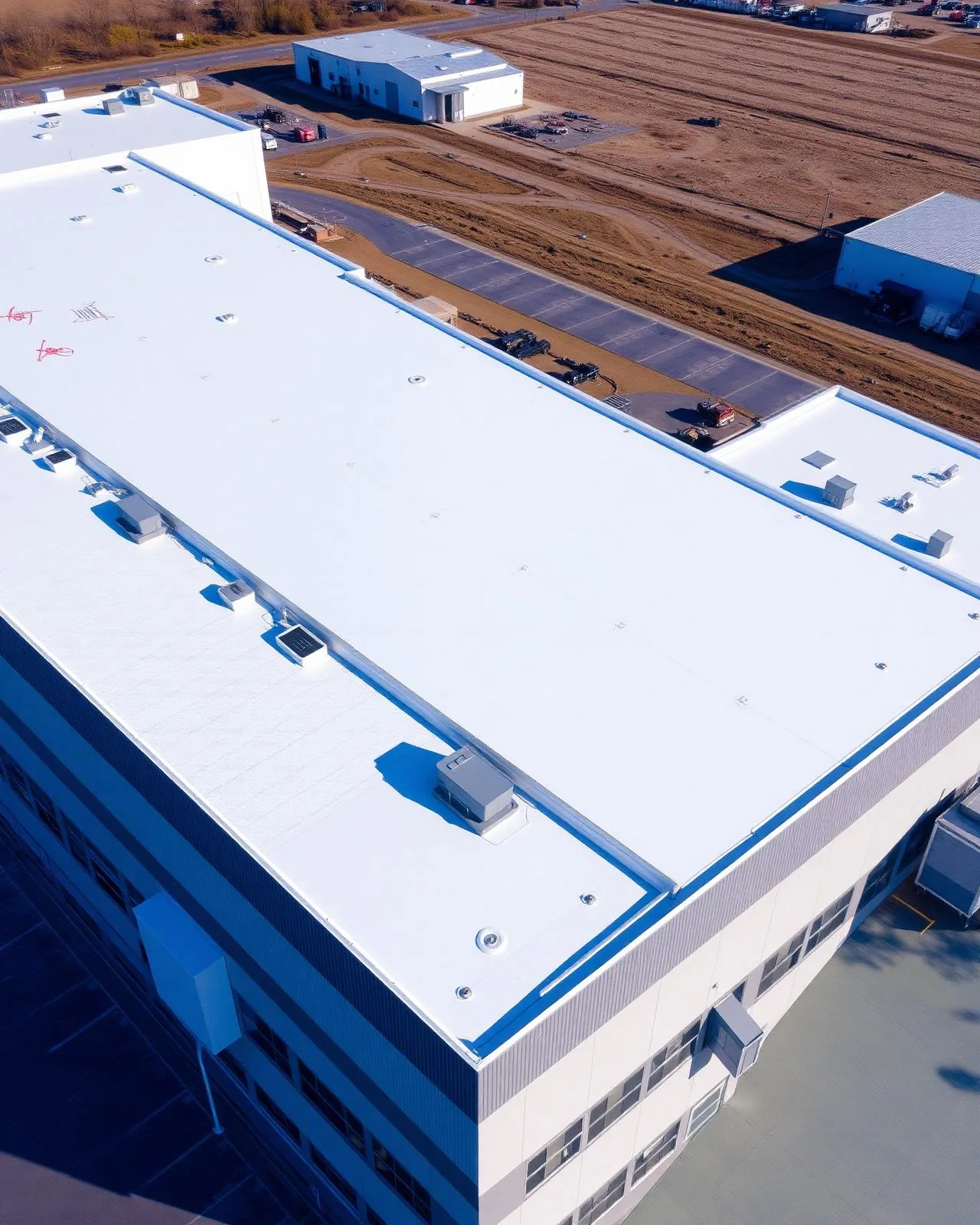
A coating worn thin on an exposed foam roof can leave the underlying surface vulnerable before a leak becomes visible inside. We start by documenting the coating, foam surface, drains, penetrations, and interior reports, then identify any area needing immediate protection. In Broken Arrow, OK, recurring late-summer readings above 100 degrees can narrow the safe workday, while a passing storm may interrupt application with little notice. Spray polyurethane foam, or SPF, forms a continuous insulation and waterproofing layer that needs a protective coating to shield it from sunlight and weather. A roof inspection establishes whether the surface is a candidate for repair, recoating, or more extensive renewal. Creek 51 is marketed as a light-industrial park, while the city's East Industrial Zone is a planned commercial and industrial area with infrastructure needs as development intensifies. Neither designation identifies a roof system, so we confirm the assembly in the field.
Inspect foam, coating, and water paths
SPF is sprayed to create a continuous layer with insulation value and a shaped surface; a protective coating covers the foam and provides the exposed weather surface. We inspect coating thickness and wear, exposed foam, cracks, blisters, impact damage, and transitions at curbs, drains, and edges. Water should follow the intended drainage path. Low points, debris, and ponding can shorten the service interval or expose a coating weakness. Where the underlying foam is soft, wet, or damaged, another coat may not be an adequate repair. We identify what is visible and mark where testing or an opening may be needed.
The coating protects foam from ultraviolet exposure, so thin or missing areas deserve prompt attention. We compare the surface to prior maintenance records and note repairs that may not match the surrounding system. A heat and UV damage review can document weathering on the roof while keeping the findings tied to the building. If a roof was previously coated with silicone or another product, we check adhesion and compatibility before recoating. A silicone coating system has different material behavior and preparation needs; coating over it requires a system-specific plan.
Prepare the substrate before spraying
Foam and coating work begins with a dry, sound substrate. We remove loose coating and debris within the repair area, address wet or damaged foam, and prepare the edges for a continuous tie-in. The foam is applied to a planned thickness and shape, then protected with the specified coating after it cures and is ready. Coverage, temperature, moisture, wind, and spray conditions affect the result. We set exclusion zones around overspray risk and coordinate nearby vehicles, equipment, air intakes, and pedestrian paths before application.
Spring in the Tulsa area brings frequent showers and thunderstorms, with large hail and damaging winds most common in spring and early summer. Rain can prevent spraying or interrupt curing, and wind can carry overspray beyond the intended work zone. We check the forecast and on-site conditions before each application step. If a storm arrives during mobilization, the exposed substrate is protected and the remaining work is rescheduled. We explain which areas are complete, which need another pass, and whether any temporary protection is in place. A coating restoration scope can set the preparation, foam repair, and recoating boundaries before production begins.
Confirm drainage before renewal
SPF can be shaped to direct water, but a coating does not correct a blocked drain or a roof geometry problem by itself. We inspect drains and scuppers, low points, edge conditions, and places where water remains after rainfall. If foam has eroded or become uneven, the water path may have changed. We document the area and compare repair shaping with drain correction before deciding whether a recoating will restore the intended surface. The drain and scupper review can address a separate flow issue rather than asking the coating to compensate for it.
Broken Arrow's industrial and institutional properties can have varied rooftop equipment and access rules. Before SPF application, we confirm active rooftop services, restricted areas, air-intake locations, and any shutdowns with the facility contact. We identify the units that need overspray protection and agree on how ventilation will be managed during the work. This coordination prevents a roofing sequence from interfering with processes inside the building.
Choose a focused repair or full recoat
Small exposed-foam areas or localized coating failures may be repairable if the underlying foam remains dry and sound. Broad coating erosion, wet foam, repeated patch failure, or damaged substrate can require a wider restoration or replacement analysis. We document the limits and compare repair with a recover option or full replacement only when the assembly supports it. SPF has distinct preparation and application steps, so it is not treated like a conventional membrane receiving a generic topcoat. The acrylic coating approach also has different drainage and exposure considerations.
Late-summer heat affects worker exposure and coating conditions. We set work hours to protect the crew and follow the specified product requirements. The available hours may be shorter than a full shift on an exposed surface; the sequence accounts for preparation, foam application, cure, and topcoat. A condition report describes the areas repaired and the remaining surface that should be monitored. That record helps an owner plan maintenance without assuming an unverified service life or savings outcome. Where the roof needs a larger capital decision, we explain which findings change the comparison.
Plan for air intakes and site traffic
SPF spraying calls for deliberate control of overspray, equipment, and building ventilation. We work with the site contact to identify air intakes, vehicles, neighboring surfaces, occupied entrances, and any process that cannot be interrupted. We confirm roof access, hose routes, staging, exclusion zones, and daily cleanup before the crew arrives. At a hospital or manufacturing property, indoor operations may require scheduled shutdowns or monitoring during application. An occupied-building plan sets those protections alongside the production sequence.
The Shops at Aspen Creek includes retail, dining, multifamily, and entertainment uses in a mixed-use development. For any building in a similar active setting, deliveries and pedestrian routes need attention, but actual access limits come from the property manager. We coordinate lift placement, notices, vehicle protection, and the area kept clear of spray. When water threatens an occupied interior, immediate protection can be arranged at any hour, followed by permanent work in a suitable application window. Planned coating work waits for suitable application conditions and a clear site perimeter.
Document coverage and follow-up
Closeout records repaired foam, coating coverage, transitions, drains, and any section that could not be finished because of weather or substrate conditions. Photos show the work limits and details needing a future check. A maintenance visit can inspect exposed foam, coating wear, ponding, and penetrations before deterioration spreads. In the Broken Arrow service area, highway connections help orient a visit, while each property contact sets roof-access rules. Share the leak history, coating records, air-intake locations, roof access instructions, and operating hours. We will inspect the SPF assembly and return a clear repair or renewal path based on the surface observed.
Commercial Roofing Questions
Does the coating protect the foam roof?
The coating serves as the exposed protective surface over the foam. We inspect its coverage and condition, along with the foam beneath, because a new coat cannot correct soft or wet substrate by itself.
Can SPF be applied over a wet roof?
The substrate needs to meet the system's moisture and preparation requirements. We inspect and identify any damp or damaged areas, protect the building, and wait for appropriate conditions before spraying.
Will another coating fix ponding water?
Not by itself. We inspect the drainage path, low points, and foam shape, then determine whether drain corrections or surface repair should come before recoating.
How do you protect air intakes during spraying?
We identify intake locations and nearby occupied or sensitive areas with the facility contact, then plan protection, temporary shutdowns when required, and overspray exclusion zones before mobilization.
When does an SPF roof need more than a patch?
Widespread coating wear, exposed or wet foam, repeated repairs, or damaged substrate can support a broader restoration review. We document those conditions and compare the appropriate options.