Commercial Heat and UV Roof Damage Repair
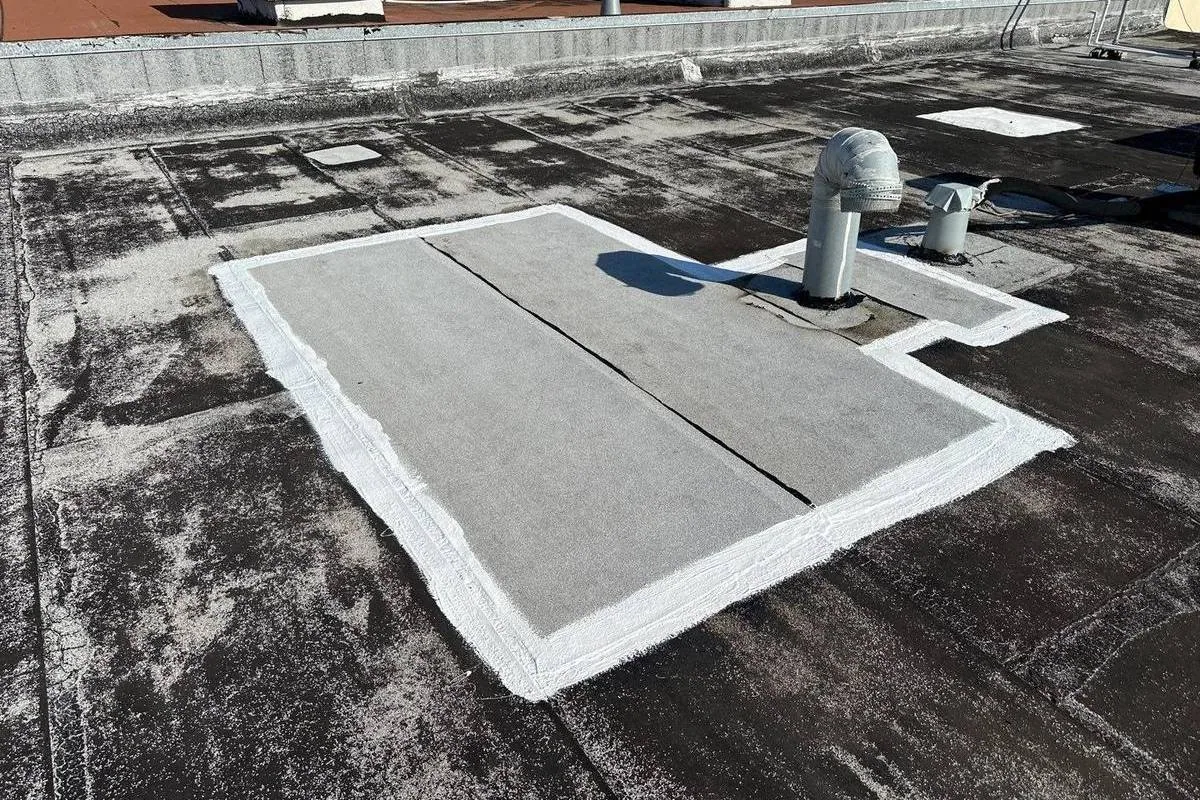
Heat and sunlight wear on a commercial roof usually develop over time, while a leak or surface change may be noticed all at once. The useful question is what has changed, which assembly is affected, and whether water is entering now. In the Tulsa area, temperatures frequently reach 100°F or higher from late July into early September. We plan safe roof access around the heat, then base any damage finding on the material observed at the property. We document visible conditions, compare them with repair history, and separate routine aging from a confirmed opening. A roof condition inspection begins with the system, reported symptoms, and access constraints.
Identify what the roof surface is showing
During an inspection, we look for surface cracking, brittleness, coating wear, loose granules, membrane shrinkage, open laps, weakened flashing, and changes around drains or rooftop equipment. The significance depends on the roof material, age, prior repairs, and the location of the change. A weathered surface alone does not establish that water is passing through the assembly. We record representative areas and any locations where the surface has split, detached, or lost continuity. Where a roof is wet, dirty, unsafe, or blocked by equipment, the report marks the limits instead of treating that area as a completed inspection.
Heat exposure can also differ around exhausts, mechanical equipment, and shaded roof zones. We ask facility staff to identify operating units near the reported area, then compare wear around each detail with the surrounding roof field. We confirm who can authorize rooftop entry, whether equipment must remain running, and where materials can be staged. For facilities in the Tulsa service area, the same property-specific access check applies. Photographs should show the roof detail and enough surrounding area to locate it later. A condition report records those observations alongside the installation or repair information supplied by the owner.
Separate aging from an active leak path
Interior water reports need their own map. We record the room, date, weather around the report, ceiling or wall conditions, and sensitive equipment or contents that need protection. Above those areas, the inspection checks drainage, slopes, seams, penetrations, curbs, and prior repairs. A water mark can be displaced from the roof opening, so we compare its location with drainage paths, seams, and penetrations before assigning a cause. If observations leave the route unclear, the scope identifies an appropriate test or authorized opening. Concealed insulation and deck conditions remain unknown until they are exposed or otherwise verified.
Rainfall tends to peak during spring across the Tulsa area, when showers and thunderstorms recur. A roof that is aging but dry presents a different priority from one with a confirmed opening ahead of a rain window. We identify immediate protection first, then plan permanent repairs around a dry surface and suitable installation conditions. If a seam or flashing has opened, the related seam inspection or flashing assessment can define that specific repair. For active water entry, a commercial leak investigation connects the indoor report to the roof map without presuming the entire roof needs replacement.
Choose materials that fit the existing assembly
Heat-related wear is not repaired with one product across all roof types. We identify whether the roof is a membrane, built-up, modified bitumen, coated, or metal assembly when the available records and observations allow. Then we inspect the substrate, surface condition, adhesion area, seams, edge details, and nearby repairs. A coating may be appropriate in some cases, but only after its compatibility and preparation requirements are checked. A patch over a brittle or contaminated surface can fail to bond, and covering deterioration does not make it disappear. The written scope states the repair boundary and any testing or selective removal needed before installation.
At manufacturing facilities, active ventilation, service access, and process equipment affect staging and protection. We confirm the owner's roof-entry and operating requirements before selecting the work sequence. If heat aging appears in multiple zones, the inspection records how conditions vary instead of extending one localized observation across the roof. A commercial repair scope can then distinguish a localized correction from a larger maintenance or renewal decision.
Schedule work for safe surface and crew conditions
Hot roof surfaces affect worker exposure, material handling, and the timing of some installation steps. We plan the work window around forecast conditions, roof temperature, access, and the product instructions for the selected assembly. When afternoon heat or exposed surface conditions limit safe work, we shift the start, adjust material handling, or choose another visit window. The property contact receives a clear schedule and knows which parts of the roof remain open during each phase.
Creek 51 Business Park occupies the southwest corner of the Creek Turnpike and Highway 51. The site contact confirms the route, roof access, and work window for each building. Tulsa Tech's Broken Arrow campus spans 53 acres beside the Creek Turnpike, with manufacturing, vehicle-service, and health-science programs. At either property, the site contact sets roof-entry and work-hour limits. Drainage and temporary water control also need attention if repairs are delayed. Ponded water, plugged drains, and surface deterioration can interact, but one condition should not be represented as the cause of another without inspection. We document areas that need clearing, note any active water entry, and set a follow-up after the repair if the condition depends on a later weather event. If the roof needs broader investment planning, a replacement evaluation compares verified roof condition and owner priorities with the localized repair plan. That decision is based on scope and observed assembly condition, not climate alone.
Track repairs and changes over the roof's service life
At closeout, the owner receives photos, the inspected areas, repair materials and locations, preparation steps, and any zones left for monitoring or further testing. The record notes whether the repair addressed a leak, a surface defect, an open detail, or a broader section of aged material. It also identifies what could not be confirmed because the inspection did not expose the underlying assembly. A dated baseline gives maintenance staff something concrete to compare at a later visit.
When multiple tenants or facility teams share a building, the handoff names who will watch the reported interior areas and how new water entry should be reported. If the roof surface changes again, the next assessment can compare photographs rather than rely on memory. A maintenance schedule can set inspection intervals and track drain, seam, flashing, and repair conditions. If heat exposure occurs alongside a separate storm event, a hail assessment should document those effects independently. The owner can then choose a measured sequence: monitor, repair a defined area, test an uncertain layer, or plan renewal.
Commercial Roofing Questions
Does summer heat mean the roof needs replacement?
No. Climate informs inspection timing, but the roof material, observed condition, repair history, moisture findings, and owner priorities determine whether a repair or broader evaluation is appropriate.
Can a roof coating correct UV-related wear?
Sometimes a coating is suitable, but compatibility, surface preparation, adhesion, and the condition below the coating must be evaluated first. We define those checks before specifying the repair.
How do you tell heat aging from storm damage?
We compare the pattern and location of surface changes with the event timeline, repair history, seams, edges, and interior reports. The report distinguishes visible evidence from conditions that require testing.
Should an active leak wait for a full roof condition assessment?
Water entry needs a prompt response. We first evaluate safe access and temporary protection, then document the leak path and permanent repair scope once conditions allow.
What records help with a heat and UV inspection?
Provide roof plans, system or product information, prior repair notes, coating records, maintenance history, leak dates, and access restrictions. These records help focus the inspection on relevant assemblies and changes.