Commercial Hail Damage Roof Repair
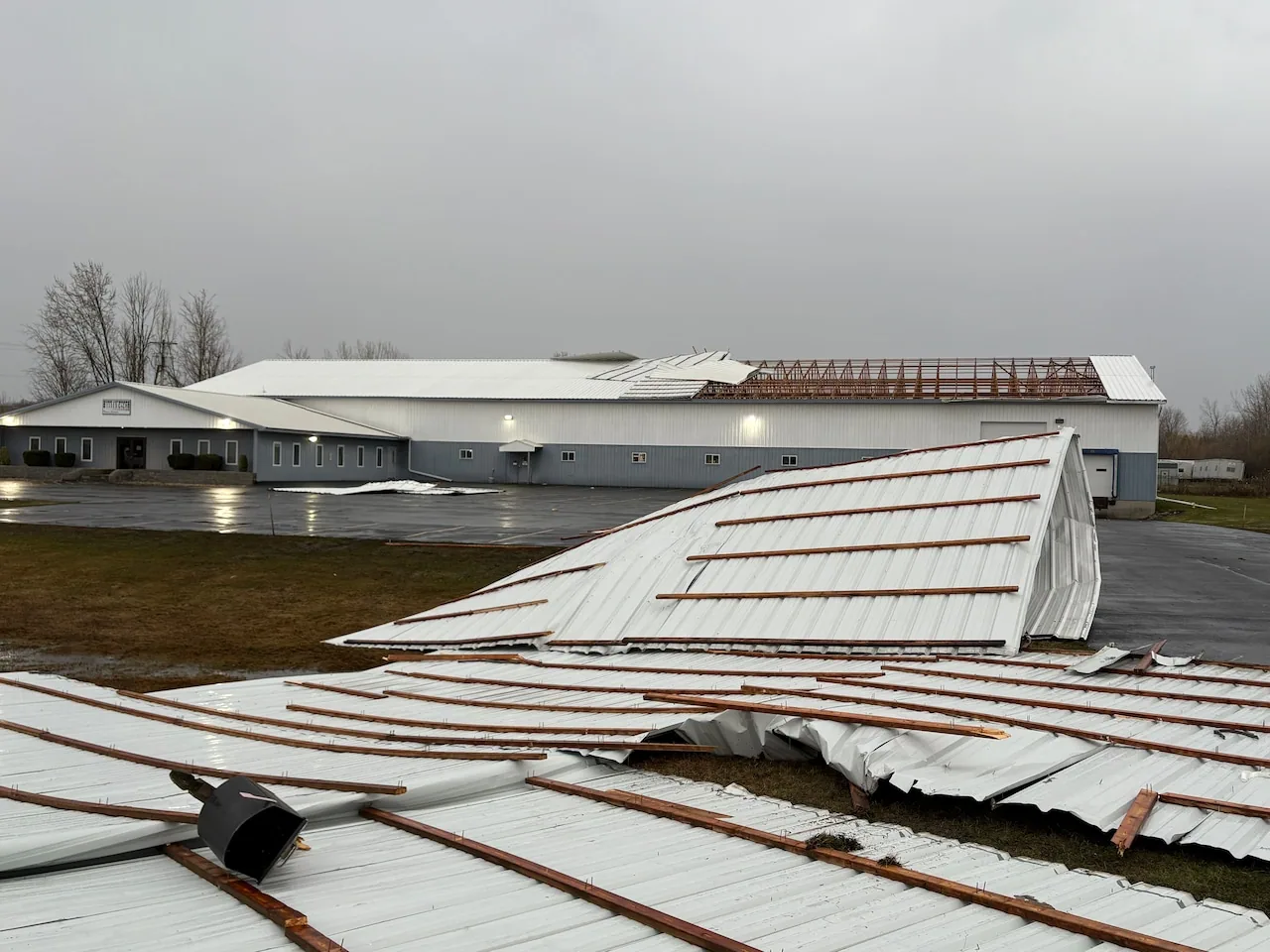
Hail can leave a commercial roof looking intact while damaging exposed equipment, edge metal, membranes, or older repairs. The inspection identifies visible impact, active openings, and roof details that need closer review before a repair boundary is set. In Broken Arrow, OK, North Rose Business Park includes office, commercial, and light-industrial zoning, while Tulsa Tech's campus runs manufacturing, vehicle-service, and health-science programs. We confirm roof access, occupancy, and equipment routes at the building before setting the inspection sequence. We document the roof, identify immediate water-entry risks, and give the owner a repair sequence based on observed conditions. A hail-condition inspection starts with roof type, storm timing, access, and the areas that need protection.
Map impact evidence before setting the repair scope
We begin with a controlled walk of accessible roof areas, checking membrane surfaces, seams, penetrations, drains, edge details, rooftop units, and prior patches. The report distinguishes visible marks from functional damage. A dent in metal trim may need a different response from a puncture, displaced flashing, or a failed seam. On a membrane roof, we look for cuts, fractures, loosened accessories, surface displacement, and conditions around equipment where hail or wind-driven debris may have concentrated. For wet, obstructed, or unsafe areas, we record the access needed and schedule a return before adding them to the repair scope.
Tulsa-area hail and damaging-wind reports peak in spring and early summer. We inspect the assigned roof and document visible impact before setting the repair boundary. We ask for the event date, any available weather or incident record, and the first time water appeared inside. Then we compare that timeline with the roof map and the building contact's observations. North Rose Business Park has planned office, commercial, and light-industrial zoning; we confirm current occupants and access limits with the contact for the specific property. We coordinate entry with the owner and record tenant restrictions instead of assuming the entire building can be entered. A photo condition report makes the observed locations and unresolved areas clear for the next decision.
Trace leaks without assigning cause too early
Interior staining after a hail event is a reason to investigate, not proof that a particular impact opened the roof. After hail, moisture may move through the roof assembly before a ceiling shows a stain. We record each reported room, ceiling condition, equipment concern, and date, then compare those points with drains, slopes, seams, penetrations, and suspected impact areas above. Where the path is uncertain, the scope calls for a targeted test or an authorized opening. Concealed insulation and deck conditions stay classified as unknown until they can be checked.
If water is entering now, we identify the opening and the safest available temporary measure before permanent work is scheduled. Spring is the wettest part of the Tulsa-area year and brings frequent showers and thunderstorms, so an exposed repair area needs a practical closeout before the next rain window. The crew records what was covered, which interior spaces remain at risk, and when a return visit is needed. For a confirmed leak path, a commercial leak investigation can connect interior reports to roof observations. If the storm also exposed a split lap, a seam failure review can define that repair by its own location and condition.
Match repair materials to the installed roof
A lasting repair depends on the existing assembly, not a generic hail patch. We identify the membrane or metal system when possible, check the surface condition, and inspect the available tie-in area. Wet, contaminated, or heat-affected material may require additional preparation or removal. The scope describes repair boundaries, compatible materials, substrate checks, and any manufacturer or owner information needed before work starts. If the roof has multiple repair generations, we record each visible layer and avoid assuming that a new cover detail will bond to an unknown coating or aged membrane.
Equipment and operations also affect sequencing. Tulsa Tech's 53-acre Broken Arrow campus sits beside the Creek Turnpike and includes manufacturing and vehicle-service programs. We coordinate roof access around vehicle routes, equipment, and training hours with the contact for the building in scope. For a hail event that affects perimeter details, a wind and edge inspection can document displacement separately. A broader roof repair scope may combine verified hail-related repairs with other independently documented conditions.
Sequence the work around occupancy and weather
Before mobilization, we confirm roof access, fall-protection requirements, equipment clearances, staging space, interior protection needs, and the facility's work-hour limits. Production schedules, classroom hours, customer traffic, and medical services can affect the work sequence. We confirm occupied hours, staging, and interior protection with the property contact before setting roof zones. The plan identifies which areas need temporary coverage, what must remain operational, and who can authorize a change if concealed damage appears after opening the roof.
Creek 51 is an 85-acre light-industrial park at the southwest corner of the Creek Turnpike and SH-51. The facility contact sets gate instructions, staging, and roof access before our crew arrives. Weather affects inspection, surface preparation, and repair cure time. Late July through the first part of September frequently brings 100-degree-plus afternoons in Tulsa. Hot roof surfaces can change safe work timing and how materials are handled, while rain can interrupt an open repair. We select a workable interval, keep a contingency for a short weather delay, and state whether a temporary measure is needed before final repairs. If the assessment points beyond localized work, a replacement assessment compares the verified repair area with broader roof condition and owner priorities. We can organize roof photographs and scope for the owner's claim file; policy decisions remain with the insurer.
Leave the owner with a decision-ready record
After inspection, the owner receives a roof map, dated photographs, the storm and leak timeline supplied by the property team, and a list of conditions that were verified, suspected, or inaccessible. The repair scope states what will be opened, how the repair will connect to sound material, which temporary measures are in place, and what needs approval before concealed layers are removed. The map, photographs, and scope give facilities and restoration teams the same repair boundary, distinguishing surface marks from conditions that require additional testing.
We prepare photographs, roofing observations, and a repair estimate for insurer review; the insurer determines policy coverage. If the hail response involves multiple affected roof zones, each one gets a defined location and follow-up status. A roofing claim record can organize the evidence and scope. For a campus property near Tulsa Tech's Broken Arrow campus, coordinate roof entry around vehicle routes and training hours with the facility contact. The next action is then concrete: protect, test, repair, monitor, or evaluate broader renewal.
Commercial Roofing Questions
Does hail always leave obvious damage on a commercial roof?
No. Some effects are visible at equipment, metal edges, or membrane surfaces, while other concerns require closer inspection. We record observable conditions and do not infer hidden damage from the event alone.
Can an interior leak be attributed to hail from a roof inspection?
Sometimes the roof and interior evidence align, but water may travel before it appears below. We compare reported rooms with slopes, seams, penetrations, and impact locations, then identify any test or opening needed to confirm the path.
How quickly should temporary protection be installed?
If an opening is admitting water, we assess safe access and the next weather window promptly. The response documents the area covered, remaining exposure, and whether another visit is needed before permanent repair.
Will the repair be the same for every roofing system?
No. The installed membrane or metal, surface condition, tie-in space, and substrate findings determine a compatible approach. The scope identifies preparation and boundaries before materials are selected.
What information helps prepare for a hail inspection?
Share the storm date, roof plans or system information, leak locations, photos, access rules, previous repairs, and any temporary cover already installed. Those details help set an efficient and safe route.