Built-Up Roofing
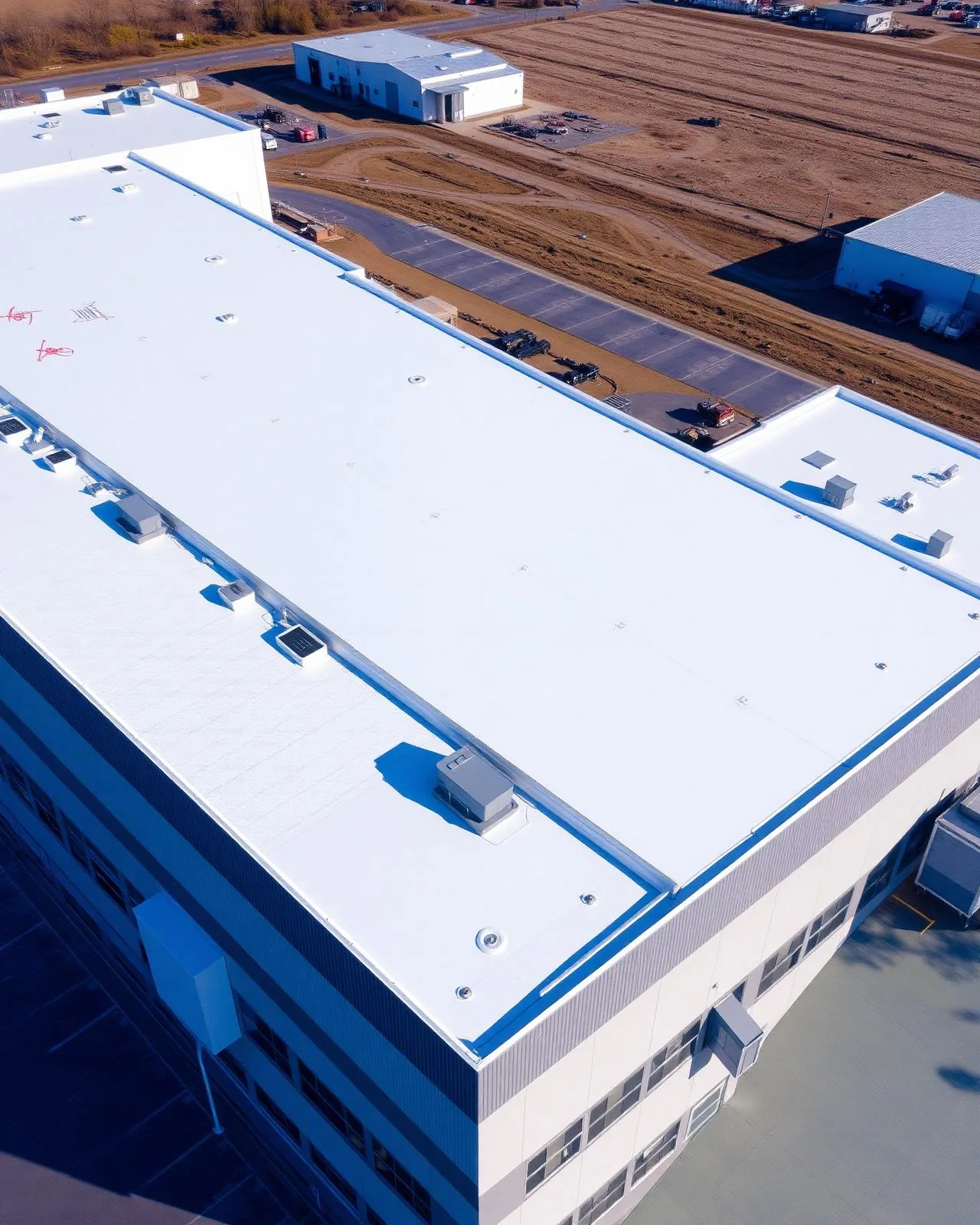
A shallow drain can leave water on a built-up roof after rain clears, delaying inspection and obscuring where a leak began. We first check safe access, confirm interior reports, and document the roof surface, drainage paths, and visible layers. In Broken Arrow, OK, repeated spring showers can keep BUR surfacing wet, so the crew checks drainage and safe roof access before setting permanent work. Built-up roofing, or BUR, uses alternating asphalt and reinforcing felt plies, often with a protective surfacing. The actual number, condition, and weight of existing layers guide what can be repaired or renewed. A roof inspection establishes that baseline before scope is set.
Understand the layered assembly
BUR creates redundancy through multiple reinforcing plies set in asphalt. The top surface may include gravel, mineral surfacing, or another protective layer, depending on the system. We inspect blisters, ridges, splits, exposed reinforcing, displaced aggregate, and repairs that have lost adhesion. At curbs, drains, parapets, and penetrations, the plies must turn and terminate without leaving a path for water. A surface crack does not reveal the condition of every layer below it, so we document visible signs and note when a test cut or other investigation would be needed before permanent work.
Existing roof weight and deck capacity matter when comparing recovery or replacement. Gravel and accumulated layers can add load, while hidden wet insulation may make a recover unsuitable. We identify what is visible, review available records, and avoid treating a new cap sheet as a cure for a wet or unstable assembly. If a property includes modified bitumen, the sheet system is evaluated separately from the multi-ply BUR field. Similarly, a drainage review can clarify whether slow water removal is contributing to repeated surface wear. The written scope distinguishes roof layers, drain corrections, and concealed conditions.
Trace moisture and drainage together
Water that remains at a low point can stress seams, surfacing, and repairs, but ponding alone does not reveal the cause. We check drain bowls, scuppers, slopes, debris, and the path water follows across the roof. We compare those observations with interior leak locations and recent maintenance records. Where moisture may be below the surfacing, we identify whether infrared survey or a test opening is appropriate. An assessment of ponding areas can separate a drainage correction from a membrane or ply failure.
Strong storms can bring hail and damaging winds across the Tulsa area, particularly in spring and early summer. After reported weather, we inspect the actual property for displaced metal, punctures, flashing changes, and interior entry. A regional event is a reason to look, not proof of damage at a specific address. If a leak is active, we can protect contents below and apply temporary measures before weather allows permanent BUR work. Some repairs require controlled heat or hot asphalt; we plan equipment, fire-safety precautions, staging, and exclusion zones before those methods are used. If site conditions do not support that work, the material method and schedule are adjusted.
Set the repair boundary
A localized repair may work when the surrounding layers remain sound and the failure is confined to a defined area. Depending on the surface and construction, the repair may rebuild plies, reinforce a transition, replace a section of cap sheet, or correct flashing. We prepare the substrate to accept the selected materials and close the repair with compatible surfacing where required. If the defect extends below the top layers, the scope must include the affected assembly rather than cover it. Photographs show the opened area, replaced layers, and final surface so later maintenance can identify exactly what changed.
Broken Arrow's late summer brings frequent readings at or above 100 degrees. Heat exposure can affect safe roof access, hot-work duration, and handling of asphalt materials. We choose work hours and staging with the forecast and roof conditions in mind. Near Creek 51 Business Park, the Creek Turnpike and Highway 51 junction serves industrial use, but delivery and gate procedures vary by property. A local route reference does not replace site instructions. We confirm access and material placement before mobilization, including whether equipment can reach the work area without crossing sensitive operations or occupied routes.
Evaluate recovery before loading another layer
Recovering a BUR system is not simply a way to avoid removal. The existing assembly must be checked for moisture, layer count, attachment, deck condition, drainage, and structural capacity. A recover evaluation records those findings and confirms whether the proposed system can be installed over what is there. Widespread wet material, damaged deck, unstable surfacing, or incompatible layers may shift the recommendation toward tear-off and replacement. We compare practical alternatives and identify what still needs testing, rather than forcing an overlay onto an unknown roof.
Permit review stays in the project checklist, and the owner and design team confirm local requirements before finalizing a renewal scope. A roof replacement may also require revised insulation, drainage, edge, or attachment details. A capital planning record can put urgent repairs and a future replacement in sequence. If the building includes several assemblies, inspect each separately; an EPDM roof does not share BUR's surfacing and repair build-up.
Sequence work around the building
BUR work may involve hot materials, gravel movement, noise, and equipment that affects access below. We coordinate the staging area, loading, lift location, tenant notices, protection of entries, and hours when operations can continue. A phased occupied-building plan records which roof areas can be isolated and which routes must remain open. For a hospital or manufacturing property, the site contact identifies sensitive rooms, process access, and emergency circulation. We secure the work zone and confirm the daily handoff before materials are placed.
The Rose District is a mixed-use historic downtown center served north and south by Kenosha Street and Washington Street. That combination of uses makes property-specific access planning important, but does not tell us the construction of any individual roof. We confirm the building's delivery route and pedestrian activity with management. Spring storms may shorten the shift or require an early temporary closeout; heat can change safe work hours later in the season. Emergency protection is available around the clock, weekends and holidays included, while permanent hot work waits until the site and weather support a controlled installation.
Leave a clear record of the plies
The closeout records the observed assembly, repair location, materials used, photos of the completed detail, and any remaining condition outside the approved scope. If surfacing was lifted to inspect concealed layers, the record explains what was visible and what remains unverified. A maintenance visit can revisit drains, flashings, repaired plies, and areas of slow drainage before the next wet season. For a multi-building property near the Rose District, we keep each BUR inspection and repair record tied to its building. Share roof records, leak reports, operating limits, and access procedures when scheduling. We will inspect the BUR assembly and identify which decision belongs now and which can be planned for a later capital window.
Commercial Roofing Questions
How do you know how many BUR plies are sound?
We inspect visible conditions and review records, then identify when a test opening is needed to see concealed layers. The report separates direct observations from conditions that remain below the surface.
Can gravel be placed back after a BUR repair?
The repair detail and specified surfacing determine the closeout. We document any displaced aggregate, prepare the repair area, and restore the appropriate protective surface as part of the agreed scope.
Does standing water mean the built-up roof has failed?
Not by itself. We review drainage, the surface, and interior reports together, then determine whether the issue is a slow drain, a damaged ply, or another condition that needs testing.
Can a BUR roof be recovered instead of torn off?
Possibly, after checking existing layers, moisture, attachment, deck, drainage, and capacity. Those findings determine whether an overlay is appropriate or removal should be compared.
How are hot-work risks handled on an occupied site?
We coordinate the method, fire precautions, equipment, work area, and tenant protections with the facility contact. If weather or site conditions do not support controlled work, we protect the roof and reschedule permanent installation.