Commercial Roof Maintenance
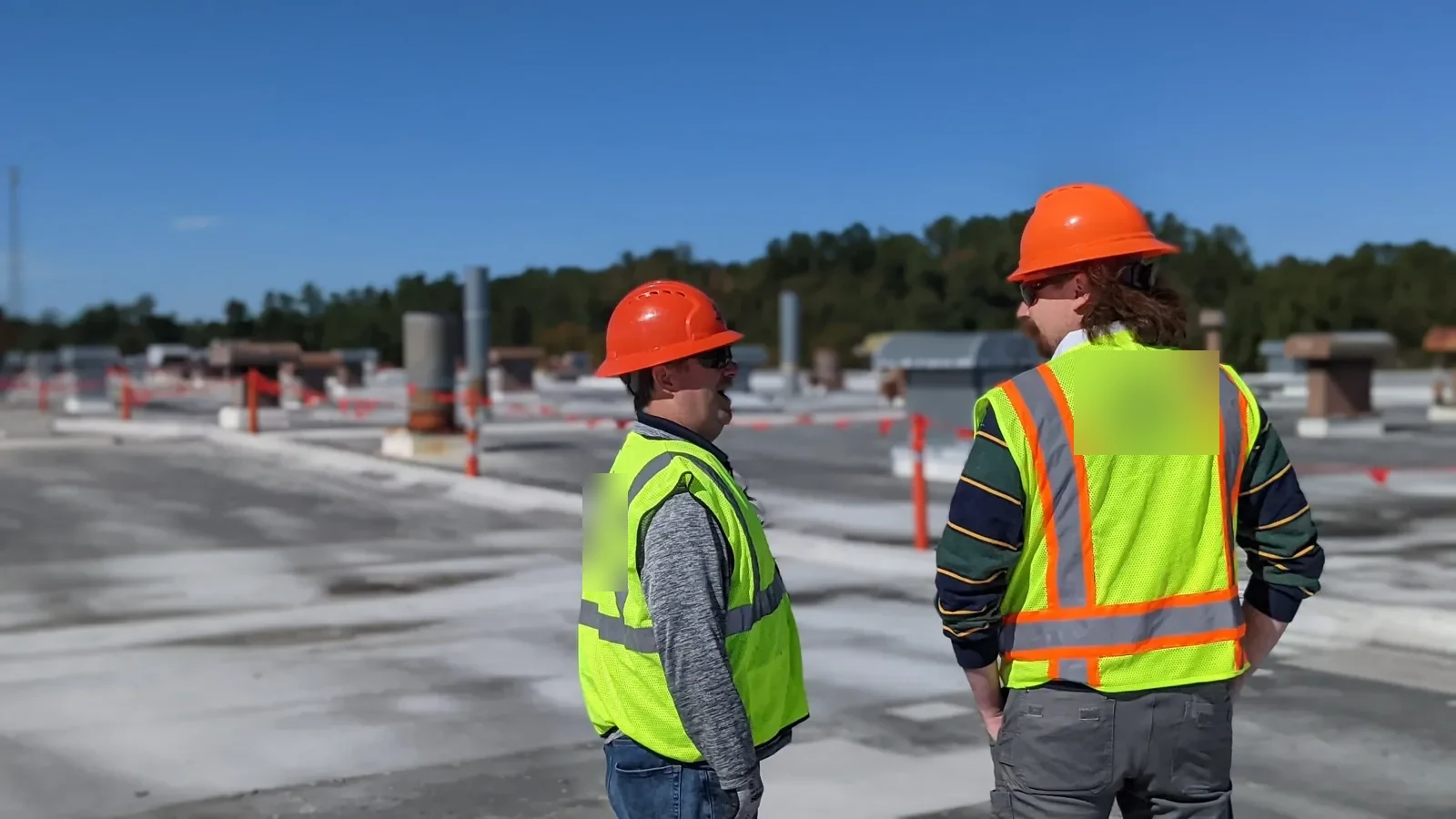
Before spring thunderstorms arrive, a maintenance visit can find a loose edge, clogged drain, or open flashing while the roof is still safe to service. In Broken Arrow, OK, spring brings the area's most frequent rain, hail, and damaging wind reports, so the first visit documents current roof conditions and identifies protection or repairs that should precede the next weather window. We inspect seams, penetrations, curbs, perimeter metal, gutters, drains, scuppers, and prior repair areas, then note interior reports that could point to water entry. The schedule considers building access, occupied hours, roof traffic, and equipment clearances. A property along the Creek Turnpike may have a different delivery route or shift schedule from a storefront near the Rose District, and those details affect how the work is staged. The baseline can include a hands-on inspection and a photo condition record that lets the facilities team track each next action.
Set intervals that fit the roof
Maintenance frequency should reflect the roof system, drainage, exposure, equipment traffic, repair history, and consequences of a leak. We begin by recording the assembly and its accessible details, then agree on a practical inspection cadence with the owner. A roof with active leak history or complex equipment may need closer attention than a stable field with few interruptions. The plan identifies who provides access, whether an escort is required, how occupants are notified, and where tools or debris can be staged. A visit after severe weather is separate from routine maintenance because storm damage may require a faster assessment. We do not treat a fixed calendar as a substitute for inspecting actual conditions. With a written schedule, managers can coordinate roof access before weather shifts, budget repair work in priority order, and hand unresolved items to the person responsible for the next decision.
Check the details that admit water
Water entry often begins where the roof changes direction or a component passes through it. We inspect seams, laps, wall flashings, curbs, skylights, pipe penetrations, fasteners, edge metal, and sealant joints for movement, gaps, wear, or incompatible patches. Findings are marked by location, with photographs that show both the detail and nearby roof area. Drains and scuppers are cleared of accessible debris, then checked for visible damage, blocked flow, or changes that could hold water. If a defect needs work beyond routine service, a defined repair scope separates it from the inspection record. For an industrial property in the Washington Street corridor, we confirm the installed roof, equipment, and access with the site contact before setting maintenance procedures.
Keep drainage paths visible
Debris at a drain can slow discharge, while a poorly shaped transition can leave water standing after the drain itself is clear. We review drain bowls, strainers, scuppers, overflow openings, crickets, and visible flow paths, and note conditions that need repair or design review. Routine cleaning removes accessible leaves and loose debris; it does not correct a low area, failed drain connection, or inadequate slope. Where drainage defects are found, a drainage correction plan identifies the specific components and follow-up required. The report records whether water was present during the visit and avoids projecting a temporary observation into a permanent condition. Properties near The Shops at Aspen Creek include active retail and mixed-use settings, where roof access and service hours should be confirmed before work. That detail lets managers align maintenance with building operations rather than disrupt a loading or tenant window.
Prepare for heat and storm timing
Late summer adds another access constraint: Tulsa climate records show frequent temperatures at or above 100°F from late July through early September. We plan roof work for safer conditions, protect repair materials, and adjust the order of tasks when heat affects the surface or work method. Before spring storm season, maintenance should address visible loose material, drainage restrictions, and open details that can be repaired under suitable conditions. A post-storm visit then documents what is newly visible and separates it from existing wear. Hail records across the Tulsa observation area include localized events, so one property may show impact while a nearby one does not. A focused storm-damage inspection can be added when the roof shows signs that call for closer review. Each seasonal visit leaves the owner with observed conditions, actions taken, and any item that should be monitored.
Close each visit with assigned actions
At the end of a visit, the building team needs more than a list of roof parts. We provide dated photographs, locations, completed maintenance tasks, items requiring repair, and any area that could not be inspected. We separate urgent protection from planned work and name the access or testing needed to resolve open questions. That record becomes the starting point for the next visit, so repaired seams, drains, and flashing transitions can be checked without repeating the initial survey. If the existing assembly begins to show widespread moisture or attachment concerns, the owner can compare a recover review with a replacement assessment. Maintenance cannot reverse an assembly that has reached a broader failure; it can make the decision visible earlier and keep service history tied to the roof. We also record which repairs were deferred and the reason, so the next inspection can check whether the condition changed or the operating constraint remains. A final handoff identifies the person responsible for each next action and a reasonable time to revisit it.
A maintenance visit is most useful when it compares current conditions with the last documented baseline. We revisit known repairs, drains, flashings, curbs, and areas where moisture testing was deferred. The inspection notes new changes separately from items already on the owner's list, then assigns a follow-up priority based on active water entry, exposed material, or a developing detail issue. Debris removal is limited to accessible areas and does not substitute for repairing a damaged drain or outlet. Where rooftop mechanical work occurred since the prior visit, we check the related penetrations and service paths. The closeout records the date, areas reached, photographs, completed housekeeping, and work recommendations. If a condition requires a capital decision, we identify the evidence needed before estimating a larger renewal. That gives facilities staff a consistent maintenance record without suggesting that a schedule alone supports performance or replaces repair of a confirmed defect.
Commercial Roofing Questions
What is included in a scheduled maintenance visit?
We inspect accessible roof surfaces and details, check drains and scuppers, record observed conditions, and complete agreed routine tasks such as clearing accessible debris. Any repair beyond that scope is documented for owner direction.
Should maintenance change after a hail or wind event?
A severe-weather visit should document newly visible conditions as its own inspection. Tulsa-area hail can be localized, so we inspect the property itself rather than assume damage from a regional report.
Can maintenance prevent every leak?
No maintenance program can promise that outcome. Regular checks can identify visible defects and drainage concerns, then record repairs and unresolved conditions so the owner can act on evidence. Concealed failures or new storm damage can still occur between scheduled visits.
How do you coordinate maintenance at an operating facility?
We confirm access rules, occupied hours, loading routes, equipment restrictions, and staging before the visit. The site contact identifies protected areas and any notice needed for roof work or debris removal. We also agree how the crew will report a blocked route or a change in conditions.
What happens when the inspection finds a larger problem?
We mark the condition and its location, document the evidence, and describe what needs repair, testing, or broader evaluation. Ownership receives a separate scope for the next decision rather than an unbounded maintenance item.