Storm Damage Roof Repair
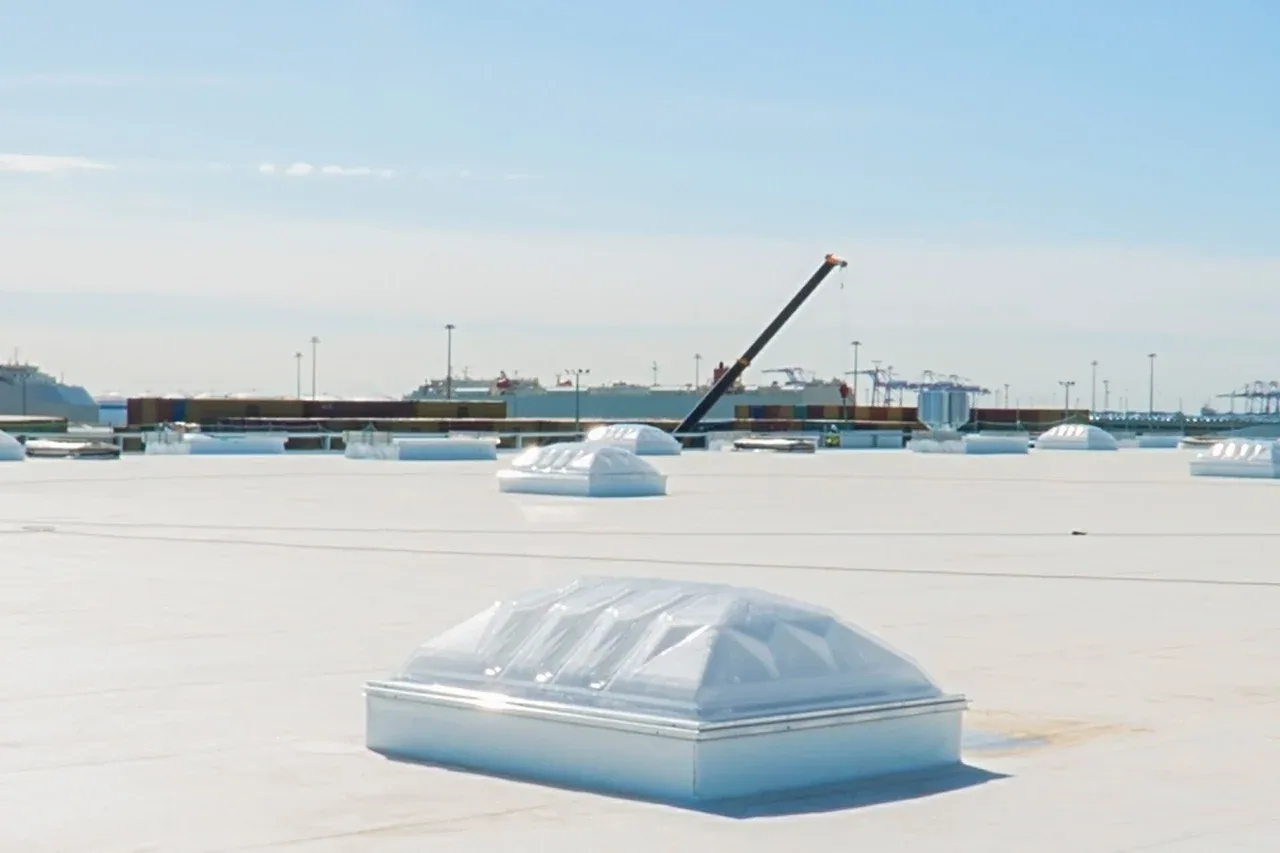
After a severe thunderstorm, the first inspection should separate visible roof changes from conditions that were already present. In Broken Arrow, OK, National Weather Service hail records for the Tulsa observation site show localized impacts, and the county archive documents tornado damage at or near the city; either event can affect one property while leaving another nearby untouched. We secure access, protect active interior leaks, and photograph the roof before moving loose material or beginning repair. The assessment checks membrane and metal surfaces, flashings, perimeter details, penetrations, drains, rooftop equipment, and interior reports. It records what is observed, what needs testing, and what cannot be reached safely during the first visit. Staging and road access are confirmed with the property contact rather than assumed from a map. A roof inspection record sets the baseline, and a focused repair scope follows when the condition is clear.
Record the site before moving material
Photographs taken before cleanup help preserve the location and apparent condition of displaced material, punctures, or impact marks. We note the inspection time, roof section, nearby detail, and any interior report so later review can follow the same path. Hail can bruise a membrane or damage metal components, but surface marks alone do not establish a leak or require replacement. Wind can move edge metal, lift flashing, or displace rooftop items; the inspection checks the attachment and adjacent material before setting repair limits. The NWS record helps explain regional exposure, but an individual roof needs direct observations. On a multi-building campus such as Northeastern State University Broken Arrow, damage and access are evaluated building by building rather than generalized across the property. Broad roof areas are photographed from safe access points, followed by close inspection of details that cannot be confirmed from a distance.
Control water entry while conditions change
When an opening is active, we protect the interior and isolate the affected work area before permanent repairs begin. The roof is accessed only when wind, lightning, wet surfaces, and debris allow safe movement. Temporary covering is secured to the roof conditions and the weather forecast; it is described separately from completed repair so the owner knows what remains exposed. If rain or additional storms interrupt the work, the handoff identifies the protection in place and the route for return. The Creek Turnpike connects southern and eastern Broken Arrow, where industrial and retail sites have different delivery and loading arrangements. We confirm staging space, gate instructions, equipment clearances, and operating hours with each site's contact before mobilization. For immediate exposure outside planned work hours, emergency response is available around the clock, including weekends and holidays, subject to safe access conditions.
Match the repair to the observed damage
Permanent repair depends on the roof system and the failed component. We identify membrane type, metal configuration, flashing materials, and prior repairs before preparing the surface or selecting a patch. Punctures, open seams, lifted terminations, damaged coping, and failed penetration details call for different methods. The repair follows compatible material requirements and includes the transition into sound surrounding roof. If water reached insulation or deck, the area may require an opening and replacement of affected materials rather than a surface patch. A separate hail assessment can document impact-specific findings, while wind damage review focuses on displaced or loosened components. Each recommendation names the observed condition and its limit. A weather report may inform the inspection date, but repair scope follows the building evidence.
Separate repair from insurance decisions
Storm repair and an insurance claim are related but distinct decisions. We document roof conditions, photographs, temporary protection, and work completed, then provide the owner with the records from our inspection. We do not decide coverage or represent the carrier's conclusion. Where a claim is being considered, a claim documentation process can organize observed damage and repair scope for the property team's use. The assessment also identifies pre-existing conditions when evidence supports that distinction, along with concealed areas that were not tested. If storm findings reveal widespread wet materials, failing attachment, or deck concerns, ownership can compare recover eligibility with a replacement evaluation. That comparison prevents a few visible marks from being treated as proof of full-roof failure, while also avoiding a narrow patch where inspection shows a broader issue. We identify the person who can authorize temporary protection, approve permanent work, and coordinate access, because those decisions can involve different facility and ownership contacts. The handoff lists what is ready to proceed and what still needs direction.
Leave a dated record for the next decision
At closeout, the property team receives dated photographs, a location map, the repair boundary, completed work, and any condition that remains open. We note whether the inspection occurred before or after cleanup, whether temporary protection remains, and which areas need a later visit. For a property near Creek 51 Business Park, roof access and industrial traffic can affect the follow-up route, so those logistics are captured with the inspection notes. If the building has active tenants or production, additional work can be staged by zone with the facility contact. A maintenance visit after repair can recheck seams, edges, and drains against the original photos. The record keeps storm observations, repair activity, and unresolved questions in separate entries, giving ownership a defensible handoff for repair approval and future roof planning. The facilities lead receives a list of locations that need re-entry and any route or production limits to resolve before that visit is booked.
When more than one trade is working after a storm, we coordinate roof access and temporary protection before crews cross a repaired section. HVAC, electrical, glazing, and cleanup work can disturb membrane or flashing after the initial inspection. We identify the roof areas released for other trades and note any detail that must remain protected until final restoration. If the owner needs an emergency patch before the carrier or engineer arrives, we preserve photos of the condition and the temporary work. Later, we compare the permanent repair with the original record and make clear which areas were changed in between. A follow-up inspection can check exposed edges, drains, and seams after the next rain. The property team receives a current status for each zone, including any continuing leak, incomplete work, or access restriction. That keeps a storm project organized through cleanup and return to normal operations without treating temporary measures as final repair.
Commercial Roofing Questions
Does a nearby hail report mean our roof was damaged?
No. Hail can be localized, and a regional report does not establish impact at one property. We inspect the actual roof, photograph observable conditions, and distinguish visible evidence from areas requiring additional checks when needed.
Can you cover an opening before completing the full assessment?
Yes, when the area can be reached safely. We document the opening, protect the interior, install temporary covering suited to the conditions, and record the remaining exposure for permanent repair.
How do you separate storm damage from older roof conditions?
We compare visible change, prior repairs, material condition, weather timing, and interior reports. Findings are described by location and evidence; areas that cannot be dated or confirmed are identified as uncertain.
Will you tell us whether the insurance carrier should pay?
We document roof observations and the repair work performed, but coverage is determined by the policy and carrier. The owner receives clear photographs and scope information to use in that process.
What if the storm damage affects more than one roof area?
We map each area and note whether the conditions are connected or separate. Additional testing or a broader roof evaluation may be needed where moisture, deck condition, or attachment cannot be established visually. Separate maps help the facility team coordinate access and track each repair boundary before ownership approval.