Commercial Roof Repair
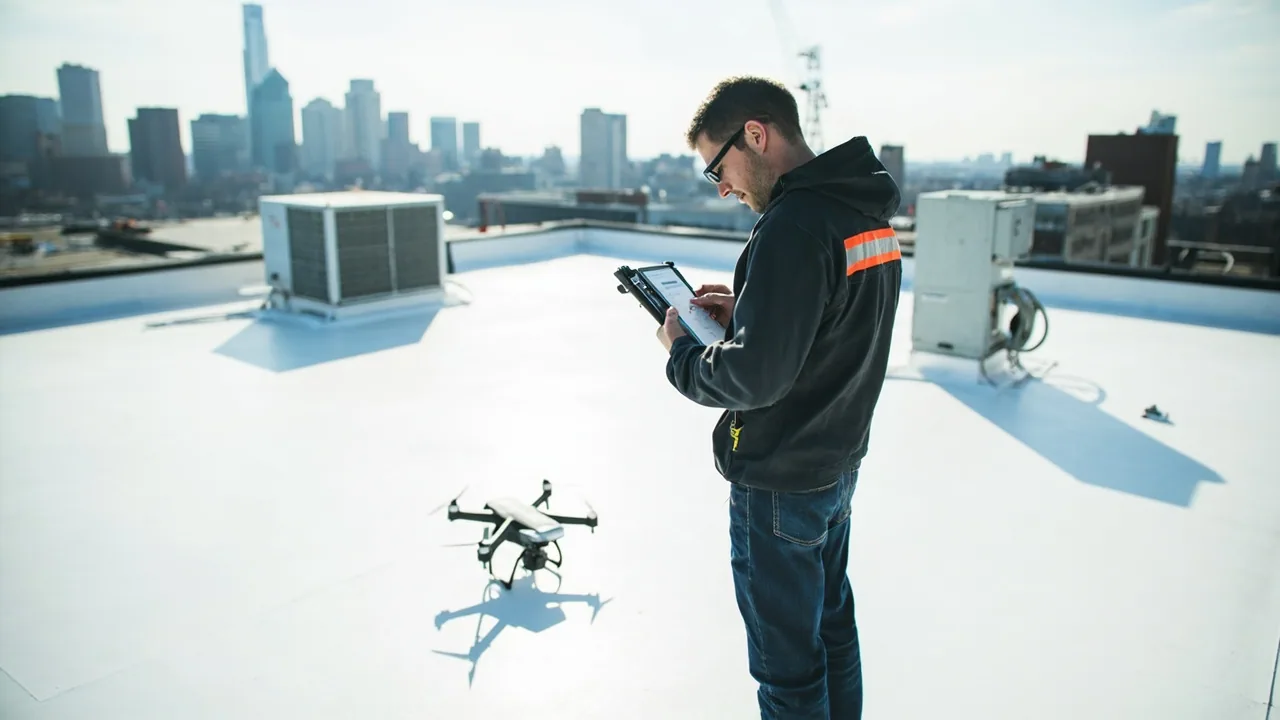
Spring wind and hail can move a repair visit from routine inspection to temporary protection in a single afternoon. First, we check for active water entry, document the affected roof area, and secure any opening that could admit more rain. In Broken Arrow, OK, the wettest season brings frequent showers and thunderstorms, while damaging wind and large hail are most common in spring and early summer. That pattern makes the repair sequence matter: the roof must be safe to access, the substrate must be dry enough for the repair method, and the completed edge must be secure before the next weather window closes. A hands-on commercial roof inspection records seams, flashings, penetrations, drains, and prior patches. Where recent hail is involved, a focused hail-damage review separates observable impact from unrelated wear, so the repair boundary follows the roof in front of us.
Trace the failure before patching
A repair lasts only when the failed detail and the water path are understood. We examine membrane splits, open seams, loose termination bars, cracked sealant, punctures, failed pitch pockets, and flashing transitions, then check what sits below the visible symptom. Water may travel along insulation or a deck before appearing inside, so the ceiling stain alone does not set the repair limits. We compare interior reports with roof observations and take targeted photos to show the condition, location, and nearby details. On an occupied site in Broken Arrow, the first step also includes protecting inventory, work areas, or patient-facing spaces below. If the roof needs active dry-in, temporary protection is recorded separately from permanent repair. A written condition report can give the building contact a clear record of what was observed and which items are repairable now versus requiring broader evaluation.
Match the repair to the roof system
Repair materials must be compatible with the membrane or panel already installed. We identify whether the roof is TPO, PVC, EPDM, modified bitumen, built-up, coating, or metal before selecting a patch or flashing method. For example, a heat-welded TPO seam repair calls for a clean, sound membrane and controlled welding, while an EPDM repair uses compatible materials and carefully prepared surfaces. Metal roof leaks require attention to fasteners, laps, closures, and movement rather than a bead of sealant placed over the symptom. We also assess the adjacent material so a new patch does not bridge onto loose, wet, or deteriorated roofing. Broken Arrow's manufacturing base includes heat-exchanger production as well as other industrial operations. At a manufacturing property, equipment clearances and service routes help set access and staging; inspection findings determine material choice and repair limits. The scope stays specific to verified details and access conditions.
Separate a spot repair from a larger scope
Some failures are isolated; others show that a larger area or assembly needs attention. We map the affected detail, test adjacent material where warranted, and note repeated repairs, broad moisture indications, drainage problems, or attachment concerns that change the next decision. A limited repair is appropriate when the surrounding roof remains sound and the repair can be made with compatible materials. If evidence points to more widespread deterioration, the owner can compare a recover assessment or a replacement evaluation against the repair scope. We do not extend a spot patch into a full-system recommendation without evidence. The record identifies the exact locations and conditions that support each option, and any hidden areas still requiring verification. That gives ownership a defined repair boundary, with the remaining risk stated in practical terms rather than hidden in a broad allowance.
Coordinate access and weather
Repair planning includes the route to the roof, the area below it, and the time allowed to complete the detail. SH-51 and the Creek Turnpike connect different parts of the Broken Arrow commercial and industrial network, but site access still depends on each building's loading, security, tenant, and equipment rules. We confirm hatch or ladder access, lift placement, roof traffic limits, and any hot-work or odor restrictions before mobilizing. Spring storms can shorten an exposed work period; late-summer heat can change safe access and material handling. We check conditions against the product requirements and protect the interior before opening a repair area. For a facility that cannot pause operations, occupied-building coordination helps set notice, staging, and handoff expectations. If wind, rain, or an unsafe surface prevents permanent work, we explain the temporary measure and schedule the next suitable window.
Leave a usable repair record
Closeout confirms that the repair is complete and makes the next inspection more useful. We photograph the prepared area, installed materials, finished seams or flashings, and any adjacent condition that remains outside the repair boundary. The report notes date, location, observed cause where supported, repair method, and any follow-up item that should be watched. After a hail or wind event, a regional storm record does not establish the condition of a particular building; roof observations and interior reports stay tied to the property. A future maintenance visit can revisit repaired transitions, drains, and edges before small changes become water entry. At a manufacturing property in the Washington Street corridor, service paths and rooftop equipment belong in the record because follow-up access affects how the repair can be checked. The handoff states what was repaired and what calls for another decision.
A repair scope should state both the defect and its stopping point. We define the surface preparation, material, tie-in, and adjacent detail included, then identify conditions that would require owner direction before the boundary expands. When opening a roof reveals wet insulation or a damaged deck, we photograph the concealed condition and pause for approval rather than assume it belongs in the original price. The crew also records the weather limit and temporary protection needed if the repair cannot be completed in one shift. For occupied facilities, the scope notes which entrance, room, or service route may be affected and who will receive the daily handoff. At closeout, photographs show the finished tie-in and any nearby condition left for a later project. That allows a maintenance team to distinguish completed work from a separate defect and gives the next inspection a clear point of comparison.
Commercial Roofing Questions
Can you repair a leak when the weather is still active?
We first make the area safe and protect the interior. Temporary dry-in can limit exposure, while permanent repair waits until the roof and materials meet the installation conditions. The record separates emergency protection from completed repair.
How do you keep a patch from peeling or opening again?
Preparation and compatibility matter. We identify the roof system, remove loose or contaminated material within the repair boundary, prepare the surface as required, and check the finished transition rather than covering the failure with sealant alone. Photos preserve the repair location for the next visit.
Will one roof repair stop water showing up in several rooms?
We trace the likely path from roof observations and interior reports. Water can travel before it appears indoors, so each reported location is checked against seams, penetrations, drains, and other roof details before the scope is set. If separate entry points are found, we map and document each one instead of treating several interior symptoms as a single confirmed opening.
When should a repair lead to replacement planning?
Repeated failures, widespread wet materials, deteriorated attachment, or a compromised deck can justify a broader evaluation. We document those findings and compare a defined repair with recover or replacement options so the next step follows evidence.
What will the repair report include?
It records the observed condition, repair location, method, photographs, and any adjacent issue outside the authorized boundary. If concealed conditions remain uncertain, the report identifies what was checked and what would require another inspection or opening.