Office Building Roofing
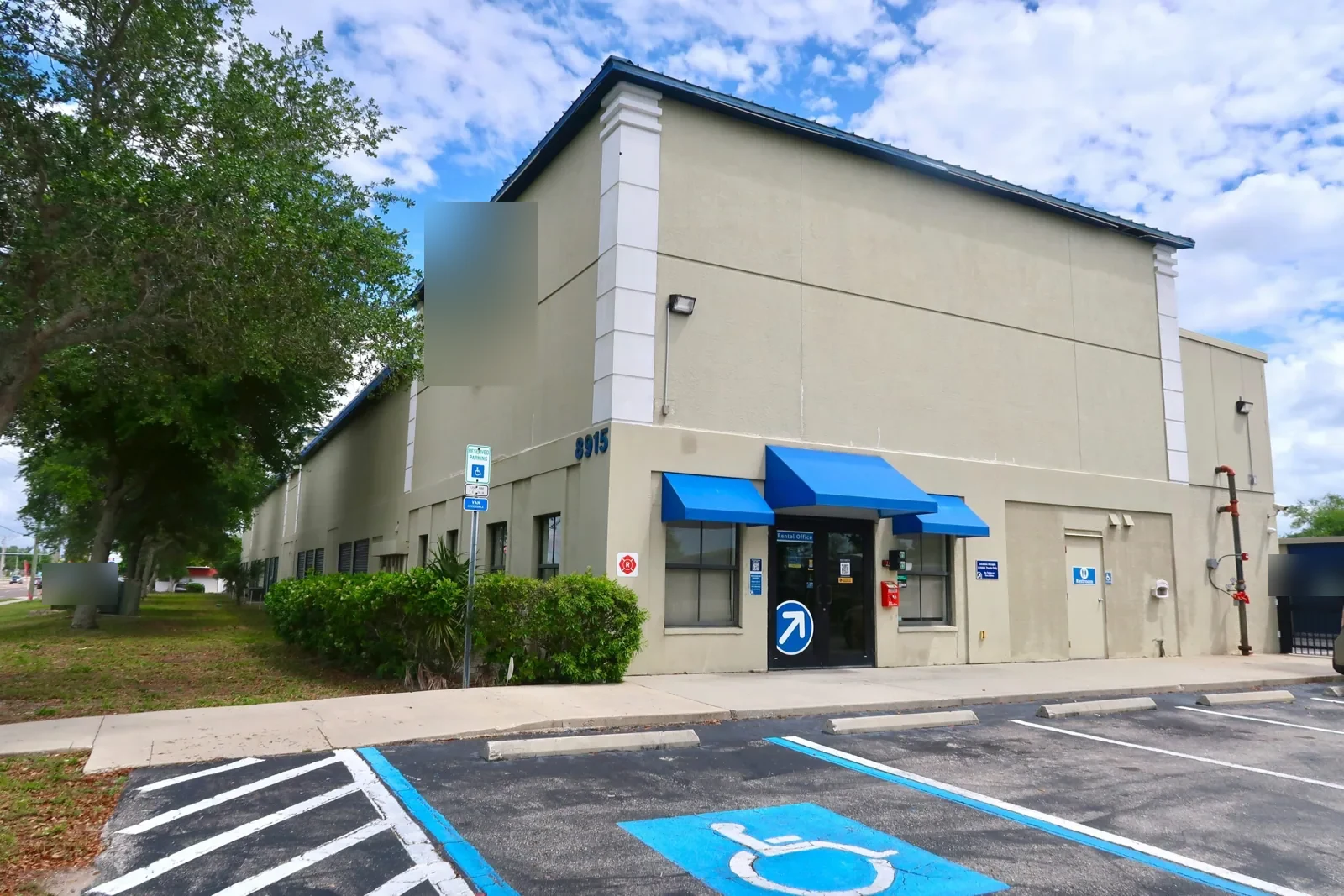
A ceiling stain above a conference room can disrupt a workday before anyone knows whether the roof or a nearby detail is responsible. We inspect the reported area, protect furnishings and equipment below, and document seams, penetrations, drains, and access conditions above. In Broken Arrow, OK, office properties sit in mixed-use districts such as the Rose District and Aspen Village, where tenant schedules and pedestrian access can shape a roof visit. We confirm the entry route, occupied areas, and roof conditions with the property contact before setting the scope. Our office roof inspection identifies the repair boundary and the next decision for the property manager.
Keep tenant routes open
Office roofing affects entrances, parking, sidewalks, meeting rooms, and the hours when occupants can tolerate noise or odors. We confirm roof access, lift placement, staging, and which doors or areas must remain available. If a repair is near a tenant suite, the facility team helps identify interior protection and notice needs. We agree on a daily handoff so occupants know what work is complete and whether any access limit remains. A phased office work plan can separate roof areas around business hours while maintaining a safe perimeter below.
The Rose District is Broken Arrow's mixed-use historic downtown center, with Kenosha Street serving its north side and Washington Street its south side. Those corridors help orient a visit but do not determine an individual property's access rules. We coordinate with the building contact on loading areas, lift routes, and pedestrian activity. A Rose District property review can use local context while inspection findings remain tied to the specific roof and tenant plan.
Inspect the roof above occupied space
Office roofs may contain membrane seams, skylights, parapets, drains, rooftop units, and later additions with different assemblies. We identify each system and inspect flashings, curbs, penetrations, and areas where water may collect. Reported leaks are compared with roof observations because water can travel before showing inside a ceiling. We photograph visible conditions and flag any section requiring moisture testing or an opening. A medical office roof assessment adds attention to patient schedules and clinical circulation, while both building types need clear indoor protection and notice plans.
A storm alert may lead the property manager to request a roof check. We inspect the office building itself, because regional weather information does not confirm the condition of a particular roof. We look for observable punctures, shifted edges, open seams, or flashing movement and document only what is present. If an active leak is confirmed, temporary protection can come first, with permanent work scheduled when the roof is dry enough for the repair method. A wind-related inspection can focus on visible edge and flashing changes after an event.
Choose a practical work window
During the hottest stretch of the year, exposed roof work is scheduled by surface conditions and safe access. Spring showers can also interrupt repairs that need dry preparation, so we check the forecast before opening the assembly. We confirm the forecast, product conditions, roof access, and protection below before opening a repair area. If weather closes the work window, the crew leaves the area secured and the building contact receives an update on what remains.
Office activity may continue during a reroof if the work is divided into areas and barriers remain clear. We coordinate sound, odor, deliveries, and any temporary entrance changes in advance. In Sand Springs, River West brings commercial uses along the Highway 97 corridor. The building contact confirms tenant access, loading, and staging at the property. The work plan notes which spaces are affected, when the crew will be overhead, and how occupants can reach open areas.
Separate a room repair from roof renewal
A leak near one tenant space may come from a specific flashing, drain, or seam; recurring reports across multiple rooms may call for broader investigation. We map each complaint to the roof and record what is visible, what was repaired, and what still needs testing. A limited failure may be corrected without replacing a larger area if adjacent materials are sound. Widespread moisture, repeated patching, poor drainage, or failing attachment can support comparing repair with a recover assessment or replacement. Existing layers, deck, and drainage are reviewed before any overlay is considered.
Owners can use a roof condition record to sequence immediate leak work and future capital planning. We distinguish temporary protection from permanent repair and identify items that need engineering or permit review. For office portfolios with an attached data center area, access controls and equipment uptime may change the work sequence, even when the building envelope connects. The property manager receives a defined scope and a list of decisions needed before materials are ordered.
Document repairs for the next tenant cycle
Closeout includes photographs of the repair, adjacent roof details, and any issue left outside the approved work boundary. We note where water entry was reported, what protection was installed, and when a follow-up check makes sense. A maintenance visit can revisit drains, rooftop equipment, skylights, and repaired seams before another tenant report arises. Near Northeastern State University's Broken Arrow campus, New Orleans Street connects toward the Creek Turnpike. The property contact confirms the roof hatch, loading area, and tenant route before the visit. Give us tenant access periods, leak notes, and planned suite work. The closeout record will identify completed roof items and any condition the next property manager should track. During a suite move or interior renovation, those notes can help the next project team locate roof penetrations and avoid disturbing repaired flashings or service routes.
Office work is planned around the people and systems below the roof. We identify occupied floors, conference or data rooms, air intakes, and entrances that could be affected by noise, dust, or a lift. The facilities contact confirms notice requirements and work periods before material is staged. A leak over one suite is mapped separately from conditions found near a rooftop unit or parapet. We inspect those details and record whether the membrane, flashing, or substrate can be confirmed from the surface. If a repair requires an interior ceiling opening, the scope identifies who will restore finishes and how the room will be protected. For multi-tenant buildings, the daily handoff lists spaces that remain in use and any temporary barrier left overnight. Closeout photos give property staff a building-level record for future service. That helps the next decision-maker distinguish a localized issue from a broader roof program without treating tenant reports as proof of a system-wide failure.
Commercial Roofing Questions
Can roof repair happen during office hours?
Often, if access, noise, deliveries, barriers, and interior protection are planned with the property manager. We can divide work by roof area and provide a daily handoff on entrances or routes affected.
How do you protect tenant spaces from a roof leak?
We confirm the affected room, protect furnishings and equipment, and inspect the roof detail above. Temporary measures are documented separately from permanent repair so tenants and ownership know what remains.
Should every office report after hail lead to a roof claim?
A regional hail report does not prove damage at a specific property. We inspect the roof, photograph observable conditions, and keep storm-related findings distinct from age or prior repairs.
Can one tenant's leak require work across the roof?
Sometimes the water path extends beyond the room or roof detail where it appears. We compare each report with seams, penetrations, and drains and expand the scope only when site evidence supports it.
What should property management share before a visit?
Send tenant hours, roof access details, leak reports, loading rules, and any restrictions on noise, odors, or lift placement. Those details help us set a workable sequence and protect the areas below.