Tulsa
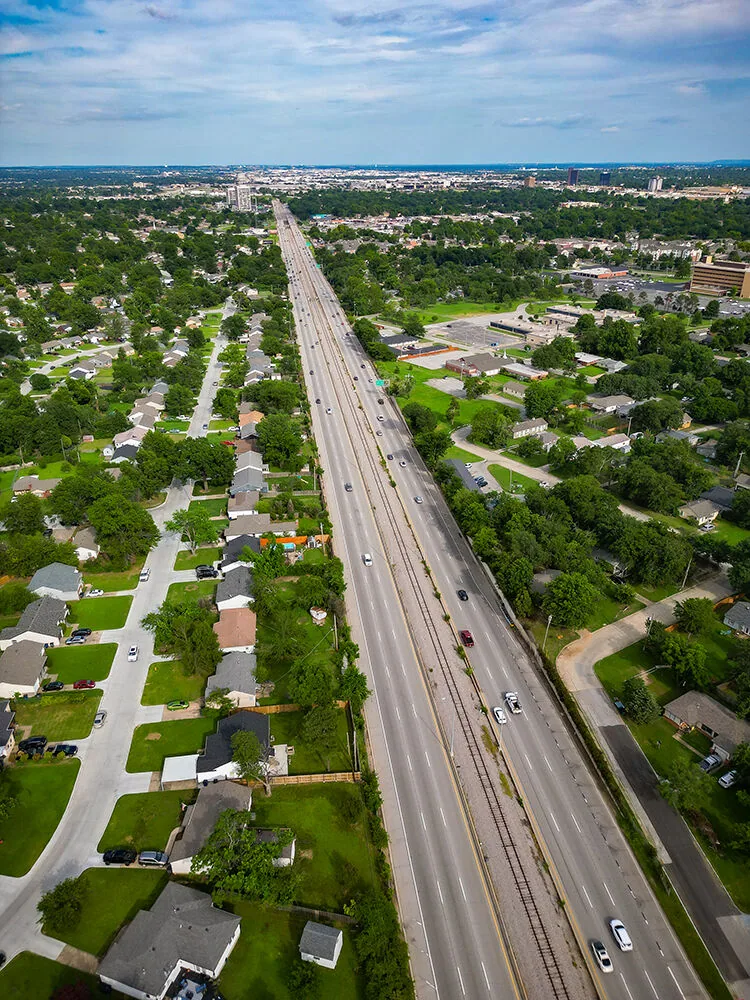
Spring hail and severe thunderstorms can change how a Tulsa roof inspection is sequenced, but a regional report cannot establish conditions at one building. We first record the reported area, inspect details above and below, and set any temporary protection before defining permanent work. Tulsa contains distinct commercial and industrial settings, from downtown redevelopment districts to industrial investment areas in the north. Each roof needs a plan based on its assembly, use, access, drainage, and documented condition. We inspect the roof in scope, connect reported leaks with visible details and interior evidence, and record areas that could not be reached. When a repair is appropriate, the recommendation defines its boundary and the conditions that could change it. A commercial roof inspection gives owners a clear starting record before they compare a targeted repair with broader work.
Plan around Tulsa’s different property settings
Tulsa has commercial activity in several distinct settings. The city identifies active economic-development project areas in Downtown Tulsa and the Pearl District, and its records include a Tulsa International Airport project plan. North Tulsa adds a different industrial context: the City describes the Peoria-Mohawk Business Park as a 120-plus-acre redevelopment site intended to support industrial investment. These settings bring different roof layouts, access procedures, tenants, and work windows. An occupied downtown building may require deliveries and pedestrian routes to stay clear, while an industrial property may have escorts, vehicle movements, or equipment areas to coordinate.
Before scheduling, we confirm the exact building, roof entry point, safe staging area, operating hours, and any restrictions set by the property contact. Tulsa-area work can connect with the broader metro market, including commercial properties in Bixby and the Owasso service area, but each roof receives its own inspection record and scope. Before a visit, we confirm the roof assembly, access contact, and approved entry route with the property's manager.
Use local weather as a scheduling input
The National Weather Service’s Tulsa climate records document hail reports through the year, with a spring peak, and note that hail can be localized. A report for the metro therefore does not establish damage at a particular roof. We photograph the affected roof zones, check seams, flashings, penetrations, edges, and rooftop equipment, then compare those observations with any event date and interior report the owner provides. If a leak needs immediate protection, we separate temporary measures from permanent repair recommendations. A wind-condition inspection follows the same evidence-first sequence for lifted edges, displaced metal, or other visible changes.
Tulsa’s climate profile notes a recurring stretch of triple-digit heat from late July into early September. Heat affects roof access, surface conditions, and some installation steps. Spring rain can interrupt work that needs a dry substrate or open-roof exposure. We set a daily stop point and agree on how an opened area will be protected if conditions change; the schedule remains subject to the roof condition and forecast at the time of work.
Identify the assembly before choosing a repair
A symptom on the ceiling does not reveal whether the roof is TPO, PVC, EPDM, modified bitumen, built-up roofing, a coating, or metal. We inspect representative areas and document the field, seams or laps, perimeter, penetrations, drains, curbs, and transitions. Interior leak reports are compared with likely water paths rather than treated as a direct map of the roof opening. If insulation moisture, deck condition, or attachment cannot be established visually, the report identifies a suitable test or selective opening.
Tulsa includes large and multi-building industrial properties as well as smaller commercial roofs. The Peoria-Mohawk project adds industrial redevelopment to the Tulsa-area property mix. At each building, we inspect the roof assembly, drainage, and penetrations before selecting materials. We use a manufacturing-plant inspection sequence where production activity affects access, and keep each building’s findings separate. A photo condition report records observations, inaccessible areas, and the questions that remain open.
Keep repair and renewal decisions distinct
A bounded repair can make sense when the defect is localized and surrounding materials can support a sound closure. Repeated leaks, widespread wet insulation, failed attachment, or multiple deteriorated transitions may justify additional testing or capital planning. We explain which findings support each option and separate emergency dry-in from permanent repair. For a roof that may qualify for an overlay, a recover assessment checks substrate, moisture, compatibility, drainage, and attachment before an existing assembly is left in place.
Replacement planning also accounts for removal depth, deck repairs, edge metal, equipment clearances, tenant protection, and the amount of roof that can safely be open at one time. A TPO system review begins with the actual deck and perimeter conditions, not a presumed material choice. Where ownership includes more than one Tulsa building, inspection records can help compare urgency while preserving a separate scope and decision for each property.
Leave clear records for the next decision
A useful closeout lists the roof zones inspected, repairs completed or recommended, restricted areas, and tests that could change the recommendation. Photos should identify the seam, curb, drain, edge, or transition well enough for another person to find it. Any temporary protection receives its own note with its location and follow-up condition. For occupied or industrial properties, the record can also capture the access route, barrier, or schedule constraint that the site contact confirmed.
Tulsa includes office, industrial, healthcare, retail, and institutional properties with different roof access and operating requirements. A port or manufacturing site may need a receiving window; an office or medical building may require clear pedestrian routes and notice to occupants. We confirm the exact property and site contact before assigning staging or lift access. On the roof, we verify the assembly and trace reported water through seams, penetrations, drains, and wall transitions. A citywide service request can cover more than one building, but the findings remain separated by address and roof zone. Tulsa-area spring storms make a dry-in limit important whenever membrane is opened, while late-summer heat can shorten safe time on exposed surfaces. We set the work area to fit the forecast and the site's operating hours, then document what remains temporary if a shift stops early. The closeout names each roof reached and the next decision for it. That creates a clear route for follow-up across multiple facilities without blending one building's leak, access rules, or repair history into another's record.
To arrange a Tulsa commercial roof visit, share the property address, roof access procedure, operating constraints, known interior reports, and a preferred inspection window. We confirm the visit sequence and who should be available for access. The first report distinguishes observed conditions from items that need testing, and it states the proposed repair boundary before materials are selected. If a second walk is needed after internal review, the same zone map can carry the findings into the next decision.
Commercial Roofing Questions
Does a Tulsa hail report prove that my building has roof damage?
No. Regional reports provide context, but the roof must be inspected. We document visible conditions and connect recommendations to the affected areas and the event information you provide.
Can you inspect an occupied office, retail, or industrial building?
Yes. We confirm access, occupied areas, delivery routes, escorts, and any operating limits with the property contact before work begins.
How do you decide between repair and replacement?
We inspect the assembly, drainage, attachment, perimeter, and affected zones. A localized defect may support repair; broader deterioration or concealed moisture may require testing or renewal planning.
What should I provide before a Tulsa roof inspection?
Share the building address, access instructions, known leaks, interior locations affected, operating hours, and any roof plans or prior reports you have.