Owasso
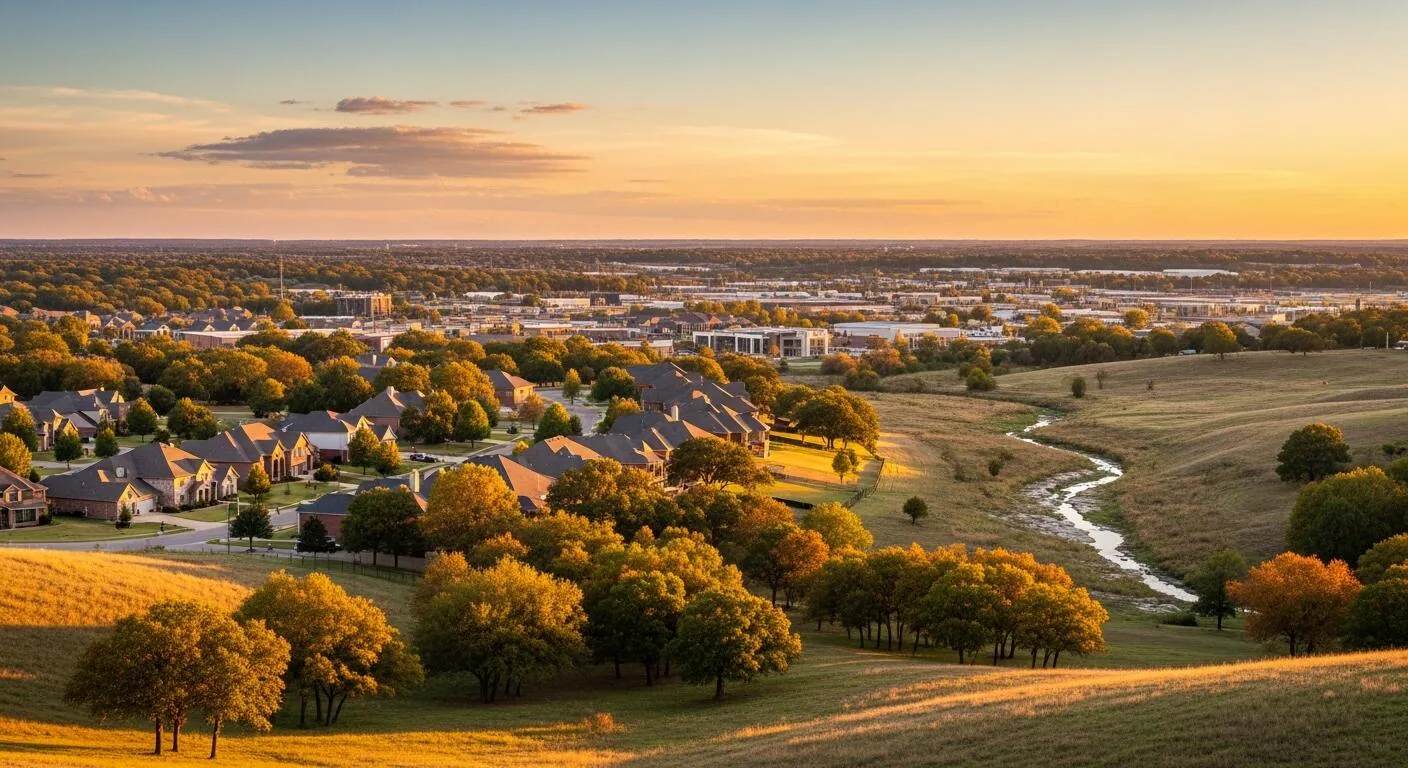
Owasso's 2035 plan identifies commercial corridors along US-169, SH-20, and 116th Street, with industrial areas for light manufacturing and warehousing. The city's infrastructure profile also describes truck access, regional rail connections, and the nearby Tulsa Port of Catoosa. The corridor network and nearby rail and port connections inform arrival planning. We confirm the address, access, and occupancy, then inspect the surface, drains, seams, edges, and penetrations. A commercial roof inspection gives the property manager a field record before repair or capital decisions are made.
Separate truck access from roof access
US-169 links Owasso toward Tulsa and north toward Kansas City, while the plan also names SH-20 and 116th Street as commercial corridors. Those roads help orient a site visit, but a roof crew still needs a confirmed entrance, check-in procedure, delivery path, and safe point for lift or material staging. We ask the property contact which route remains open to trucks, what hours receiving is available, and where equipment may be placed. Before dispatch, the property contact confirms the gate, loading door, and permission for truck or lift access.
The local profile references warehouse and truck access, light manufacturing, and rail connections. For an operating facility, we confirm which work areas or vehicle routes must remain clear and whether a roof visit requires an escort. Rooftop equipment, service lines, and safe walk paths are recorded as found, not inferred from a property category. A clear work sequence keeps removal, temporary cover, deliveries, and interior protection coordinated. The nearby Tulsa Port of Catoosa also has rail and barge functions, while the Port of Inola presents a separate development and access context.
Set the opening size to the weather window
Spring tends to deliver Tulsa's greatest rain volume, with showers and thunderstorms in the mix. Before opening a roof, we establish how much material can be removed and protected within the shift, then mark the point where work stops if rain develops. A dry-in method protects the space below while preserving the condition of surrounding seams and flashing for permanent repair. If a wet substrate or contamination prevents proper preparation, that repair waits. The daily handoff identifies what is protected and what remains on the schedule.
Hail records for the Tulsa metropolitan area cover all seasons and peak in spring, but impacts may be limited to a local area. A report near Owasso can prompt inspection without proving damage at a specific address. We photograph observed roof conditions, compare them with interior reports, and list any section that could not be accessed. The storm-damage work plan distinguishes urgent protection from permanent scope. Late summer includes frequent 100-degree days in Tulsa's climate profile, a condition that may affect roof access and preparation hours.
Trace the affected zone across the assembly
A leak over a warehouse bay, office, or production space needs a roof check that follows the reported location upward. We inspect seams, penetrations, drains, wall transitions, curbs, and perimeter details near the interior mark, then note whether the visible evidence supports a localized repair. For a warehouse roof, we verify the current use and installed assembly at the building before setting a repair boundary. We confirm current use with the owner and identify any concealed moisture that needs further testing. A written roof condition report records what was observed and what remains unknown.
The city's profile mentions the Tulsa Port of Catoosa as a nearby logistics connection, and the plan names US-169, SH-20, and 116th Street as commercial corridors. Those references can help a facilities contact explain how to reach a site; they cannot substitute for building-specific access instructions. We photograph the roof zone and label each finding to the address or building identifier. If an industrial portfolio includes multiple structures, the records stay separate until the owner asks for a comparison. The separate records let the owner sequence maintenance without carrying one building's findings into another.
Set repair priority from roof evidence
A seam or flashing problem can be isolated when the adjacent material is sound and the water path is limited. If the inspection finds broad deterioration, recurrent leaks, wet insulation, or drainage issues across several zones, the owner may need testing or a replacement evaluation. We write the immediate repair separately from long-range work and identify observations that could change the recommendation. A targeted service scope shows where a repair starts and ends. A recover or coating option is considered only after checking moisture, drainage, attachment, and the existing roof's condition.
Timing and cost follow site access, lift requirements, work height, operating hours, interior protection, removal depth, disposal, deck repair, edge conditions, and weather pauses. Once the roof system is selected, we confirm material availability and delivery timing with the supplier. If several buildings are in scope, we sequence them by documented condition and confirmed access, then share any dependency that affects the next site. A multi-building roof program can organize those records without blending one address's deficiencies into another's.
Close with a route and scope the owner can use
The inspection or repair closeout lists roof zones reached, observed conditions, completed protection, and details that need a future test or access. Photos identify the drain, edge, penetration, or seam under discussion, while notes preserve the work boundary and any remaining leak concern. If the property contact restricted a route or delivery window, that limit appears in the handoff so future planning starts from confirmed instructions. The record can support maintenance staff, a property manager, or a capital review without implying that an entire industrial area was inspected.
Owasso's commercial corridors help orient a service route. Before choosing equipment access, we confirm the building address, receiving hours, roof entry, and site contact. An office, retail center, industrial building, or hospitality property may require a different perimeter and notice plan. The inspection documents roof assembly, drainage, seams, curbs, and interior reports by structure. If several roofs are part of a portfolio, each receives separate findings before the owner compares priority. Weather delays are logged with the area protected and the return work needed. After a storm report, we inspect the roof for visible wind or hail damage before setting the repair scope. The final handoff names the building reached, access limits, work completed, and next decision. That makes service planning useful across Owasso without carrying assumptions from one commercial area to another.
To prepare a first visit, send the site address, building identifier, access and receiving rules, roof entry information, operating hours, and known interior reports. We will confirm the staging arrangement and weather window with the person responsible for the property. US-169, SH-20, and 116th Street provide corridor context, while the roof inspection establishes the actual conditions. The next step might be an immediate repair, additional moisture testing, or a broader replacement review. The written record explains which path the evidence supports and what information is still needed.
Commercial Roofing Questions
Do Owasso's warehouse designations identify roof assemblies?
No. The land-use plan describes industrial and commercial categories, not materials installed on a specific building. We inspect the assembly and review owner records before recommending work.
Can truck routes along US-169 be used for roofing deliveries?
The corridor gives regional context, but delivery access and unloading must be approved for the property. We confirm truck limits, hours, staging, and roof access with the site contact.
Does the nearby port connection change roofing material lead time?
Not by itself. Availability and delivery timing depend on the selected product, supplier, and site receiving rules, which we verify after the scope is established.
How should a manager compare several Owasso roofs?
Keep an inspection record for each address, then compare urgency, access, moisture findings, and repair options. A portfolio view follows separate building findings rather than replacing them.