Multi-Site Commercial Roofing Programs
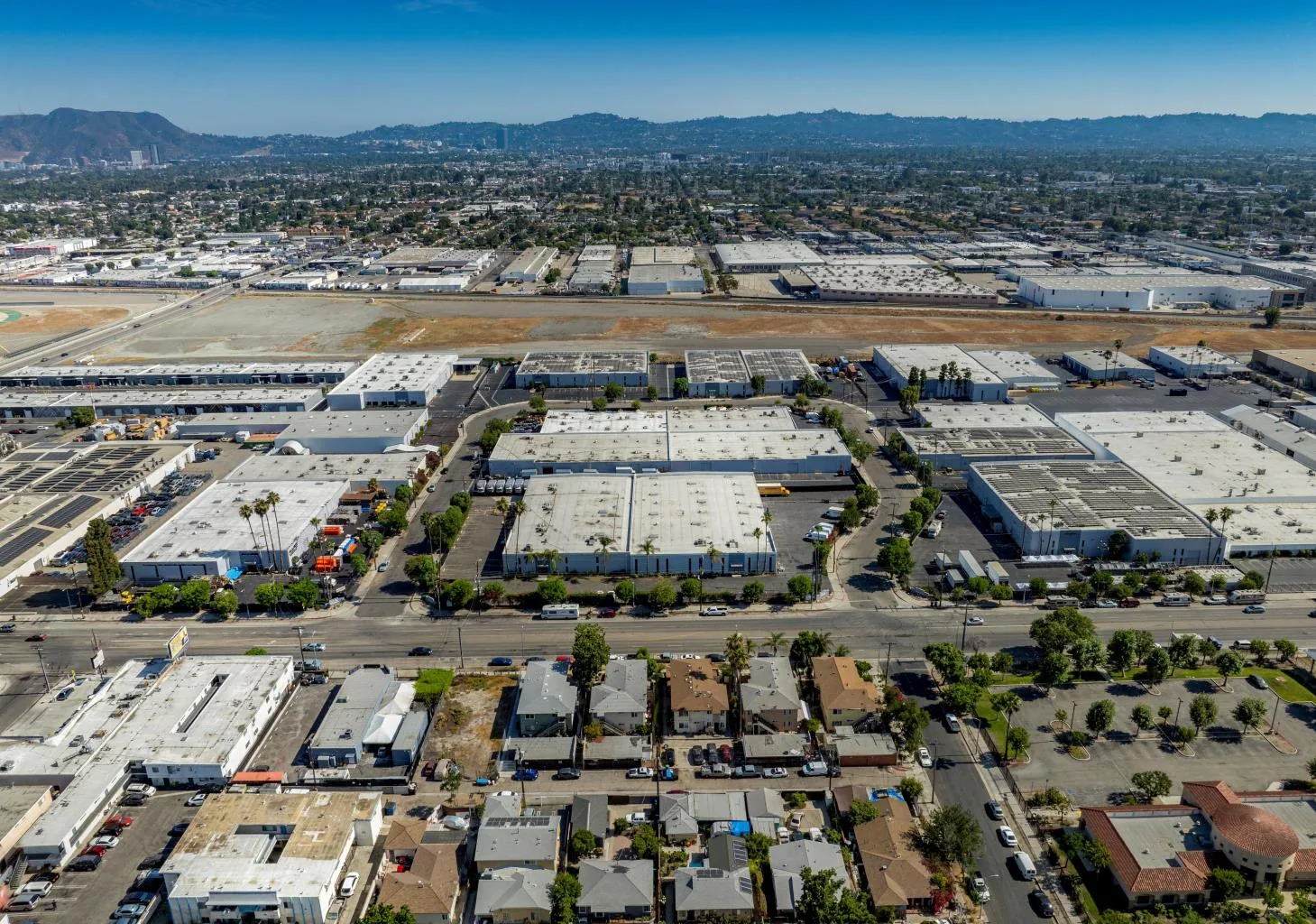
A spring storm can put one building on an urgent repair track while another property in the same portfolio remains dry. A multi-site program coordinates the response without treating every roof as if it had the same condition. We establish an inspection schedule, access contacts, report format, escalation path, and method for approving work, then record findings separately by address. In Broken Arrow, OK, the district school portfolio and industrial sites such as Creek 51 Business Park illustrate how different operating constraints can coexist in one local service area. A roof asset record keeps the history for each building identifiable.
Set a common process for every property
At program start, we confirm the building list, roof documents, known system information, preferred contacts, entry rules, and operating calendars. Each site receives an identifier that follows its plans, photographs, inspection notes, work approvals, and closeout. We agree on how urgent conditions are reported, who can authorize temporary protection, and which owner representative can approve a permanent scope. If a record is incomplete, we mark the gap for that address rather than transfer an assumption from a neighboring roof.
Broken Arrow Public Schools has a 31-site district with more than 20,000 students. Those figures describe the institution's scale, not the roof condition or system at any individual school. A district roof visit starts with the named building and current access instructions, then records its actual conditions. A common process can keep campus contacts aligned while preserving each school's repair boundary and operating requirements.
Inspect each roof on its own evidence
During a scheduled visit, we review accessible roof fields, seams, flashings, penetrations, curbs, drains, edges, and prior repair locations. Interior reports and roof observations are mapped together when the facility provides them. We photograph conditions with enough location context to return to the same area. A suspected wet layer, inaccessible roof zone, or unclear water path remains an open item until testing or additional access confirms it. The report does not assign damage to a site because a different building nearby experienced a storm.
The Tulsa area receives its most persistent rain in spring, with recurring thunderstorms that can disrupt a route or a roof closure. Program scheduling should allow room for weather stops, emergency calls, and return visits when surfaces are not ready for permanent work. We can use planned inspections to compare the current condition with earlier photographs, while keeping urgent dry-in work outside the routine maintenance cycle. A site inspection updates the field record; a photo condition report gives the owner a consistent handoff format across the portfolio.
Route urgent work without losing site control
When a building reports an active opening, the program identifies the local contact, roof access route, protected interior, and authority for emergency measures. A response can proceed overnight, on weekends, or on holidays when exposure cannot wait for a routine visit. We document which property received service, what temporary cover was installed, what remains exposed, and who checks the area before permanent work. This prevents a portfolio-level status from hiding the condition of one roof.
Creek 51 Business Park occupies an industrial-zoned site at the Creek Turnpike and SH-51 junction, and its available-site listing identifies public utility services for tenants. That local setting can involve delivery and equipment coordination, but each property's gate, staging area, and operations still require confirmation. A Creek 51 area visit uses the address-specific instructions. For planned work, scheduled roof maintenance can be coordinated after urgent conditions are stabilized and approved.
Keep reporting consistent and decisions local
Owners benefit from a consistent set of fields: condition, location, photograph, urgency, access requirement, recommended action, approval status, and next review date. The format can be common while the actual scope remains different for each roof. One site may need a drain correction; another may need a moisture test before a repair estimate; a third may be ready for planned replacement analysis. We identify system and material only when records or field evidence support it and keep unverified causes out of the program summary.
Creek 51 and the Northeastern State University Broken Arrow campus sit in different operating contexts along the local Creek Turnpike and New Orleans Street network. We use those places to orient scheduling, then confirm the actual delivery route, escorts, occupied hours, and roof access at each property. A warranty record can be tracked with the building's repairs and inspection duties. A due diligence survey can also be added when a building enters or exits the managed group, with a defined transaction purpose.
Plan repeat visits and capital work together
A multi-site schedule can group compatible inspections or repairs by system, geography, access window, and procurement needs. It should still show a separate scope, approval, and closeout for every address. We help identify near-term protection, planned repair, testing, and renewal questions so finance and facilities teams can see what decision is due next. Cost drivers include access, material availability, roof layers, moisture findings, equipment movement, interior protection, and the number of locations that can be completed in the available weather window.
Recurring heat above 100 degrees Fahrenheit is common here from the end of July into early September. Heat can constrain roof access and installation timing across multiple sites, while spring rain can shift an inspection route or delay an open repair. We set contingencies and update the owner when a weather stop changes the sequence. A capital planning review can compare documented conditions and proposed timing, while a property with a specific repair need receives its own defined scope before authorization.
Close each visit with an accountable next step
After each visit, the site record includes photographs, work completed, areas not inspected, temporary protection left in place, and the name or role responsible for the next action. The program view can summarize status by building, but detailed observations stay attached to the property that produced them. If an owner defers a recommendation, the decision and review date remain visible. If a new leak or storm report arrives, staff can locate the latest inspection and contact without rebuilding the history from email.
Share the property list, roof plans, access procedures, lease or operating limits, maintenance history, and approval contacts. We will establish a program rhythm and confirm the reporting format before the first group of visits. The next step can be a baseline inspection, a priority repair at one address, or a schedule for recurring checks. A condition report format can keep the handoff clear while the work plan respects each building's condition and access rules.
Commercial Roofing Questions
Can one inspection schedule cover several Broken Arrow buildings?
Yes. We can coordinate dates and reporting across a group, while inspecting and documenting each roof separately. A building not visited remains outside the current condition record.
How does the program handle a leak at one site?
The reported property receives its own response, access confirmation, temporary protection record, and permanent repair scope. The portfolio summary shows that site's status without assigning the same condition to other buildings.
Can the owner use one report format for all locations?
We can use consistent fields for observations, photos, priorities, approvals, and next steps. The findings and repair boundary remain specific to each address and roof system.
What should be ready before the first site visit?
A property list, roof plans, access contacts, operating hours, prior repairs, and known leak locations help set the route. We confirm any missing information with the responsible contact before scheduling that site.
Can maintenance be grouped with replacement planning?
Yes, as separate decisions. Routine checks can identify repairs and maintenance needs, while capital planning compares larger work only where current roof evidence supports that review.