Commercial Roof Due Diligence Surveys
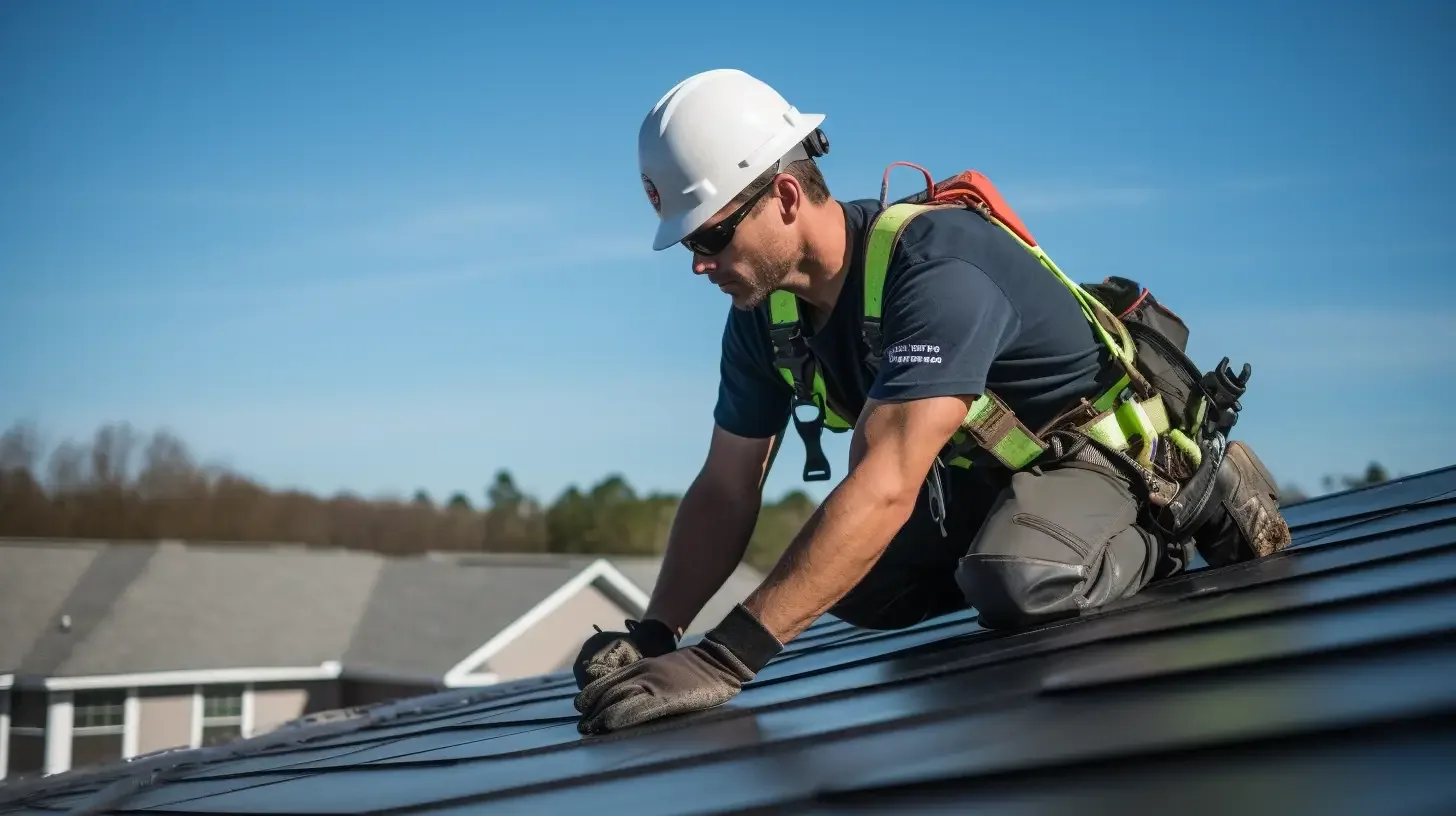
A transaction schedule can leave one short window to inspect the roof before an acquisition or refinancing decision. We use that time to review available records, walk accessible areas, photograph conditions, and identify repair or testing questions that could affect the next scope. The survey describes what was observed on the inspection date; it does not replace structural review, legal diligence, or a full bid package. In Broken Arrow, OK, the property mix includes industrial land around Creek 51 Business Park and active mixed-use development at The Shops at Aspen Creek. A mapped condition report gives the transaction team a property-specific record.
Review the documents before the site visit
We begin with roof plans, prior inspection reports, maintenance history, leak records, repair invoices, warranties, and any project information the owner can provide. The records help identify the roof areas and past decisions that should be checked in the field. Missing dates or unknown materials remain open questions; we do not infer system age from a building's appearance. If the transaction scope has a fixed inspection window, we agree on access, escort needs, occupied hours, and the person authorized to answer questions before travel is arranged.
Broken Arrow's Creek 51 Business Park is an industrial-zoned site where public electric, gas, water, wastewater, and telecommunications service are listed. Creek 51’s light-industrial setting helps frame an industrial transaction, while the roof assembly still has to be confirmed on the building in scope. We confirm the property address and building identifiers against the supplied records before making roof observations. A survey near Creek 51 remains limited to the access and roof area the owner makes available during the transaction window.
Inspect details that can change the scope
On the roof, we examine accessible field areas, seams, flashings, penetrations, drains, scuppers, edges, curbs, prior repairs, and visible surface changes. We photograph conditions with location context so the buyer or lender can identify where a question arose. Roof type is recorded when it can be established from the installed materials or reliable documents. An inaccessible area, obscured layer, or suspected moisture condition is marked for follow-up rather than represented as inspected. Where the agreed scope permits, infrared review or a test opening can help investigate conditions below the surface.
The Tulsa area sees its wettest season in spring, with showers and thunderstorms recurring. That timing can affect a roof's surface condition and the practicality of opening an assembly during due diligence. If rainfall or unsafe access prevents a view, the survey states that limitation and the potential next step. A hands-on inspection establishes current field observations; a moisture survey can be added when surface clues and assembly conditions justify a separate test.
Separate confirmed work from transaction questions
The survey groups findings as observed maintenance, a confirmed repair candidate, a condition needing testing, or a broader renewal question. It identifies active water entry and visible safety or access limits first, then describes the work area and any relevant interior report supplied by the owner. A stain below a roof detail does not prove the source, and a surface mark does not establish concealed damage. The report states what evidence was available and what was not included in the agreed inspection so the transaction team can decide whether more diligence is warranted.
Retail, apartments, dining, and entertainment operate within The Shops at Aspen Creek, an active development beside the Creek Turnpike at 161st East Avenue. At a mixed-use property, tenant, customer, and delivery routes belong in the inspection plan; we confirm access for the subject building with its contact. A roof asset record can preserve the survey findings after a transaction, while a capital review can compare identified repairs with longer-term work.
Give the buyer a usable handoff
The deliverable can include the roof-area map, dated photographs, documents reviewed, observed conditions, inaccessible areas, repair priorities, and additional testing that may clarify an open question. If the survey identifies a possible defect, the finding is written so the buyer can locate it and request a separate repair scope if needed. We note if quantities, access, concealed layers, or weather conditions limited the inspection. Recommendations remain proportional to what was visible and the records provided.
The Tulsa profile records a recurring hot stretch from late July through early September, with multiple days exceeding 100 degrees Fahrenheit. If roof temperature limits the inspection or proposed work, the report records the restriction and a better weather window. The owner or transaction team can then decide whether to accept the observation as sufficient, authorize more testing, or obtain a defined repair proposal. A replacement assessment is a separate scope when the roof findings support comparing broader options; the due diligence report itself does not presume replacement.
Preserve the record after closing
Once a transaction moves forward, the new owner can retain the survey with roof plans, warranties, maintenance records, and repair decisions. We can help transfer the condition history and access notes so the first post-closing visit starts with known locations and open items. Any temporary measure, unresolved moisture question, or recommended return visit should have a named owner and date. If the deal does not proceed, the report still remains a dated record of conditions observed during the agreed visit.
For a transaction, the survey must state what was inspected and what was outside the agreed access. We identify the roof areas reached, visible system, drainage, penetrations, edge conditions, and reported leak history supplied by the owner. A limited visual review cannot confirm concealed moisture or deck strength, so those questions are listed with the test needed to resolve them. We also separate repair items from deferred maintenance and capital planning, since a price estimate can change when hidden conditions are exposed. Photographs show the roof zone and detail with enough context for another reviewer. If a tenant or security restriction prevented access, that limit appears on the same record rather than being implied in a general condition grade. The buyer can use the survey to compare urgent protection, near-term repairs, and longer-range renewal while understanding the inspection's boundaries. A later test or invasive review should answer a named question, not merely repeat the initial visit.
Send the property address, transaction timing, roof records, access approval, operating limits, and the questions the buyer or lender needs answered. We will confirm the inspection boundary before mobilization and return a report with photographs, priorities, and limits. A multi-site program can carry similar records across an acquisition group without treating one building as representative of another. A nearby Broken Arrow roof visit still requires the subject property's own route, contact, and roof access instructions.
Commercial Roofing Questions
What can a roof survey answer before an acquisition?
It can document accessible roof conditions, repair candidates, records reviewed, and questions that may need testing. The agreed scope defines what was inspected and what remains outside the survey.
Is a due diligence survey a repair bid?
No. The survey records condition and likely next steps. A repair proposal requires a defined work area, quantities, materials, access plan, and any assumptions about concealed conditions.
Can you confirm the remaining term of a roof warranty?
We can review the documents supplied and identify terms written in the file. The issuer or administrator confirms current status, coverage, transfer requirements, and any approval needed.
What if a roof area cannot be reached during the inspection?
We identify the inaccessible area, the reason access was restricted, and what evidence is available from other locations. The report can recommend a return visit or another method if the owner authorizes it.
Can the survey be completed during a rainy week?
We inspect only when access and surface conditions are safe and suitable. Rain can limit certain observations or testing, so the report notes the restriction and any follow-up needed.