Tulsa Port of Catoosa
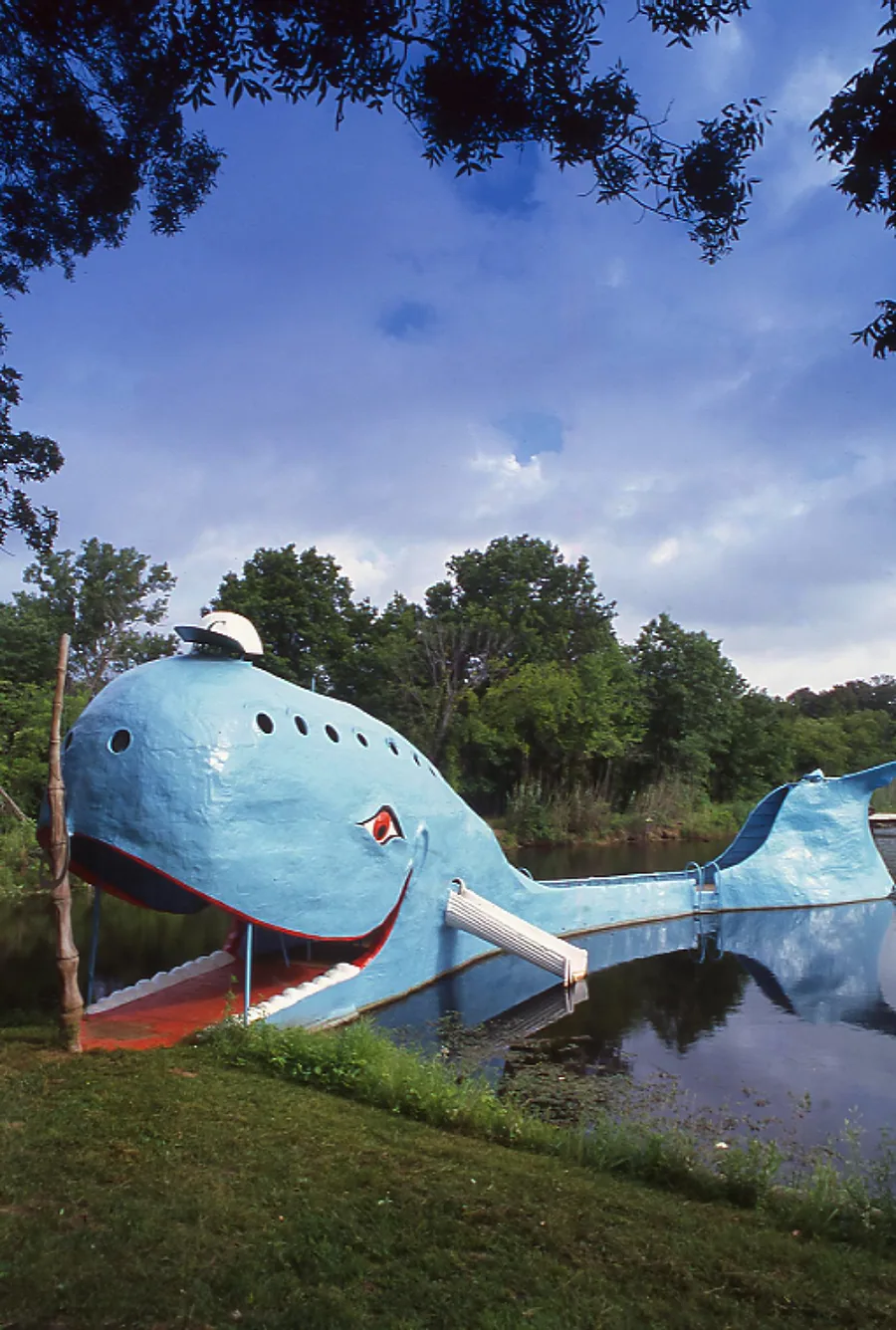
Tulsa Port of Catoosa covers 2,000 acres as an industrial park, barge port, and rail-transload facility. More than 50 companies operate there, and available greenfield sites support industrial, manufacturing, and transportation uses. For a roof project, the building identifier and facility contact set the access route, staging area, and work boundary. We confirm the property and access route, inspect the actual surface, drains, seams, penetrations, and edges, then document interior reports. A roof condition inspection gives the property contact a specific basis for repair planning.
Coordinate roof access with freight movement
Because rail transload and barge activity share the property, the facility contact confirms how the assigned building receives materials and which freight routes stay active during roofing work. We ask the site contact to confirm gate procedures, check-in, truck access, lift placement, roof entry, and any route that must stay clear. The staging area should be agreed before equipment arrives, especially if a delivery path crosses a working part of the property. We record the agreed route, access window, and perimeter with the inspection notes.
The port's target industries include metals fabrication, agricultural storage and transport, chemical manufacturing, and general manufacturing and assembly. At the assigned building, the facility contact identifies active processes, roof equipment, and access controls that affect the work window. Before opening a roof area, we set the crew route, material path, and protection below the work. An occupied-facility reroof sets a protected work zone around confirmed access, staging, and active freight routes. The Port of Inola is another Tulsa Ports property with separate transport and development details; its access plan is not interchangeable with Catoosa's.
Set a weather limit for each work shift
Spring is the Tulsa area's wettest season, and showers or thunderstorms can interrupt membrane preparation and open-roof work. Before removal begins, we set the size of the area that can be protected, the temporary cover, and the point where the crew stops if rain approaches. When the surface is damp or contaminants prevent a proper bond, permanent work waits until the roof is ready. At shift close, we tell operations which roof zone is dry and secured, what remains open, and when the crew will return.
Tulsa-area hail can occur in any season, with the strongest reporting in spring and impacts that vary by location. We inspect the assigned building after a regional hail report and record visible impact, water entry, or displaced details before recommending repair. We photograph the actual roof and note punctures, displaced metal, compromised flashing, or interior water where present. The storm response inspection separates protective work from a permanent repair scope. Late July through early September often brings Tulsa-area readings of 100 degrees or higher. Heat can affect roof safety, adhesive or coating preparation, and the length of a workable shift.
Keep each building's findings on its own map
A port contains many properties, but an individual roof needs an individual inspection record. We identify the building in scope, determine the installed system, and document seams, flashing, drains, curbs, edge metal, penetrations, and prior repairs. If an interior leak is reported, we compare the room location with the roof zone above it and note any barrier to tracing the path. When insulation or deck condition cannot be confirmed visually, we recommend a survey or test opening only if it can settle a scope question. The roof condition report gives the owner a photo trail for the next decision.
The port contact supplies each building identifier, so photographs and findings can be attached to the correct roof rather than grouped by tenant count. We label each observed area by address or building identifier supplied by the owner and note any part of the roof that was inaccessible. If the port contact needs a portfolio view, separate building records can later be compared without treating them as one system. Similar care applies to Creek 51 Business Park, where industrial zoning and listed utilities are specific to that development. The port's target industries shape the questions we ask, while the roof surfaces supply the evidence.
Choose work from the evidence at the address
A localized seam or flashing failure can be repaired when the surrounding assembly is sound and the work can terminate on stable material. A wider pattern of wet insulation, repeated leaks, or deteriorated edges may call for testing or renewal planning. We identify the observed defect, outline the repair area, and separate unknown conditions from confirmed ones. A bounded repair recommendation can resolve one problem while a larger project is assessed on its own merits. If an overlay is being considered, the existing layers, attachment, drainage, and deck are checked before the option is presented.
Cost and timing reflect roof entry, lift or crane access, staging, process restrictions, removal depth, disposal, moisture, deck repair, edge details, and weather stops. The facility contact confirms which freight routes remain open and the work window for the building in scope. We confirm material availability and delivery timing against the specified roof system, then match the delivery slot to the active freight schedule. Where a property is used for manufacturing or storage, the owner identifies clearance and continuity requirements. Our industrial storage roof review can help define the considerations, while the final scope remains tied to field findings.
Leave operations a direct status report
At handoff, we list inspected roof zones, completed protection, and any test or access step that remains open. If work stopped for weather, the report identifies the secure area and the remaining repair. We also state which delivery or operations limit shaped the work plan, so the port contact does not need to reconstruct the sequence later. Any temporary cover receives a location and follow-up condition. These details make a report usable by maintenance and operations staff even if the next roof decision is handled by someone else.
To plan a visit, share the building identifier, gate and escort instructions, active freight routes, staging restrictions, roof access, and any leak reports. We will confirm the inspection route and a weather window with the site contact. Barge and rail activity shape the site's freight calendar. If multiple facilities need work, send the building list and priorities so we can sequence visits, confirm each access route, and give operations a separate roof status for every property.
The port district’s industrial, barge, and rail-transload functions create a range of site controls, so inspection details should be coordinated with the individual facility. We confirm the property contact, check-in requirements, access route, and any limits on photography or roof entry before dispatch. The 2,000-acre district and its many operating companies do not share a single roof condition or access policy. At the assigned building, we record the roof section, observed surface and drainage conditions, and any limitation that prevented a complete review. If a repair is recommended, its staging footprint and work hours should be approved with the operator. The closeout identifies the inspected structure and exact work boundary, helping operations staff route the finding to the right maintenance owner.
Commercial Roofing Questions
Do the port's acreage and tenant count tell you how many roofs are present?
No. They describe the industrial park and its companies, not a roof inventory. We confirm each building with the site contact and keep its condition record separate.
Can roof work be coordinated with rail or barge activity?
We coordinate access, staging, and work hours with the facility contact, who confirms active freight routes and any operational restrictions before equipment is brought in.
What if hail was reported in the Tulsa area?
We inspect the specific roof and photograph observed conditions. A regional report does not establish impact at a particular port address.
What determines whether a repair or replacement is recommended?
The assembly, extent of damage, moisture, attachment, drainage, and condition of the adjacent material guide the recommendation. We document those findings and list any needed test.