Bixby
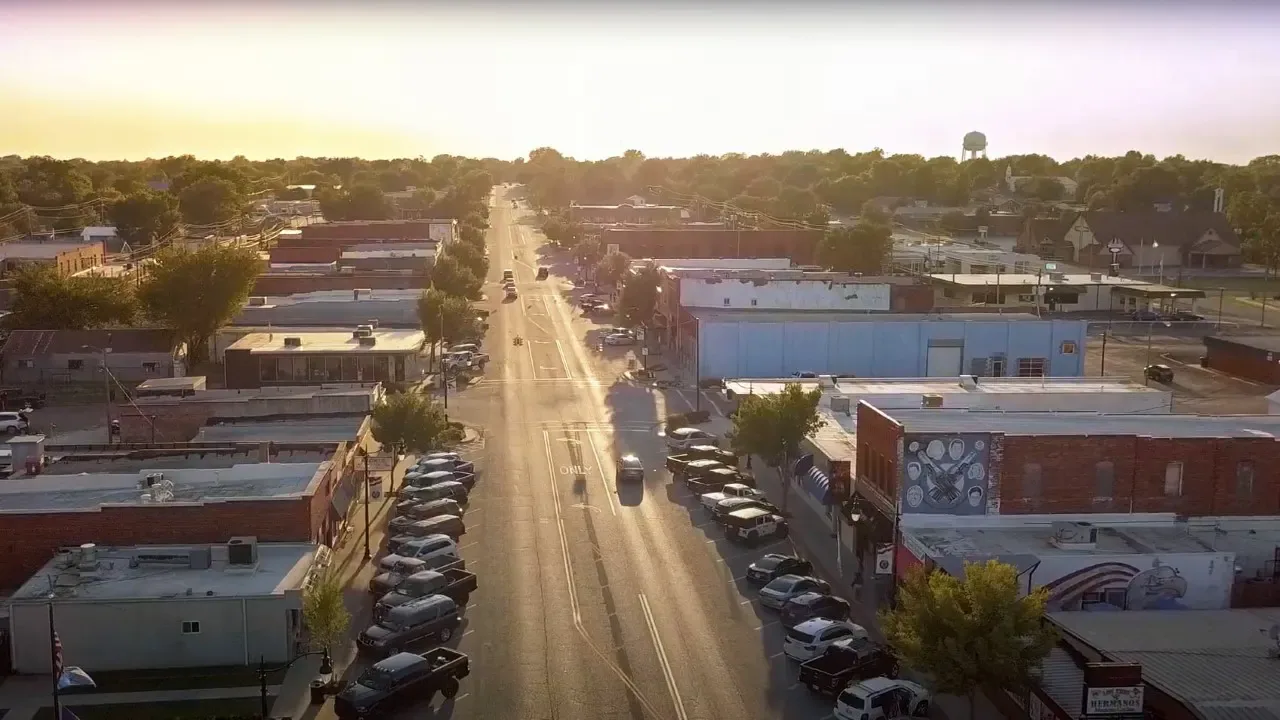
Bixby sits immediately adjacent to south Tulsa. Bixby planning points to potential commercial growth along the Arkansas River, with regional access via US-169, US-75, and state highways 64 and 67. We confirm the building and access route, then document drainage, seams, edges, penetrations, and interior reports before recommending work. A commercial roof inspection gives the owner a clear condition record before repair, restoration, or replacement is considered.
Treat highway access as a planning input
US-169, US-75, state highways 64 and 67, and nearby air and port connections shape regional access around Bixby. Before mobilization, the property contact confirms the correct entrance, delivery window, roof access, and any gate or escort requirements. We set staging to keep service drives and occupied entrances clear under the agreed site plan.
For a project near the Arkansas River, we coordinate roof drainage, penetrations, equipment layout, and access with the design and facilities teams as plans develop. Creek 51 Business Park is a nearby industrial setting where highway connections also shape material delivery. In either location, the facility contact confirms current receiving and roof-entry rules before equipment arrives.
Route planning extends to the last turn at the property. We check truck clearance, turning space, lift placement, material drop, and the path workers will use to reach the roof. If access passes through an occupied area, the facilities contact approves a protected route for tools and removed materials. The visit record keeps gate instructions and delivery limits available for any return trip.
Sequence work for rain, hail, and heat
Spring is the wettest season across the Tulsa area, bringing frequent showers and thunderstorms. Before opening a roof, we set a section limit, temporary cover, and clear stopping point for the shift. We monitor conditions as work proceeds and protect the interior if rain threatens. If a damp surface delays permanent seam or flashing work, the handoff records which area is secured and when it can be prepared for repair.
Tulsa-area hail occurs throughout the year and peaks in spring, with impacts that can be localized. We inspect for punctures, edge movement, cracked details, or water entry, then photograph each condition by roof zone. A storm repair inspection separates emergency protection from permanent work. From late July into early September, Tulsa frequently reaches 100-degree heat, which can limit safe roof access and production hours.
Read the roof before matching a solution
Commercial properties in the same market can carry different assemblies. We identify the membrane, metal, or other surface and inspect seams, fasteners, edge metal, drains, curbs, and wall transitions. The owner's interior report is compared with roof areas above and around it, since water may travel before reaching a ceiling. Where moisture or deck condition remains uncertain, we identify the test that could resolve it. A condition report with photos gives the owner a map of observed findings.
Potential commercial development along the Arkansas River gives owners a reason to coordinate roof drainage, transitions, penetrations, and equipment layouts early in design. For an existing facility, recommendations follow the assembly and conditions found during inspection. Coweta's Broadway District has a downtown street-level mix where storefront access and deliveries can shape the roofing work window.
On a membrane roof, the review follows field seams, perimeter terminations, curbs, and patches where movement or water may concentrate. On metal, we examine panel laps, fasteners, closures, and penetrations for loose attachment or failed flashing. Drain bowls, scuppers, gutters, and overflow paths are checked against the reported leak area. That system-specific record helps distinguish a repairable detail from a condition that calls for moisture testing or broader renewal.
Compare repair and renewal with evidence
A localized defect may support a repair when the surrounding roof is sound and the detail can be closed on compatible material. A wider pattern of worn seams, repeated leaks, wet insulation, or deteriorated edges may justify testing or a replacement review. We define the boundary of each option, list the observations behind it, and identify what additional information could change the recommendation. A targeted repair scope can move forward without deciding the entire roof's future. Where coating or overlay is being considered, the existing assembly, moisture, drainage, and attachment must be checked first.
Cost and timing depend on actual access, work height, staging, tenant activity, tear-off depth, disposal, wet insulation, deck work, edge transitions, and the amount of roof that can be protected during a shift. Supplier availability and confirmed transport windows set material timing alongside access, work height, and staging. The owner receives the work sequence, weather assumptions, and repair boundary in writing. If a capital project is more appropriate than repeated local repairs, roof capital planning can organize the inspection findings for budgeting and scheduling.
A repair estimate identifies the detail, preparation, tie-in, and area of roof affected, along with any access equipment or interior protection required. If water has reached insulation or deck, opening the assembly may reveal work beyond the visible defect; the owner receives that condition and cost driver before the scope grows. A coating or recover review checks adhesion, moisture, drainage, and existing layers. Replacement planning adds removal, disposal, edge transitions, and a daily dry-in endpoint to the sequence. These options give Bixby property teams a basis for deciding whether to stabilize one zone or plan a larger capital project.
Keep the next decision tied to the address
Closeout records the roof zones inspected, conditions photographed, repairs completed, temporary protection, and items needing a return visit. If moisture or deck condition remains concealed, the report identifies the test or opening needed to settle the scope. The building record also retains access and delivery limits so a later crew can use the correct route and entry.
For owners managing several Bixby properties, separate roof maps and findings allow work to be prioritized by active leaks, verified moisture, assembly condition, and operating constraints. We can group similar repairs for scheduling while keeping each scope tied to the building and roof section inspected. A daily plan defines the work area, the dry-in point, and any route that must remain open. If weather changes the sequence, the owner receives an update on completed work, temporary protection, and the next safe window. At completion, photographs connect each repair to the roof map and preserve a useful condition history for future maintenance or renewal planning.
Share the property address, roof-entry instructions, site contact, operating hours, delivery rules, leak history, and any interior areas needing protection. We will confirm access and staging, inspect the assembly and reported zone, and return a written scope with the next decision.
For a retail, office, warehouse, or light-industrial property, site operations shape where equipment and materials can be staged. We agree on hours, delivery access, and routes kept open before setting each roof section. The crew can then close one prepared area at shift end and hand off its status while another section remains untouched. A clear sequence helps the owner coordinate occupants, suppliers, and follow-up repairs without losing track of the roof areas already inspected.
Commercial Roofing Questions
Do Bixby's highway routes determine where roofing materials can be delivered?
They help with regional orientation, but each property's entrance, truck route, unloading point, and delivery window must be confirmed with the site contact.
Does the Arkansas River growth area describe my building?
No. The city identifies potential commercial growth along the river, not a specific property's current use, construction, or roof assembly. We inspect the address in scope.
What should a Bixby owner do after a regional hail report?
Arrange an inspection of the actual building and record any interior reports. We photograph observed roof conditions and keep regional weather history separate from property-specific findings.
What information helps you plan the first visit?
The address, roof entry instructions, operating hours, delivery limits, site contact, and leak locations help us confirm access, staging, and the inspection sequence.