Coweta
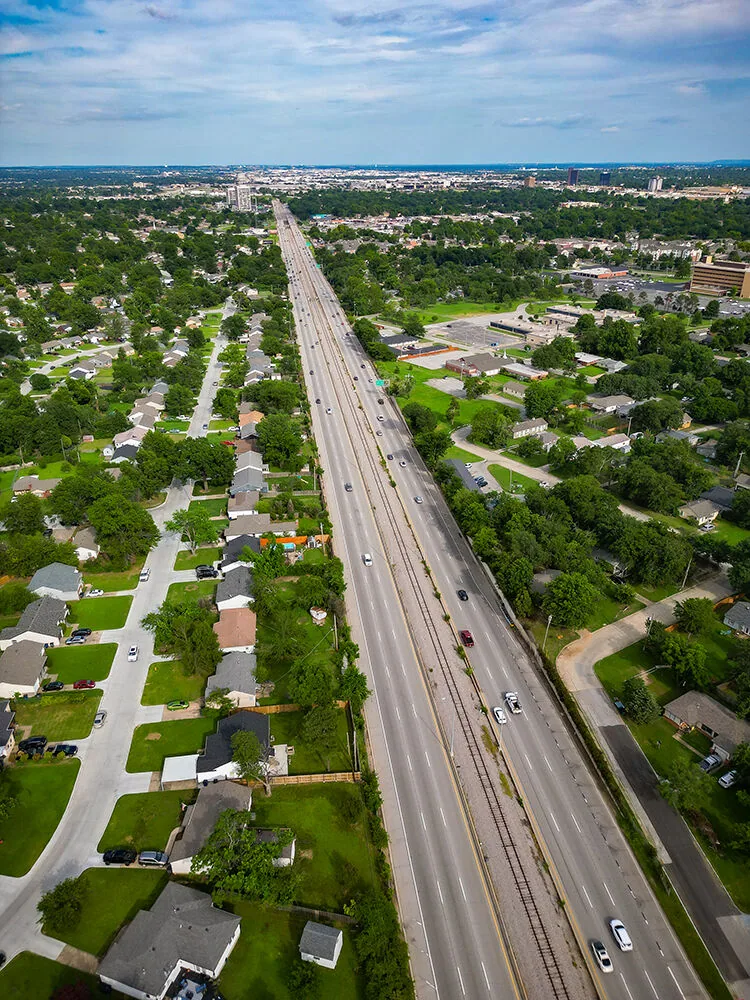
Coweta’s Broadway District and downtown core include mixed-use properties along Broadway Street from SH-51 to 151st Street. Retail and public uses occupy street level, with office or residential space possible above or below. We confirm the actual occupancy, roof assembly, and access for each building before setting a repair scope. A commercial roof assessment gives owners a clear record for the next decision.
Plan around the building's occupants
A street-level retail or public use with offices or residences above calls for a different coordination plan than a detached single-use building. We confirm the actual occupancy, entrances, service route, roof access, and hours when noise or deliveries can take place. Coweta's Broadway District includes commercial uses in the village center. Before a visit, we confirm which unit and upper floor are in scope, current occupancy, and where material can be staged. The property contact sets those boundaries. We then choose a work route that protects the interior below and keeps access clear for the people using the building.
Along Broadway Street between SH-51 and 151st, the zoning framework includes a mix of uses. When more than one tenant or owner is affected, we define the roof zone, the interior area below it, and the person responsible for the daily handoff. A lift position, temporary barrier, or material drop can change which doorway stays open. The occupied-building sequence records those choices before tear-off. If several tenants share a roof, the proposal separates work zones, occupied rooms, and changes that require owner approval. In nearby Broken Arrow, the Rose District also has a mixed-use plan, but its street references and access conditions do not stand in for a Coweta property.
Set the repair window around Tulsa conditions
Spring is Tulsa’s wettest season, with frequent showers and thunderstorms. That affects repairs that need an open roof, a prepared seam, or new flashing over occupied rooms. Before removing material, we define a manageable work area, temporary cover, and stop point if rain approaches. Permanent work waits until a damp or contaminated surface can be properly prepared. Tulsa-area hail reports peak in spring, and hail can be localized. We inspect the reported property, photograph actual punctures, damaged flashing, displaced edge details, or interior water, and base the repair scope on what we find. Late July through early September often brings readings above 100°F, so we also plan safe roof access and work hours for the day’s conditions.
Connect an interior report to the roof above
In a mixed-use building, a ceiling report could come from retail, a public room, an office, or a residence, depending on the actual occupancy. We record the room and ceiling condition, then inspect the corresponding roof zone and nearby transitions. Water may travel along a deck, insulation, wall, or penetration before appearing indoors, so the stain alone does not define the repair boundary. We check seams, drains, curbs, perimeter details, and any accessible mechanical penetrations, then note whether the evidence supports a localized fix or further testing. A photo-based roof report makes the result usable by owners and property contacts.
SH-51 and Broadway Street help plan the visit; the property contact confirms the entrance and staging location. We confirm entry instructions and roof access with the person responsible for the building. Coweta is seeking further retail and industrial development and tracks retail opportunity gaps. For each project, we confirm the current tenant, roof condition, and work hours with the property contact. The visit notes preserve that distinction. For comparison, Creek 51 Business Park is an industrial-zoned area; Coweta's Broadway District follows a mixed-use pattern of its own.
Choose a scope that fits observed conditions
A bounded repair is appropriate when the defect is identifiable and surrounding membrane, metal, insulation, and transitions can support a durable closure. If several areas show failure or moisture extends beyond one detail, a survey or selective opening may be needed before comparing renewal options. We state what the inspection confirms, what it cannot yet establish, and where each proposed repair stops. An isolated repair can be priced and sequenced separately from a commercial roof replacement evaluation. A recover option is considered only after checking drainage, attachment, existing layers, and compatibility with the proposed system. For a planned project, we can separate the base scope from alternates such as additional insulation, deck replacement, edge-metal upgrades, or access equipment. Each line should identify the roof area, preparation, material, tie-in, and closeout evidence included. That structure lets an owner compare proposals without treating different assumptions as equal. If a tenant fit-out overlaps roof work, the schedule should show who completes rooftop penetrations, who restores the membrane, and when the final inspection occurs. We also record exclusions and unresolved conditions so a later change can be tied to a specific finding rather than folded into an unclear allowance.
For Broadway's mixed-use pattern, timing may depend on which floors or storefronts remain occupied, where a safe perimeter can be placed, how materials reach the roof, and whether deliveries or public access must continue. Cost changes with access equipment, tear-off depth, wet insulation, deck repair, disposal, edge metal, and the number of details in the work area. For a property preparing for new tenants or a fit-out, we confirm the work boundary and access window with the owner before installation. The scope remains tied to the observed roof and the approved sequence. That record is the basis for comparing repair and capital work.
Carry the building record into the next visit
At closeout, we label each photograph by roof zone, note any interior location connected to the inspection, and identify repairs completed, protection left in place, and areas not reached. If a hidden condition remains uncertain, the report states what test could answer the question. For a mixed-use property, we also record any access limit that affected the work and who confirmed it. This gives an owner a practical maintenance record that can be shared with the next tenant contact or building manager without turning a single visit into a claim about every part of the structure.
To schedule a first walk, share the Coweta address, the building's current use, the site contact, roof entry instructions, hours or access limits, and any leak reports. We will confirm the route, staging needs, and weather window before arriving. If the property lies in the Broadway District, a street reference can help identify it, but the actual roof, occupancy, and access still need confirmation on site. The visit ends with a documented condition, repair boundary, and next decision that belongs to that building.
Commercial Roofing Questions
Does Coweta's downtown zoning establish a building's roof type?
No. The zoning code describes permitted uses and street-level patterns, not roof assemblies. We inspect the property and review available records before naming materials or recommending work.
Can roof repairs take place above retail or office space?
We coordinate access, hours, interior protection, and staging with the property contact. The schedule depends on the building's actual occupancy and weather conditions.
Does a Tulsa-area hail report confirm damage in Coweta?
It can prompt an inspection, but it does not prove impact at a specific address. Our report ties any repair recommendation to observed roof details and interior evidence.
What affects the cost of a Broadway District repair?
Access, occupied space below, work-hour limits, roof assembly, removal depth, wet insulation, deck condition, and edge details all affect scope. We confirm those conditions before estimating the work.