Acrylic Roof Coatings
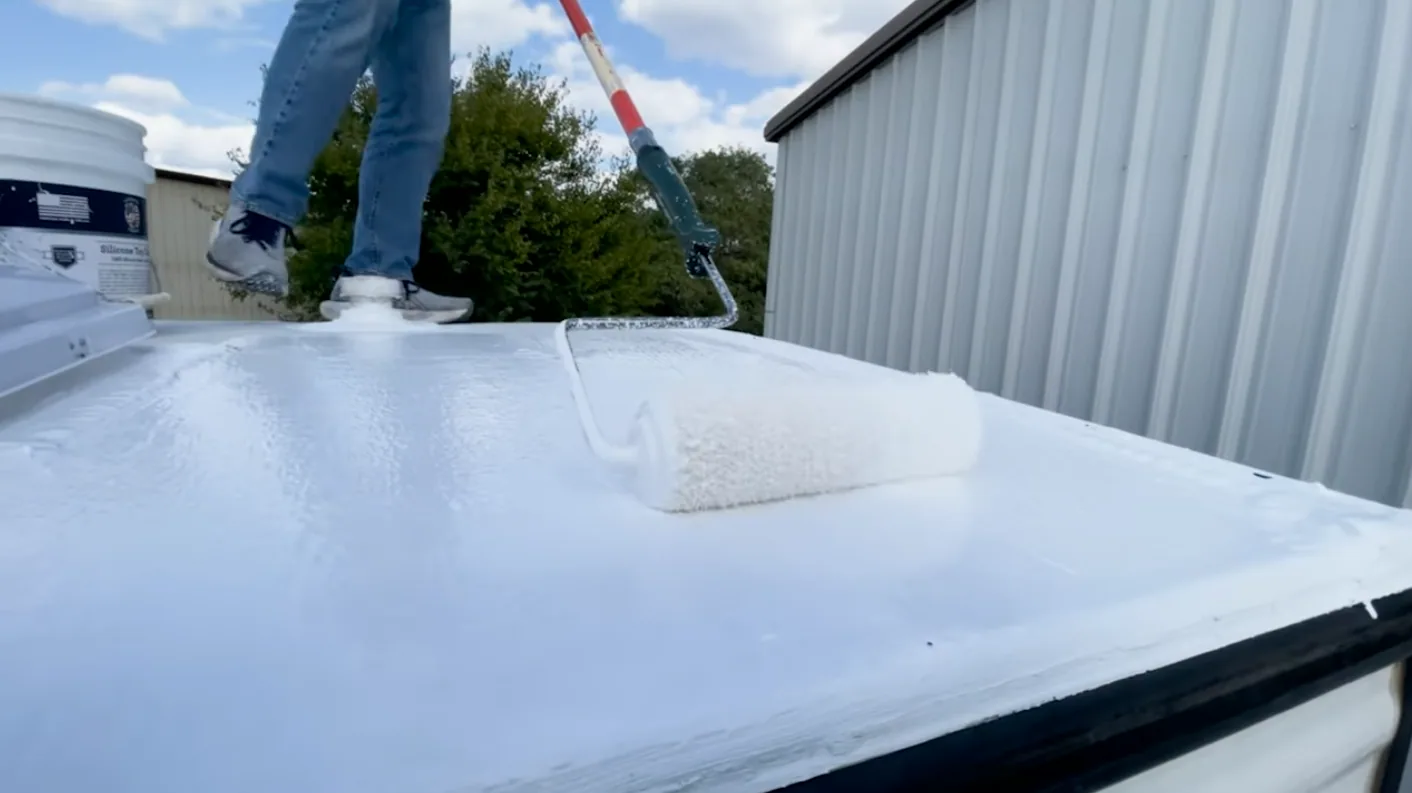
Before a water-based acrylic coating is applied, the roof needs a dry period long enough for preparation, installation, and cure. We begin by inspecting the existing surface, checking drains and low points, and reviewing interior reports so a new layer does not hide a separate failure. In Broken Arrow, OK, spring is the wettest season in the Tulsa area and brings frequent showers and thunderstorms, which can shorten the available application window. Acrylic coatings can provide a reflective, liquid-applied surface over a suitable roof, but substrate and drainage conditions govern whether they fit. A commercial roof inspection documents the assembly and identifies repairs that must happen first.
Check the existing surface first
Coating preparation starts with a sound, clean substrate. We inspect for loose material, chalking, blisters, open seams, punctures, wet areas, and prior patches that may affect adhesion. If the roof is dirty or the coating has failed at a detail, that condition needs correction before new material is applied. An adhesion test can help confirm whether the selected coating bonds to the existing surface. The work scope identifies cleaning, repairs, reinforcement, and coverage so the owner knows which areas receive each step.
At penetrations, wall transitions, drains, and edges, we inspect whether separate flashing or reinforcement is needed. A field coat does not replace a failed curb detail. We check product requirements and the roof assembly before selecting repair materials. An existing silicone coating may not accept an acrylic layer without suitable preparation and compatibility review, while a TPO membrane uses welded seams and a different repair method. System identification prevents a coating project from becoming a cover over unresolved membrane damage.
Resolve water paths before coating
Acrylic systems generally need adequate drainage and are less suited to prolonged ponding than silicone. We inspect low areas, drain bowls, scuppers, and any place where water remains after rainfall. If the roof holds water, we look for a blocked outlet, damaged slope, or depressions that require correction. A coating may follow the roof shape without correcting it. A ponding water assessment documents whether drainage or substrate work belongs before recoating, keeping the coating decision tied to how water moves across the roof.
Creek 51 Business Park occupies 85 acres at the Creek Turnpike and Highway 51 junction. For a roof visit in the industrial park, we confirm the assembly, drain discharge, and access route at the building. A drain and scupper review can identify outlets that need attention before preparation. If water has entered the assembly, we locate and assess the affected area rather than trapping moisture beneath a new coating.
Allow time for a suitable cure
Acrylic coating needs appropriate surface and ambient conditions during application and curing. We verify that the roof is dry, the forecast is suitable, and wind will not move spray beyond the work zone. A sudden storm can wash or mark material that has not cured, so the production sequence accounts for changing weather. Broken Arrow's wet spring makes scheduling around rain particularly important. Tulsa-area temperatures often reach 100 degrees or higher from late July through early September; we plan safe access and application hours around heat exposure and product requirements.
Before the material arrives, we set the preparation boundary, protect nearby equipment and air intakes, and confirm where workers can stage. If an application window closes, we document completed work and protect exposed areas. A coating restoration scope can separate substrate repair from the field application. We do not hurry a coat over a damp roof to keep a calendar date. The building contact receives a clear update if weather changes the sequence, including what has been completed and what remains.
Reinforce seams and flashing details
Coating projects often involve more work at transitions than across the open field. We inspect seams, laps, penetrations, terminations, and edge metal, then determine whether reinforcing fabric or a separate flashing repair is needed. Existing loose coating is removed or prepared as specified, and any membrane failure is repaired before the liquid layer is installed. At metal edges or dissimilar materials, we confirm that the coating system can make a durable transition. A perimeter detail review can address loose coping, edge metal, or gutter conditions that need correction before coating.
Broken Arrow has manufacturing, healthcare, and retail properties. Shops at Aspen Creek is a mixed-use development with retail, multifamily, dining, and entertainment uses. For coating work there, we confirm delivery routes, customer entrances, roof access, and protection areas with property management. For a facility with production equipment or patient areas, a phased occupied-building plan sets notices and work zones while keeping critical routes available.
Compare recoat with restoration or replacement
Acrylic may be appropriate when the existing roof is sound, drains effectively, and can accept the coating after preparation. Localized defects can be repaired before application. Widespread wet insulation, poor adhesion, failing seams, or damaged deck may instead call for a broader restoration or replacement evaluation. We document those findings and compare a recover option only if the assembly, substrate, and applicable requirements support it. The report records conditions and unresolved questions, so the owner can decide what should be addressed now and what belongs in capital planning.
The project team confirms current permit requirements for the address and planned work before application or renewal. A coating does not remove the need to evaluate wind exposure, edge attachment, drainage, or fire requirements. A condition report provides photos and a scope record for future inspections. If the roof supports solar equipment or mechanical service, those penetrations and walk paths need to remain accessible after coating.
Keep coverage and maintenance visible
Closeout records the prepared surface, repairs, reinforced details, coating areas, and any excluded section. Photos identify drains and transitions that should be checked after the first weather cycles. We note when foot traffic can resume and which access routes remain available. A maintenance inspection can review wear, adhesion, drainage, and any previously repaired details before a small failure reaches the interior. New Orleans Street crosses Broken Arrow and connects with the Creek Turnpike near NSU's Broken Arrow campus; the building contact confirms the delivery entrance and roof access. Share coating history, leak locations, roof access rules, and occupancy constraints when scheduling, and we will return a clear application plan or explain why another option fits better.
Commercial Roofing Questions
What should an inspection confirm before acrylic coating is considered for a roof with persistent ponding?
Acrylic is generally a better fit where water drains adequately. We inspect low areas and outlets first and identify any drainage or substrate correction needed before discussing a recoat.
How do you know whether the existing roof will accept acrylic?
We check the substrate, prior coating, repairs, and moisture, then perform an adhesion test where appropriate. The work proceeds only when preparation and compatibility are understood.
Can you coat around active roof equipment?
Yes, after access, overspray controls, clearances, and service routes are planned with the facility contact. We identify equipment and penetrations that need protection or separate flashing work.
What happens if rain arrives before the coating cures?
We plan around the forecast and product requirements. If conditions change, the crew protects the work area, documents completed sections, and resumes when the surface and weather allow.
When should we choose replacement instead of another coating?
Widespread wet materials, poor adhesion, failing seams, or damaged substrate can shift the decision beyond a recoat. We document the condition and compare repair, restoration, and replacement options.