Sika Sarnafil Roofing Systems
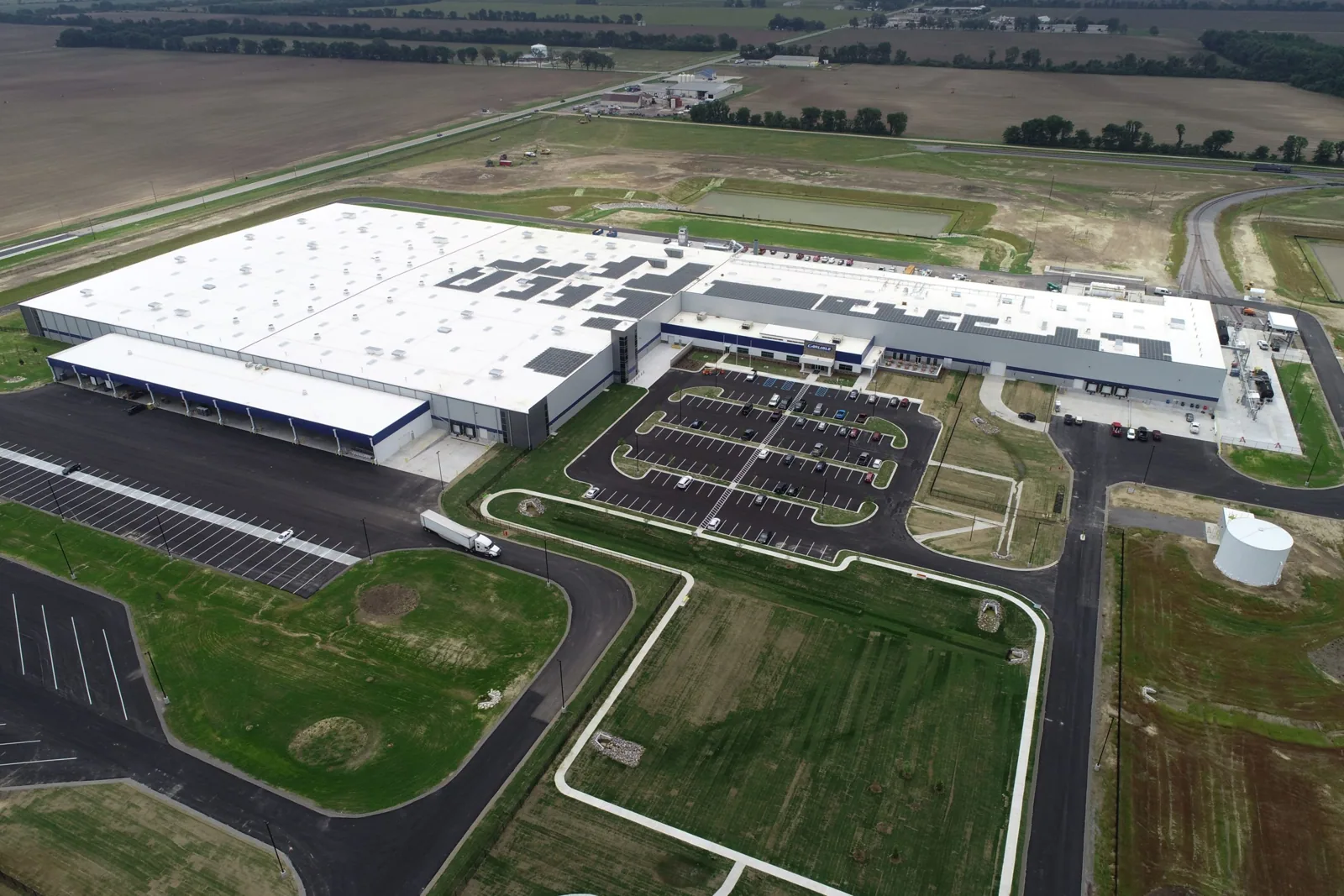
Spring hail reports are a reason to inspect a roof, but they do not establish that a Sarnafil membrane is punctured. We start with the roof itself: identify the sheet, photograph seams and transitions, compare reported interior areas, and protect any confirmed opening. Tulsa-area hail can be localized, with a spring peak in the record, so a nearby storm does not substitute for a property-level review. Broken Arrow's major institutional roof portfolios include Ascension St. John Broken Arrow and Northeastern State University's campus on New Orleans Street. For each occupied property, the facilities contact confirms roof entry and ground-protection requirements before we set a work window.
Identify the PVC configuration
Sika Sarnafil commercial systems include PVC membranes, with configurations that can be adhered or mechanically attached. Product families and reinforcement differ, so we document the existing membrane and the project specification before recommending a repair. A site visit checks the sheet, seam pattern, corners, penetrations, wall flashings, drains, edge terminations, and earlier patches. The inspection notes whether an opening appears isolated or whether related seams and details need a wider review. A product family is useful only when tied to the assembly actually installed.
PVC seams are hot-air welded. The installer prepares the membrane surface, checks the weld on a test area, and maintains consistent temperature and travel along the joint. Mechanical attachment and adhered work create different inspection points at fasteners, plates, substrate, and bonding surfaces. We explain those distinctions in the scope. PVC membrane construction and KEE roof assemblies use different membrane formulations; we verify the installed product and follow its specified repair method.
Read the transitions in sequence
A roof review follows the water path from reported room to roof detail. We check the field membrane, then the curb, wall, drain, or edge where a change in plane can interrupt continuity. Water may travel beneath a sheet before it appears at a ceiling, which is why we mark observations and avoid treating the stain as the exact entry point. If moisture is suspected below the membrane, a visual survey alone may not confirm its extent. We record the next test needed and keep that uncertainty visible in the recommendation.
Zeeco's Global Technology Center combines combustion research and testing with manufacturing activity. At an operating plant, the property contact identifies production zones, escort instructions, and equipment clearances before our visit. For any occupied plant, a documented roof inspection makes a clear record of where the crew could travel, what was visible, and which areas still require access.
Select a realistic installation window
Broken Arrow's spring weather can interrupt a roof project with showers and thunderstorms. Before opening a section, the plan identifies how much area can be completed and secured during the shift, what temporary dry-in will be used, and when work stops if conditions change. Welding requires a suitable, prepared membrane surface. If moisture reaches a seam or substrate, permanent installation waits until the affected area is ready. Emergency protection may happen first, but its limits are recorded separately from the repair that closes the detail for the long term.
Heat affects access planning as summer advances. Late July through early September brings recurring Tulsa readings of at least 100 degrees Fahrenheit. We schedule work, material movement, and breaks with the facility contact, and we follow the product installation requirements. A temporary response can protect an active leak while a separate inspection defines permanent scope. That sequence is especially useful when interior operations cannot pause simply because weather has changed.
Keep assembly choices tied to evidence
Repair suits an isolated defect when the surrounding PVC and substrate are sound, the damaged area can be prepared, and the seam or flashing detail can be closed. Replacement becomes more likely when the membrane is broadly deteriorated, moisture is distributed, repeated repairs overlap, or attachment and details have failed across multiple zones. Recover is reviewed against the existing roof layers, drainage, deck, and assembly requirements. We describe why each path does or does not fit the observed conditions; coating is considered only when the surface is suitable and moisture concerns are resolved.
The proposed system has to account for insulation, cover board, attachment, edge metal, penetrations, rooftop equipment, and the work area below. Those items drive scope, staging, cost, and sequence. A replacement plan sets tear-off limits and dry-in steps. For owners comparing manufacturer options, Carlisle SynTec assemblies and GAF commercial membrane choices can be reviewed against the same project requirements. We keep the assembly criteria consistent so that price comparisons reflect the same building conditions.
Record what the next crew needs
Closeout identifies repaired zones, new membrane areas, open observations, and deferred work affected by weather or access. Photographs connect each item to a roof area, which helps the maintenance team check drains, seams, and terminations on later visits. If equipment work or tenant changes occur after installation, the record provides a baseline without assuming that the roof remains untouched. We hand the record to the site contact and explain which follow-up needs a scheduled inspection rather than an immediate repair.
PVC roof repair requires attention to the specific membrane and its welded details. We check seam condition, surface contamination, sheet movement, penetrations, drains, and any prior patch before deciding whether a new weld can tie into sound material. A repair may need a test weld or sample when the existing sheet's condition is uncertain. Flashing transitions deserve their own review because an intact field seam does not prove that a curb or wall termination is secure. We also identify whether coatings, adhesives, or incompatible patches cover the original surface. Those materials can change preparation and bonding requirements. Where an owner is comparing a localized correction with a broader PVC renewal, we map wet insulation, drainage, attachment, and edge details before pricing alternatives. The installation record identifies the membrane actually used and the work area completed. If product records are missing, we state that the field inspection informed the repair decision and keep any unconfirmed product history out of the recommendation. That makes the next visit easier to plan and the repair boundary easier to verify.
Broken Arrow's Creek Turnpike provides regional access to commercial and industrial locations, but delivery entry varies by building. For a campus or operating facility, the owner confirms loading routes, escorts, roof keys, and areas that must remain open. The Creek 51 business district sits near the Creek Turnpike and SH-51 junction, making it a useful dispatch reference; it does not set a rule for any particular roof. A photo-based condition record keeps those confirmed logistics and roof observations together for the next decision.
Commercial Roofing Questions
How can I tell whether the membrane is Sarnafil PVC?
We inspect the seam method, surface, flashing, repair history, and any available product records. If those do not establish the material, we document that limit and verify before specifying a compatible repair.
Does a hail report mean the PVC roof needs replacement?
No. The report is a prompt to check the property. We photograph actual punctures, seam or edge changes, and interior effects, then separate local repairs from any broader assembly concern.
What changes between adhered and mechanically attached systems?
The attachment method changes the inspection points, substrate requirements, and installation sequence. We verify the deck, insulation, perimeter, and project specification before including either configuration.
Can the inspection include a repair estimate?
Yes. We document the visible conditions and define the repair boundary where possible. If moisture or an inaccessible area needs further testing, the estimate identifies that step before a permanent scope is finalized.