GAF Commercial Roofing Systems
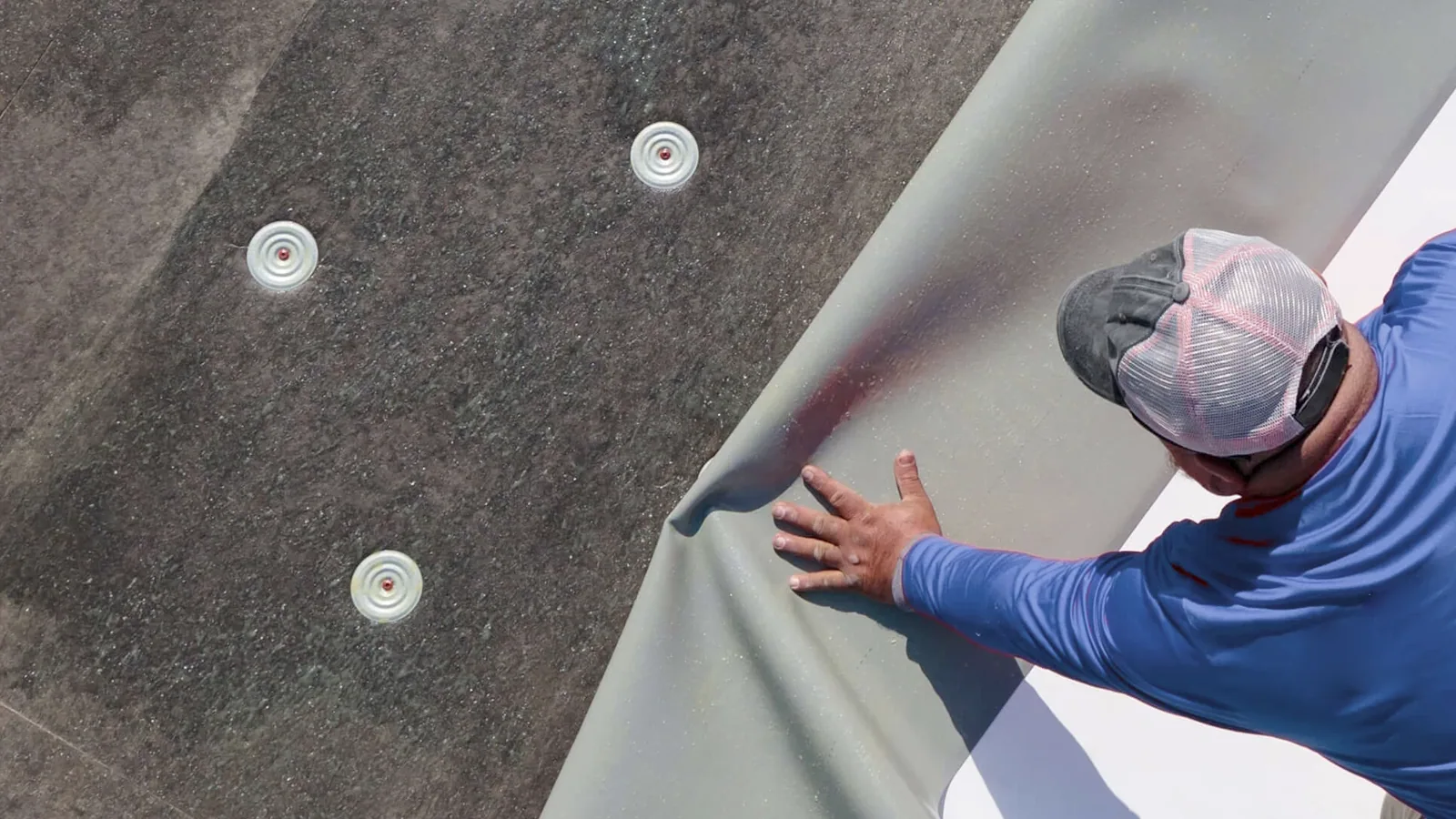
Spring hail and late-summer heat put different questions on the same commercial roof. Before choosing a GAF assembly, we document the existing membrane, deck conditions where visible, perimeter details, rooftop equipment, and any interior reports. In Broken Arrow, OK, Tulsa-area hail has been reported in every season; spring has the highest concentration, and one property can be struck while another is missed. We inspect the assigned roof and document what is present before setting the repair boundary. At Creek 51 Business Park, access near the Creek Turnpike and SH-51 junction may shape the visit, while each building's gate and roof entry still need confirmation. A commercial roof inspection sets the repair boundary before material selection.
Start with the existing assembly
GAF's commercial range includes thermoplastic membranes such as TPO and PVC, along with other low-slope system choices. Those names do not identify what is already installed. A side-by-side review can also include Carlisle SynTec membrane options when an owner is comparing specified assemblies. We check visible markings, seam behavior, edge construction, penetrations, drainage, and prior repair materials, then record any area that needs closer testing. A membrane that appears similar from the roof hatch can call for different preparation or compatible flashing products. On a working plant or distribution building, the inspection route also accounts for exhaust, intakes, electrical equipment, and active loading areas below.
Where TPO or PVC is under consideration, the attachment plan matters as much as the sheet. A system may be mechanically attached, adhered, or configured for another approved assembly, depending on deck, insulation, wind design, and project requirements. The owner should see those decisions in the scope rather than a material name alone. We compare the existing roof layers and edge details, then coordinate any needed insulation and cover-board work with the membrane sequence. That keeps tear-off, substrate review, and dry-in steps in view before a weather window is selected.
Read the seam and perimeter
Thermoplastic seams are heat welded, so a sound field joint depends on clean surfaces, consistent machine settings, and a test weld before production begins. During an inspection, we look for open edges, fishmouths, patches crossing old repairs, and details where the membrane meets a curb or wall. A leak at a penetration can travel below the visible surface before reaching an occupied room. We compare exterior observations with the reported interior location and photograph both sides of the repair boundary. If the material is too wet or dirty to evaluate, that limitation changes the next visit, not the conclusion.
Broken Arrow's spring showers and thunderstorms can narrow the time available for open-roof work. The work plan separates tear-off areas into manageable sections, identifies how temporary protection will be secured, and sets a stop point if rain approaches. Perimeter edges need their own review because wind pressure and water entry can concentrate at corners, coping, and transitions. We document those items alongside the field membrane rather than treating them as accessories. For a roof with active damage, wind-related edge and membrane repairs can be scoped separately from a larger replacement decision.
Keep operations in the sequence
A manufacturer assembly still has to fit the building's access and occupancy limits. The visit confirms where material can be staged, which doors or loading areas must stay clear, and whether noisy work conflicts with production or patient care. The Tulsa Tech Broken Arrow Campus includes manufacturing, vehicle-service, and health-science programs. At an institutional or industrial property, the facilities contact identifies active zones and restricted hours; we sequence roof access and ground protection around those instructions.
For a multi-building owner, the first roof does not establish the condition of every other building. We record each assembly, repair history available to the team, drainage observations, and remaining questions as separate entries. That lets an asset manager compare near-term repair, recover, and replacement work without mixing unlike roofs. A photo-based condition report can show which observations are confirmed and which need testing. Where several roofs share the same system, the record also gives maintenance staff a practical baseline for tracking new seam openings or surface damage over time.
Choose a scope that can be checked
Repair is reasonable when the surrounding membrane and substrate remain suitable and the defect has a definable edge. Replacement becomes a stronger candidate when deterioration, moisture, repeated repairs, or detail failures extend beyond isolated locations. Recover work depends on the existing layers, drainage, deck condition, and applicable assembly requirements; a coating is a separate option only when the surface and system are suitable for it. We explain which conditions support each path and what remains unknown. We select the GAF system only after the roof findings support its assembly and detail requirements.
Project cost and duration follow the actual scope: access equipment, tear-off depth, wet insulation removal, deck repair, edge metal, penetrations, staging, and weather delays all matter. We make those components visible before work starts and identify the sequence for temporary dry-in, new insulation, membrane installation, and detail closeout. For a thermoplastic option, TPO assembly details are compared with the installed layers, while a roof recover evaluation determines whether another layer is appropriate. The final choice should be tied to observed conditions and the owner's operating calendar.
Close with a usable handoff
At closeout, we document completed areas, identify any deferred work, and leave the property contact with the repair locations and maintenance observations. If heat is forecast, adhesive and membrane procedures still follow the selected assembly's requirements; hot conditions do not excuse rushed detailing. Tulsa-area temperatures frequently top 100 degrees Fahrenheit from late July into early September. That makes shade, crew access, material handling, and daily work windows practical planning items for a roof project. We coordinate the schedule and protect interior operations as the scope permits.
Zeeco's Broken Arrow Global Technology Center includes combustion research and testing alongside manufacturing. At a facility with active process equipment, we confirm roof access and clearance with the facilities contact before staging. We inspect the named building, record its assembly, and link each recommendation to a visible or tested condition. If the owner needs a broader portfolio plan, a Johns Manville system comparison can organize current findings by urgency and next decision. The handoff should leave the facility team able to locate the work and understand what should be watched after the next storm.
Commercial Roofing Questions
Can GAF TPO or PVC go over the membrane already on the building?
The existing layers decide whether recover is suitable. We inspect attachment, moisture, deck condition, drainage, and edge details, then confirm that the proposed assembly fits the project requirements. If those conditions do not support recover, the scope needs to address removal or another documented approach.
What should the first GAF system visit establish?
We identify the existing roof, locate reported leaks, photograph seams and transitions, and confirm access and staging. The visit should also record areas that could not be evaluated so a later test or opening can be planned instead of assumed.
How does spring weather affect a membrane project?
Rain and thunderstorms can interrupt open-roof work. We plan the daily work area, temporary dry-in, and stop point before removing material, then resume only when the surface and weather allow the specified installation steps.
Can the roof work avoid disrupting an active facility?
We coordinate roof entry, ground-level protection, staging, and work hours with the site contact. The plan can preserve identified access routes, but the owner must flag operating constraints before crews and materials are scheduled.