Johns Manville Commercial Roofing
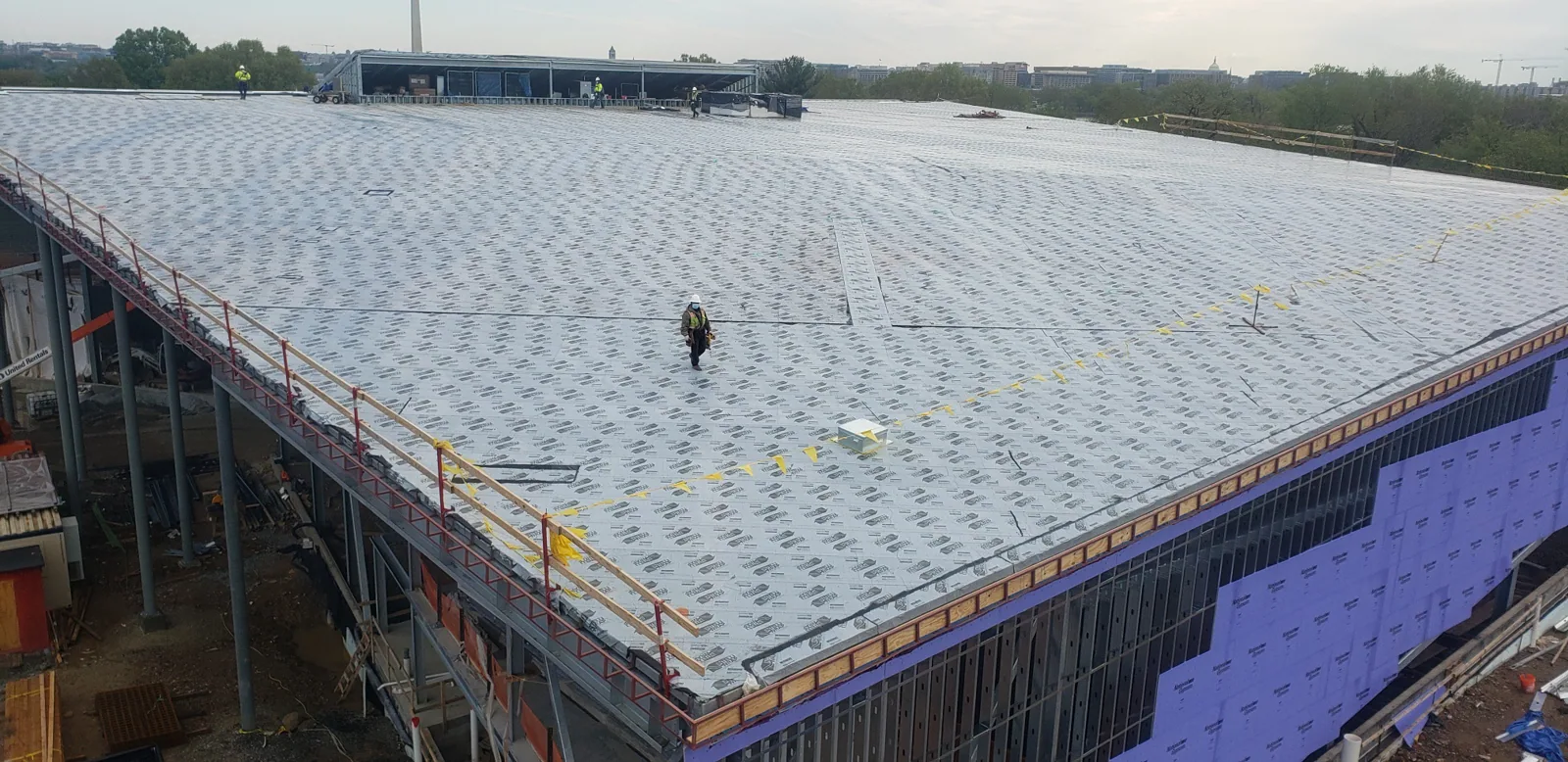
Spring storms can bring rain, hail, and wind; the first roof decision is where to inspect and how to keep water out while the surface is checked. We record membrane type, seams, edges, drainage, penetrations, and interior reports before discussing a Johns Manville system. National Weather Service records document tornado damage at or near Broken Arrow. We use that regional history to plan a thorough review, then document conditions observed at the property. That history supports careful inspection planning; it does not establish damage at a particular property. Zeeco's manufacturing and test operations show why access and active work zones must be confirmed for each visit; the broader Washington Street corridor has distinct properties and access plans.
Confirm which JM system is present
Johns Manville supplies commercial roofing options that include TPO, PVC, and EPDM membranes, along with related insulation and system components. The building record may name a system, but repairs still begin with the roof in front of us. We inspect the field sheet, seam type, flashing, curbs, edge terminations, drains, and visible patches. If a roof has been repaired by more than one method, we note those areas separately and check compatibility before selecting materials. A product-family name should not be treated as a field diagnosis.
Heat-welded PVC and TPO seams require suitable surface conditions and a consistent weld; EPDM work uses a different preparation and seam method. We identify the material first, then outline the repair detail in language the facilities team can check against the roof. Where the owner is comparing a heat-welded membrane, PVC system details can clarify the difference in seam work. The recommendation still follows the existing assembly, deck, drainage, and project specification.
Use the dry interval well
Tulsa-area spring is the wettest season, with frequent showers and thunderstorms. A repair crew needs a clean, dry surface for many membrane details, so the site plan identifies the active work zone, temporary dry-in, and a point to stop before weather makes the opening unsafe. If the roof is already leaking, we first secure temporary protection and document the affected interior area. Permanent work follows when the substrate and weather permit the specified preparation. This order keeps an emergency response from being mistaken for a complete roof restoration.
Late summer creates a different constraint. Tulsa's late-summer record shows recurrent temperatures reaching 100 degrees Fahrenheit or more between July's final weeks and early September. Material staging, rooftop access, adhesive handling, and safe work hours need to fit those conditions. We schedule inspection and installation around the building's occupancy as well as the weather window. An isolated repair scope can proceed while a broader replacement remains under review, provided the roof condition supports that separation. The visit notes the limitations that could affect a later return.
Inspect terminations as well as field seams
Membrane performance depends on details at walls, curbs, drains, penetrations, and perimeter edges. We follow each transition far enough to locate loose material, incomplete attachment, open seams, or a patch that ends before sound substrate begins. Interior observations help direct the inspection, but they do not replace a roof-side review. Photographs need enough context to identify the roof zone and the nearby detail; a close-up without location can make later maintenance harder. The report distinguishes visible conditions from anything hidden beneath the sheet.
For a replacement, deck type, insulation layout, cover board, fastener pattern, adhesive, edge metal, and wind design all enter the assembly decision. We list those components, and any test or tear-off observation still needed, before the final scope is set. The perimeter metal and coping cannot be treated as a last-minute accessory when it controls membrane termination. At the NSU Broken Arrow campus, the university's directions identify access from the Creek Turnpike and Broken Arrow Expressway. That regional connection is useful context for trip planning, while the actual building entry and staging instructions come from its property contact.
Keep the alternatives comparable
A repair remains a sensible candidate when damage is limited, surrounding material is sound, and the boundary can be marked. Replacement may fit when defects repeat across many details, moisture extends through the assembly, or earlier patches no longer leave a stable surface. A recover is evaluated against the existing layers, drainage, deck, and applicable requirements. Coating has a separate suitability test and cannot resolve wet insulation or failed attachment. We state the observations supporting each path and price the defined scope rather than implying that a manufacturer name makes one option automatic.
For the owner, the useful comparison includes removal, disposal, insulation replacement, deck repairs, access, penetrations, occupied areas, and the time needed for dry-in. The replacement sequence should show when each roof zone opens and closes. A photo condition record carries findings to decision makers. Where project documents permit multiple manufacturers, compare Carlisle SynTec assemblies and Soprema commercial roofing against the same specifications, existing conditions, and schedule constraints.
Leave a clear maintenance record
Closeout confirms which areas received repair or replacement, records any work deferred by weather or access, and identifies what the facilities team should monitor. The handoff includes the relevant roof zones, not just a material list. A maintenance visit can compare new seam openings, punctures, drain obstructions, and edge movement with the initial photographs. On an occupied facility, we also confirm that temporary barriers, staging, and access paths have been cleared before the site contact resumes normal use.
When comparing a Johns Manville assembly with an existing roof, we separate system selection from the condition assessment. The owner may have a membrane, insulation, or warranty record, but each document must be matched to the building and roof area. We inspect attachment, substrate, slope, drainage, perimeter details, and penetrations before considering a new assembly. If a proposed system changes height or fastening, we review its impact on drains, curbs, and edge conditions. Installation sequencing also depends on access, weather, and whether operations below can accept noise or temporary barriers. We document the installed assembly and project-specific details in the closeout package, then list maintenance items to check later. Any warranty term is recorded only when the owner provides the applicable written documentation.
Broken Arrow Public Schools reports 31 school sites and a substantial district workforce, which makes continuity across buildings a practical asset-management concern. Those figures describe the district, not a count of roofs needing work. Each school or support building should have its own inspection record and access plan. A portfolio roof schedule can keep dates and open decisions visible; an inspection near the district's Education Service Center still requires the facility's own roof entry instructions. We coordinate that handoff with the person responsible for the building.
Commercial Roofing Questions
Can Johns Manville membrane types use the same repair detail?
No. TPO and PVC seams are heat welded, while EPDM uses different compatible primers, adhesives, tapes, and patches. We identify the installed membrane and its condition before specifying preparation or repair materials.
Will a regional tornado record tell us whether my roof is damaged?
It establishes local storm exposure, not the condition of an individual roof. We inspect the property, compare roof observations with interior reports, and record any damage found.
What is needed before a replacement assembly is chosen?
We confirm the deck and visible layers, review drainage and edge details, and note any hidden condition that needs testing. The scope then identifies insulation, cover board, attachment, and termination components.
Can installation be divided by roof zone?
Yes, the work plan can sequence manageable areas with temporary dry-in and a weather stop point. The building's access, occupancy, and interior protection needs determine how those zones are arranged.