Commercial Roof Edge Metal and Gutters
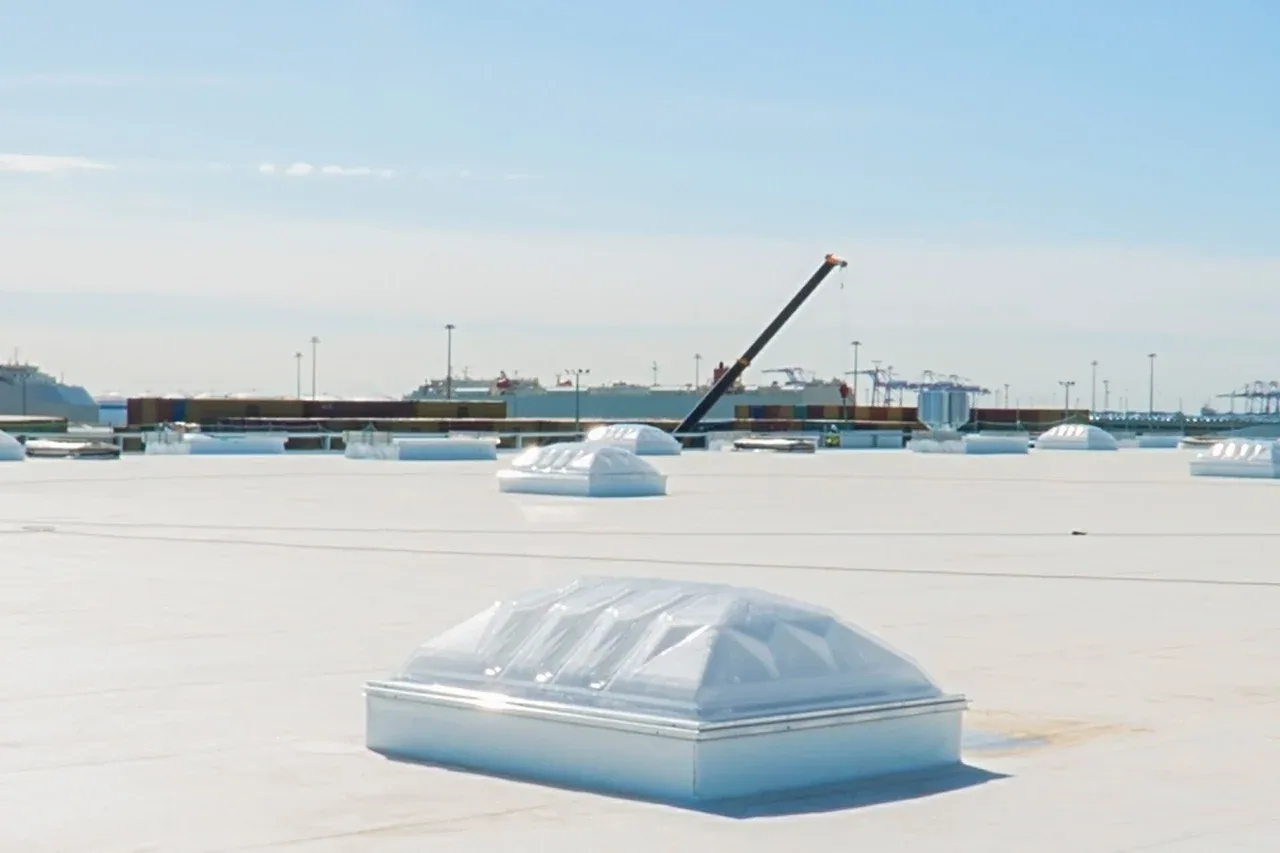
Early-summer wind can test a coping joint or edge condition before a leak appears inside. In Broken Arrow, OK, hail and damaging-wind reports are most common in spring and early summer, so we inspect perimeter details for movement, loose attachment, open seams, and water paths before selecting repairs. The first visit documents the roof edge, wall transitions, gutters, downspouts, and the interior areas below any suspected entry. A perimeter detail is part of the roof assembly: it must stay secured, direct water outward, and meet the adjoining membrane or wall without an exposed gap. We confirm access, staging, and occupied-area restrictions with the building contact, particularly where ladders or lifts could affect entrances. A roof inspection records current conditions; a repair scope can define the exact edge or drainage work. Properties near the Broken Arrow Expressway and Kenosha Street have different site layouts, so the route and protection plan are confirmed at each address.
Inspect the complete perimeter detail
We check coping caps, cleats, splice plates, fasteners, edge metal, fascia transitions, membrane terminations, and wall flashing as connected parts. A loose cap, open joint, or poorly sealed splice can admit water behind the visible surface, while a weak attachment can leave material vulnerable during wind. The inspection notes the direction of laps, condition of the substrate, evidence of movement, and any repair material that obscures the original joint. Where a membrane terminates at the edge, we verify how the termination is secured and whether the transition remains compatible with the roof system. Not every discoloration or sealant line indicates failure; the report distinguishes surface appearance from a loose or open detail. A wind-damage review can document displacement after severe weather, while permanent work follows the observed attachment and flashing conditions. When metal is removed, we also check what it covers: deteriorated wood nailers, wet insulation, or a damaged substrate can change the fastening method and the amount of work required. The replacement detail should hold the new metal securely and reconnect the roof membrane to the wall or edge. That concealed condition is photographed before it is covered, with any added work presented to the owner before proceeding.
Follow gutters to the discharge
A gutter is only useful if water can travel through it and leave the building at a controlled location. We look for debris, standing water, open seams, sagging, damaged hangers, leaking outlets, blocked downspouts, and discharge directed toward entrances or walls. The roof-side review checks how membrane edges and drip metal feed the gutter, including corners and transitions where flow can escape behind the system. Downspout connections are photographed where accessible, and restrictions are recorded separately from defects requiring replacement. If drainage begins at a roof drain or scupper rather than the eave, the drainage path assessment can include those components. The Shops at Aspen Creek has a mix of retail, multifamily, dining, and entertainment uses; at any similar mixed-use property, the actual discharge route and pedestrian areas need checking before repair or cleaning begins. We mark the work zone so debris and ladders do not create an avoidable access issue.
Secure the detail for local exposure
Broken Arrow's documented severe-storm exposure makes attachment and perimeter checks useful after wind, but weather history does not prove that a particular edge has moved. We look for displaced caps, fastener withdrawal, opened laps, bent metal, loose sealant, and a change in the membrane termination. The repair needs to account for the substrate and the fastening pattern, not just the visible piece. If concealed blocking or deck attachment cannot be verified, we identify the opening or access needed to confirm it before reconstruction. Around Creek 51 Business Park and the South Creek Turnpike commercial-industrial area, vehicle routes and equipment staging may affect how a perimeter repair is accessed; site-specific approval comes from the facility contact. A written storm assessment can keep before-and-after photographs tied to the edge location and repair boundary.
Plan safe work at occupied edges
Edge and gutter repairs may place ladders, lifts, or tools beside sidewalks, loading lanes, storefronts, and employee entrances. We identify the perimeter sections, establish where the crew can work, and protect people below before removing any metal. The staging plan includes roof access, lift placement, material storage, removal and disposal, and a route for water to continue draining if a gutter section is temporarily open. A building-operations plan can coordinate notice, restricted areas, and work hours when tenants or production remain active. The owner also confirms whether downspout outlets discharge to a site drain, splash block, or another managed area; that connection may require a separate trade if it is beyond the roof scope. At close of shift, all loose metal and fasteners are secured and the temporary boundary is identified for the next handoff.
Record the edge repair and water route
The completion record identifies the repaired roof edge, coping joint, gutter run, or downspout connection, with photographs before and after work. We note materials installed, adjacent details not included, and any attachment or substrate condition that needs another inspection. If repair is not sufficient because several sections are loose or the roof termination is broadly deteriorated, the owner can compare a larger replacement scope that includes perimeter details. A maintenance visit can recheck splice plates, outlet flow, and fasteners after weather exposure. For a property near the Rose District, sidewalk and storefront access may shape the visit, but the recorded work remains specific to the inspected building. The handoff closes with a clear repair limit, water-discharge note, and next action for the facilities contact.
Where a metal edge meets a membrane or wall, we check that water can pass toward the intended outlet without collecting at a corner or termination. Counterflashing, end dams, returns, and sealant joints may need a different detail from the coping cap above them. If gutter or outlet work changes the discharge path, we trace the accessible route and flag any buried site drainage that needs a separate inspection. At corners, end dams and laps should direct runoff toward a gutter rather than behind the fascia. If a lower outlet or buried drain is blocked, that condition belongs in the site drainage scope, not the metal replacement alone. We identify which trade has the next action before closing the repair. The owner receives photographs of the connected edge and any follow-up needed to keep the systems working together.
Commercial Roofing Questions
What causes water to get behind coping or edge metal?
Open joints, loose cleats, failed laps, poor membrane termination, or movement at the substrate can create an entry path. We inspect the cap and the connected roof and wall details before deciding where the repair starts and stops.
Can you replace only one gutter run?
Yes, when the adjacent sections, hangers, outlets, and roof-edge transition can remain. We inspect the full water path and record how a partial replacement will connect to existing material.
Should perimeter metal be checked after high wind?
A post-wind check can document visible movement or loosened attachment. Regional severe-weather history does not prove a specific building was affected, so the inspection records the actual edge condition.
Can gutter work proceed while entrances stay open?
We plan ladders or lifts, secure the work zone, and coordinate timing with the facility contact. If a route must close briefly, the owner receives the affected location and timing before work begins.
Do you inspect where the downspout releases water?
We document the accessible outlet and visible discharge route. If the connection continues into a buried site drainage system, that system may require separate inspection beyond the roof and gutter scope, coordinated with the property team.