Soprema Commercial Roofing
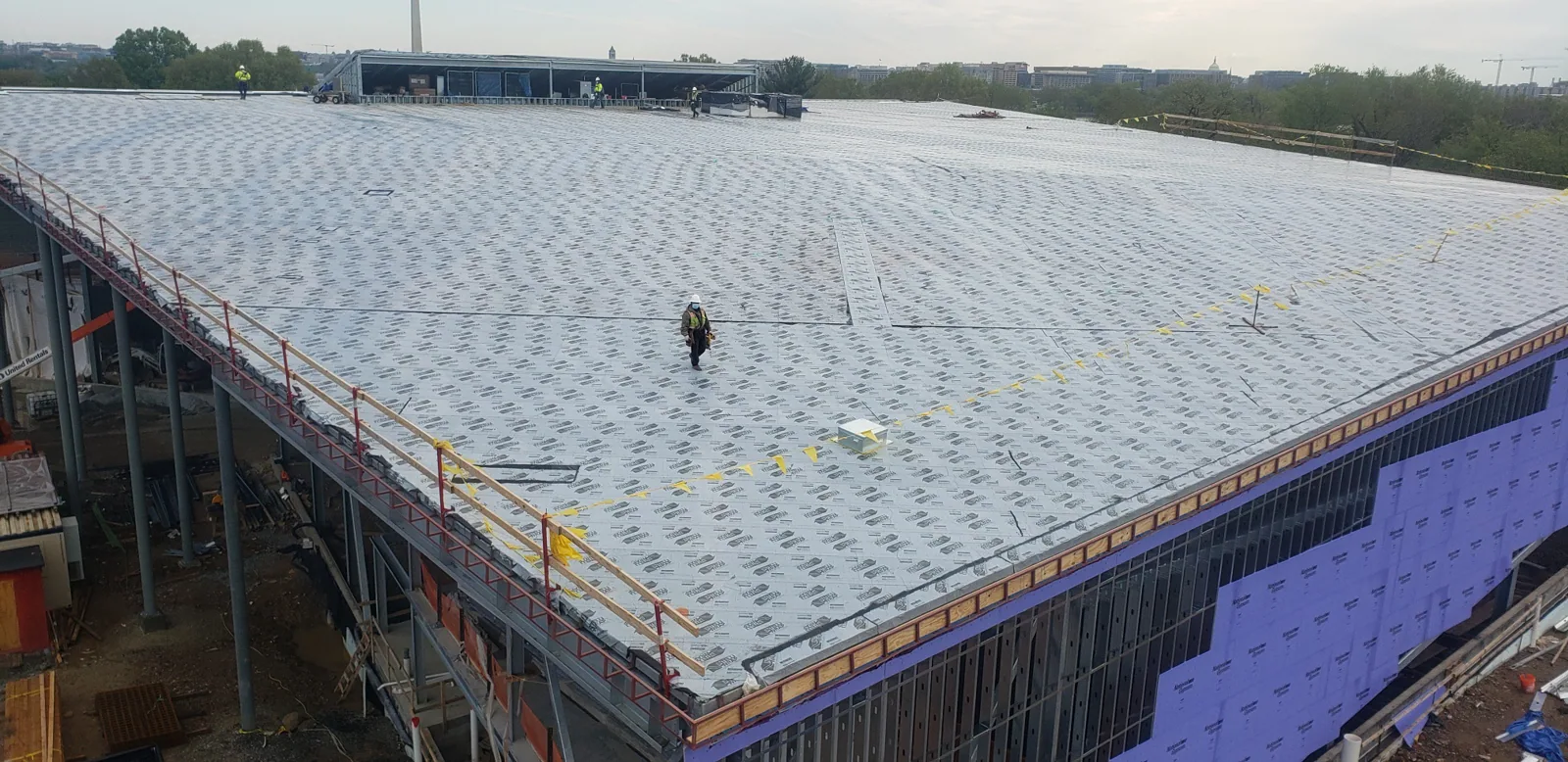
Spring rain can make it difficult to separate a membrane detail from a drain or moisture already held in the assembly. We inspect the field, seams, flashings, drains, and interior area, then document what remains unknown before choosing a repair. Broken Arrow, OK, shares the Tulsa area's spring pattern of frequent showers and thunderstorms, which can narrow the dry time for surface preparation. The Shops at Aspen Creek sit near Creek Turnpike and 161st East Avenue; we confirm loading, pedestrian routes, and roof entry with the property contact before staging work.
Keep the membrane type clear
Soprema offers commercial roofing products that include SBS-modified bitumen, PVC single-ply, and liquid-applied systems. These assemblies have different layer structures and repair methods, so we identify what the building has before a scope names a system. A roof may also contain several generations of work. We record membrane labels where visible, seam and cap-sheet construction, flashings, penetrations, drains, and previous patches, then note any location that needs testing or a small opening.
On modified bitumen, the repair has to address the affected ply and maintain continuity with the surrounding assembly. PVC details rely on compatible membrane and heat-welded seams; liquid-applied materials require a suitable, prepared substrate and dry conditions. The terms are not interchangeable. Owners can compare modified-bitumen roof layers with PVC seam construction before reviewing a proposal, while the inspection establishes what is actually present. We explain the repair material and preparation steps in the scope, including any substrate condition that changes the result.
Protect the work between storms
A roofing shift in a wet period needs a defined opening size and a temporary dry-in method before old material is removed. We plan the sequence so each section can be secured before the next weather change, and we identify the point where work pauses if rain or wind makes installation conditions unsuitable. If the leak is active, immediate protection and permanent repair are listed as separate tasks. The property team should know which area remains under temporary protection and what needs a return visit.
Tulsa-area hail reports peak in spring and can be localized, so we inspect the roof itself before defining storm work. We check for actual punctures, displaced details, or other observed changes and document the affected zones. A storm-damage assessment can tie photographs to the building and support a repair boundary. Where wet insulation or hidden deck issues are suspected, we identify the test required before selecting a liquid-applied restoration or a membrane replacement. The next decision should be based on that roof, not a storm map.
Review the layers below the surface
A replacement scope has to account for what sits under the visible cap or membrane. We check for loose surfaces, soft areas, drainage limitations, and transitions that may move with the roof assembly. A test cut or selective tear-off can confirm insulation and deck conditions where visual inspection cannot. Those findings affect whether the work can stay localized, whether wet material must be removed, or whether a broader re-roof is needed. We show the decision point in the proposal so the owner can review it before the crew expands the work area.
Alfa Laval's Broken Arrow heat-exchanger operation includes multiple buildings and coating, blasting, welding, and plasma-cutting processes. At an industrial property, we confirm roof assembly and equipment clearances with the facility contact before setting a work boundary. At a manufacturing site, we coordinate roof entry, exhaust or intake clearance, deliveries, and any work area that must remain active. A cover-board and insulation scope should be coordinated with the membrane layer, and drain and scupper review belongs in the same roof map so water management does not fall outside the replacement boundary.
Compare the work paths
A small puncture or isolated flashing failure may be repaired if nearby material remains stable and the boundary can be closed cleanly. Broader aging, recurring leaks, wet insulation, or multiple failed details can support replacement. Recover work depends on the number and condition of existing layers, deck, drainage, and project assembly requirements. Liquid-applied restoration is considered only when the roof is suitable and its moisture and adhesion questions are resolved. We describe those options separately and include the condition that would rule each one out.
Budget and schedule reflect removal, disposal, deck repairs, access equipment, edge metal, penetrations, insulation, staging, and the daily weather window. A replacement plan divides the roof into work zones with dry-in steps. An approved restoration scope may be evaluated for a compatible surface, but it is not a way to hide wet layers. If a project compares product families, Carlisle SynTec assemblies and Versico roofing systems should be measured against the same building conditions and performance requirements.
Record maintenance after the project
Closeout identifies the completed repair or replacement zones, the remaining observation list, and any item deferred for access or weather. Photographs should show enough roof context to locate each seam, drain, flashing, and edge. That record lets the facilities team compare the next inspection with the current condition rather than relying on memory. If the work included temporary protection, the handoff confirms that the permanent detail is complete and states whether another visit is needed.
Before specifying a Soprema assembly, we identify the roof layer that will receive the new material and the function each proposed component must perform. A liquid-applied flashing resin, a sheet membrane, insulation, and cover board solve different problems; they should not be treated as interchangeable because they share a project. We verify substrate condition, slope, drainage, penetrations, parapets, and attachment requirements from the project documents and field observations. If the roof is wet or the existing coating has weak adhesion, the scope needs a preparation or removal step before new material is applied. We also identify the transition between existing and new work, since a sound field installation can still fail at a curb or wall detail. Weather affects cure and adhesion, so each day's endpoint includes temporary protection for any opened area. The closeout records products actually installed, concealed details photographed before coverage, and any exclusions or substrate repairs authorized separately. Future maintenance can then distinguish original conditions from later changes without overstating the warranty or product scope.
Late summer brings frequent Tulsa-area readings at or above 100 degrees Fahrenheit. That affects safe roof entry and material handling, while spring storms can interrupt a separate work window. For a commercial center near Aspen Creek, tenant activity and delivery hours need to be established with the property team before staging. Broken Arrow's North Rose area includes office, commercial, and light-industrial uses, so we confirm roof access at the property in scope. A photographic condition report gives owners a practical record for repair follow-up and future budgeting.
Commercial Roofing Questions
Which Soprema system is on my roof?
We inspect the visible layer, seam or cap-sheet construction, flashings, and available repair records. If the assembly cannot be confirmed, we document what needs a test opening before specifying the material.
Can liquid-applied material go over a wet roof?
The substrate must meet the system's preparation and moisture requirements. We investigate wet areas first and identify removal or drying steps before proposing a liquid-applied scope.
Does a recover require removing the old roof?
Not always, but recover depends on existing layers, deck condition, drainage, and the proposed assembly. We inspect those items and document any test needed before confirming the scope.
How are occupied retail areas protected during installation?
We coordinate material staging, deliveries, pedestrian routes, roof access, and work hours with the property contact. The work plan sets temporary protection and a clear stop point if weather interrupts the shift.