College and University Roofing
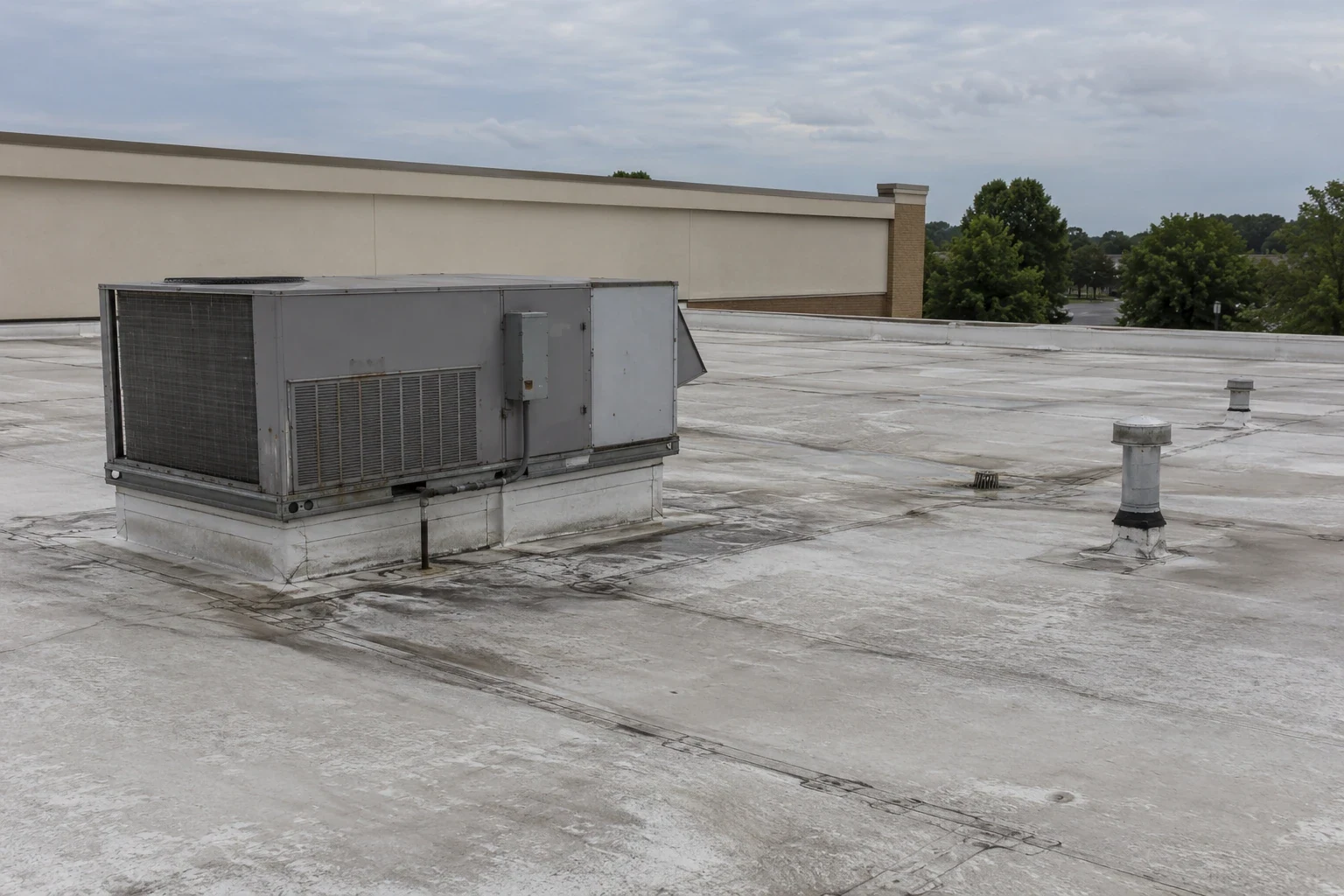
Campus summer access changes when orientation, programs, and maintenance all compete for the same buildings. We start by confirming the academic calendar, roof access, and any active leak, then document the assembly and protect occupied spaces below. In Broken Arrow, OK, The Northeastern State University Broken Arrow Campus includes multiple buildings and offices at New Orleans Street near the Creek Turnpike interchange. That campus scale makes roof findings most useful when they are mapped by building rather than combined into a single condition. Our campus roof inspection gives facilities staff a clear basis for scheduling repair, maintenance, and longer-term work.
Schedule around classes and campus events
A college campus may have instruction, offices, laboratories, athletics, events, and summer programs active at different times. We confirm when rooms can be accessed, which paths need to stay open, and whether a lift or material delivery overlaps with a scheduled event. The roof plan identifies a work zone, a route around it, and the interior spaces that need protection. A phased campus sequence can separate one building or wing from another, with a daily handoff that tells staff what remains closed or under temporary protection.
Northeastern State University's Broken Arrow campus sits near the New Orleans Street and Creek Turnpike interchange, with access from both the Creek Turnpike and Broken Arrow Expressway. Campus facilities staff confirm the approved gate and staging area for each building. We confirm the building name, roof access point, event schedule, and any escort requirements before mobilization. That keeps materials and lifts away from student movement and gives event staff advance notice when a route must change. If one hall is available during a break while another remains occupied, we stage deliveries and protection separately rather than treating the campus as one open work area. A facilities lead can then confirm daily access before the crew moves to the next building.
Inspect roof areas by building
University properties can include low-slope membranes, metal panels, skylights, drains, equipment curbs, and additions completed at different times. We identify each roof system and inspect its seams, penetrations, edge details, and drainage paths. Interior reports help narrow the area, but water can travel before it appears below. We photograph each observation and note whether further moisture testing or a test opening is warranted. A K-12 campus review also considers occupied spaces, but a college's class and event calendar may require different work zones.
Tulsa Tech Broken Arrow Campus occupies a 53-acre site alongside the Creek Turnpike. Its manufacturing hub and vehicle-service and health-science programs bring active training areas into the access discussion; we confirm roof equipment, penetrations, and room use with the facilities contact. If an active leak is near laboratory or classroom equipment, interior protection and temporary dry-in come before a broader repair decision.
Use the break between storms
The Tulsa region gets its heaviest rainfall during spring. Hail and damaging gusts are most prevalent then and at the start of summer, although a report can describe a localized hit. After a storm report, we inspect the campus roof for visible punctures, loose edges, open seams, and water entry. We inspect each reported building, map any observed roof impact, and keep urgent protection separate from permanent work that needs a dry surface.
For crews, Tulsa's late-July through early-September stretch brings frequent afternoons at or above 100 degrees. That heat affects access to exposed roof areas, safe work hours, and handling of materials during summer break. We plan the schedule around current conditions and the academic calendar, then define how the roof will be protected at each shift end. If rain or heat shortens the installation period, the facilities lead receives an update on completed areas and the next suitable work window.
Separate a repair from campus renewal
A single flashing or seam issue may need a bounded repair; repeated leaks, widespread moisture, or deteriorated attachment can call for a broader evaluation. We map findings by building and compare the roof system, existing layers, drainage, and deck before discussing recover or replacement. A recover assessment checks whether an additional layer is appropriate, while concealed moisture or structural concerns may change the plan. The record notes what was observed and what requires testing so facilities staff can set priorities without treating one building's condition as a campus-wide finding.
Work can be grouped by building, occupancy, and capital window. We can document urgent repair items separately from renewal planning, then coordinate rooftop equipment and access with campus services. An administrative building roof plan may fit support offices, while a healthcare campus requires patient-care coordination. Each part of a university portfolio has its own access and work schedule, and the roof scope follows the building inspected.
Keep campus facilities on the same record
Closeout photos identify the repaired area, materials, adjacent details, and anything outside the authorized boundary. The report records the building, access limits, temporary measures, and recommended follow-up so another facilities team can locate the work later. We also note any event or shutdown window that affected the sequence, which helps facilities compare the next available period with the repair still pending. A maintenance inspection can revisit drains, skylights, and seams before the next academic term. For NSU, New Orleans Street and the Creek Turnpike interchange provide local route context; campus entry and roof access still follow current facilities instructions. Share the calendar, building drawings, access requirements, and leak history when scheduling. We will return a scope that supports a clear handoff to campus operations.
A campus roof project needs a release plan for every building phase. We identify the room or service area below the work, the daily roof section, and the person who confirms the area is ready for access. If instruction or an event continues nearby, barriers and material routes are arranged to keep students and staff away from the active work zone. Any lift or crane placement is reviewed against pedestrian paths and campus operations before delivery. The roof scope also records what is not included, such as interior repairs, mechanical work, or inaccessible areas that require a separate authorization. On multi-building portfolios, facilities staff can rank repairs by active leak, moisture concern, exposed detail, and planned capital timing. That comparison does not make one building's condition a finding for another. We return photos and a location map after each phase, then confirm temporary measures and remaining access needs with the campus contact. This gives the owner a sequence that can fit academic calendars while keeping the technical scope tied to the roof actually inspected.
Commercial Roofing Questions
Can a university roof project be scheduled during summer break?
It can be a useful window, but we confirm orientation, camps, events, and building access before choosing dates. The inspection identifies which areas can be completed and secured during each work period.
How do you handle a leak in a campus building during classes?
We protect the room and equipment below, locate the roof detail, and coordinate temporary measures with facilities staff. Permanent repair follows when materials and weather allow a controlled installation.
Should the whole campus be reroofed if one building has leaks?
No. We inspect and report each building separately. A campus-wide plan can compare priorities, but repair or replacement recommendations follow the condition documented at each roof.
What information helps plan lift and material access?
Provide campus maps, approved gates, event dates, building names, roof access instructions, and any escort or vehicle restrictions. Those details let us plan delivery and keep pedestrian paths clear.
How do you keep roof records useful across facilities staff changes?
We identify building, roof zone, photos, repairs, temporary measures, and follow-up items in the closeout. That gives the next facilities contact a practical starting point for inspection and maintenance.