Commercial Tornado Damage Roof Repair
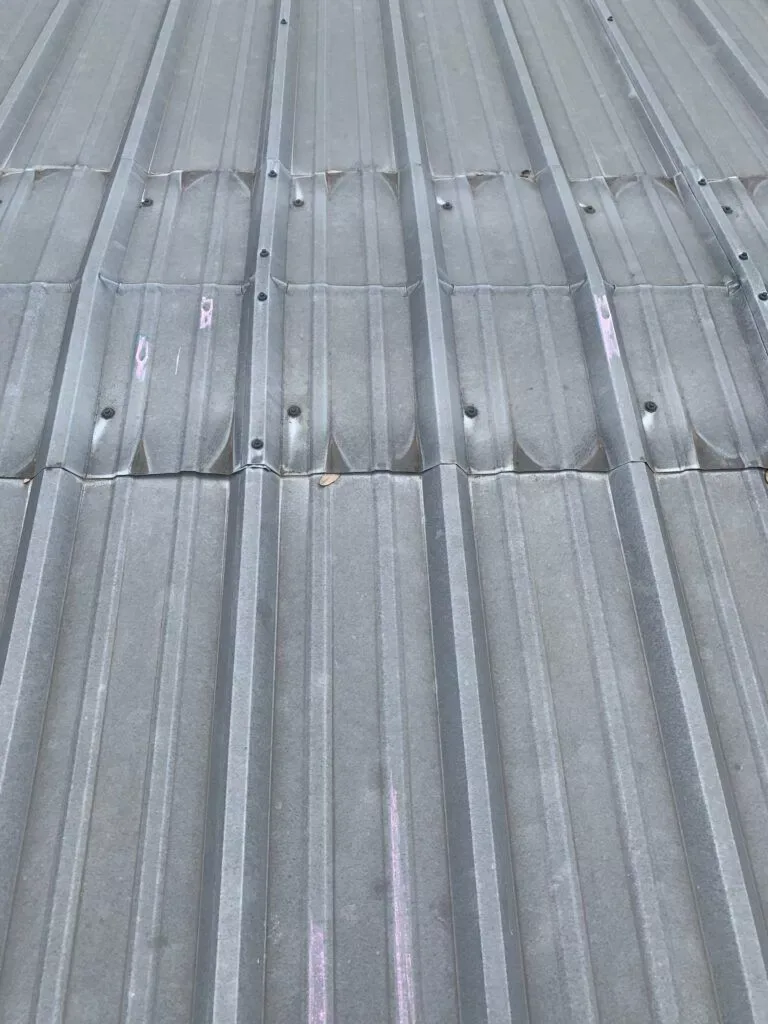
After a tornado warning or severe storm, a commercial roof may have displaced metal, torn membrane, impact damage, debris, or an opening that admits rain. The first task is to protect people and stabilize the building; a detailed roof assessment comes only after the site contact confirms the area is safe. The National Weather Service county archive documents tornado damage at or near Broken Arrow. After a reported event, we coordinate access, inspect the roof and interior, and separate urgent dry-in work from repairs that need a closer assessment. A severe-weather roof response begins with the incident timeline, access status, and immediate interior risks.
Confirm site safety before roof access
Windborne debris, damaged power equipment, unstable rooftop units, compromised parapets, and blocked ladders can make a roof unsafe after a tornado. We coordinate with the owner's representative and emergency or restoration personnel before setting a route. No one enters a restricted zone until the responsible site lead releases it. If roof access is not safe, we document the limitation, inspect from an approved vantage point, and focus on interior protection or ground-level conditions that can be addressed without crossing the hazard boundary.
The initial call should identify the storm time, emergency activity, roof areas reportedly affected, current building occupancy, utility concerns, and who can authorize temporary work. At Creek 51 Business Park, the Creek Turnpike and Highway 51 junction helps orient dispatch. Before mobilizing, we confirm site clearance, gate instructions, road conditions, staging limits, and the approved access route with the facility contact.
Limit water entry while permanent work is planned
Once the roof route is released, we locate openings, displaced edges, torn membrane, damaged flashings, and areas where debris has punctured the surface. The crew records which sections can be safely reached and where barriers or escorts are required. If rain can reach the interior, we plan temporary cover or another suitable dry-in step that matches the roof condition and weather. The work record identifies the covered area, remaining exposed edges, interior zones still at risk, and the next inspection point. Temporary protection is not presented as a permanent repair.
Spring is the wettest season in the Tulsa area and commonly brings showers and thunderstorms. A tornado response therefore needs an explicit weather handoff: what is secured now, what would be affected by another shower, and who checks the building before the next crew arrives. If water is already inside, we compare each room report with roof seams, penetrations, drains, and nearby openings before setting the repair boundary. A leak tracing visit can resolve a suspected path after access is safe. When wind has lifted a perimeter detail, a separate wind-damage assessment documents that condition and its repair boundary.
Map the roof and interior damage together
After emergency stabilization, the inspection records roof zones, membrane and metal conditions, penetrations, drains, equipment curbs, perimeter details, and any visible deck exposure. Photographs are labeled by location and paired with a roof sketch or plan when available. We note suspected impact locations, loose or missing components, prior patches, and areas hidden by debris or standing water. Concealed insulation or deck damage remains unconfirmed until an appropriate opening or test is authorized. That distinction prevents an early storm report from overstating what can be established visually.
Inside, the property contact can help map water entry, damaged ceilings, sensitive equipment, and rooms that remain closed. The Northeastern State University Broken Arrow location is near the Creek Turnpike connection with E. 101st Street, known locally as New Orleans Street. That route can orient an institutional response, but campus staff must confirm gates, occupied zones, and escort requirements. A roof condition record keeps observations, unknowns, and recommended follow-up in separate categories. A post-storm roof inspection can then establish a permanent repair scope when the site is cleared.
Set repair limits from verified conditions
Permanent work should match the installed assembly and the damage that was actually observed. We identify the roof system when possible, inspect the tie-in area, check the substrate where authorized, and account for any wet or contaminated material. A small puncture, a detached edge, and a broad membrane tear do not call for the same repair. The scope defines the repair limits, compatible materials, surface preparation, temporary measures to remove, and inspection points after the work. If concealed conditions change the work area, the crew pauses at the agreed boundary and seeks direction before expanding demolition.
Buildings with production lines, public services, classrooms, retail traffic, or medical operations may need work divided into controlled zones. We confirm each facility's operating needs rather than infer use from its name or location. Equipment shutdowns, interior protection, debris removal, loading, and rooftop access are coordinated with the owner. If damage extends across multiple roof areas, the report lists each area separately so the owner can prioritize life-safety, water control, and continuity needs. A commercial roof repair scope documents that work sequence. When inspection shows widespread deterioration beyond the storm openings, a roof renewal assessment compares broader options without treating all storm damage as proof that replacement is necessary.
Coordinate the recovery record and next visit
At closeout, the owner receives dated photos, a map of inspected and restricted areas, the temporary work record, a list of verified damage, and conditions that need testing or authorization. The handoff states whether the building may remain occupied based on the owner's direction and any other qualified assessment; roof observations alone do not certify the entire structure. We identify who will monitor temporary cover, how to report new water entry, and which access rules will govern the permanent repair visit.
If an insurance file is being assembled, we can organize the roofing observations and proposed work for the owner or restoration lead. The roof report documents observed damage and completed protection; policy coverage remains a separate decision for the owner and insurer. The record should show what was seen, where it was seen, when temporary protection was installed, and what remains unknown. This roofing documentation can support that handoff, while a hail impact review remains a separate topic if the event also included hail. The next step is explicit: maintain cover, authorize a targeted opening, schedule compatible repairs, or evaluate broader renewal once the site is ready.
Commercial Roofing Questions
Can a roofing crew inspect immediately after a tornado?
Only after the property contact or incident lead confirms safe access. Debris, power hazards, unstable equipment, and restricted areas can prevent a roof walk. We document limits and coordinate a safe route before mobilizing.
What should happen if the roof is open and rain is approaching?
After access is released, the response identifies the opening and installs an appropriate temporary measure when conditions allow. The handoff records remaining exposure and the next check needed before permanent repair.
Does a tornado damage report mean my Broken Arrow building was hit?
No. Regional records describe area events, not the condition of a specific property. A site assessment must document its own roof and interior observations before damage is attributed.
How do you find the source of water inside after severe wind?
We map reported rooms and timing against roof slopes, seams, penetrations, edges, and visible openings. If the water path is not clear, the scope identifies a targeted test or authorized opening.
Can temporary cover stay in place until the full repair is scheduled?
The answer depends on the material, weather exposure, roof condition, and how it was installed. We document its limits and inspection interval so the owner knows when it needs attention or replacement.