Church Roofing
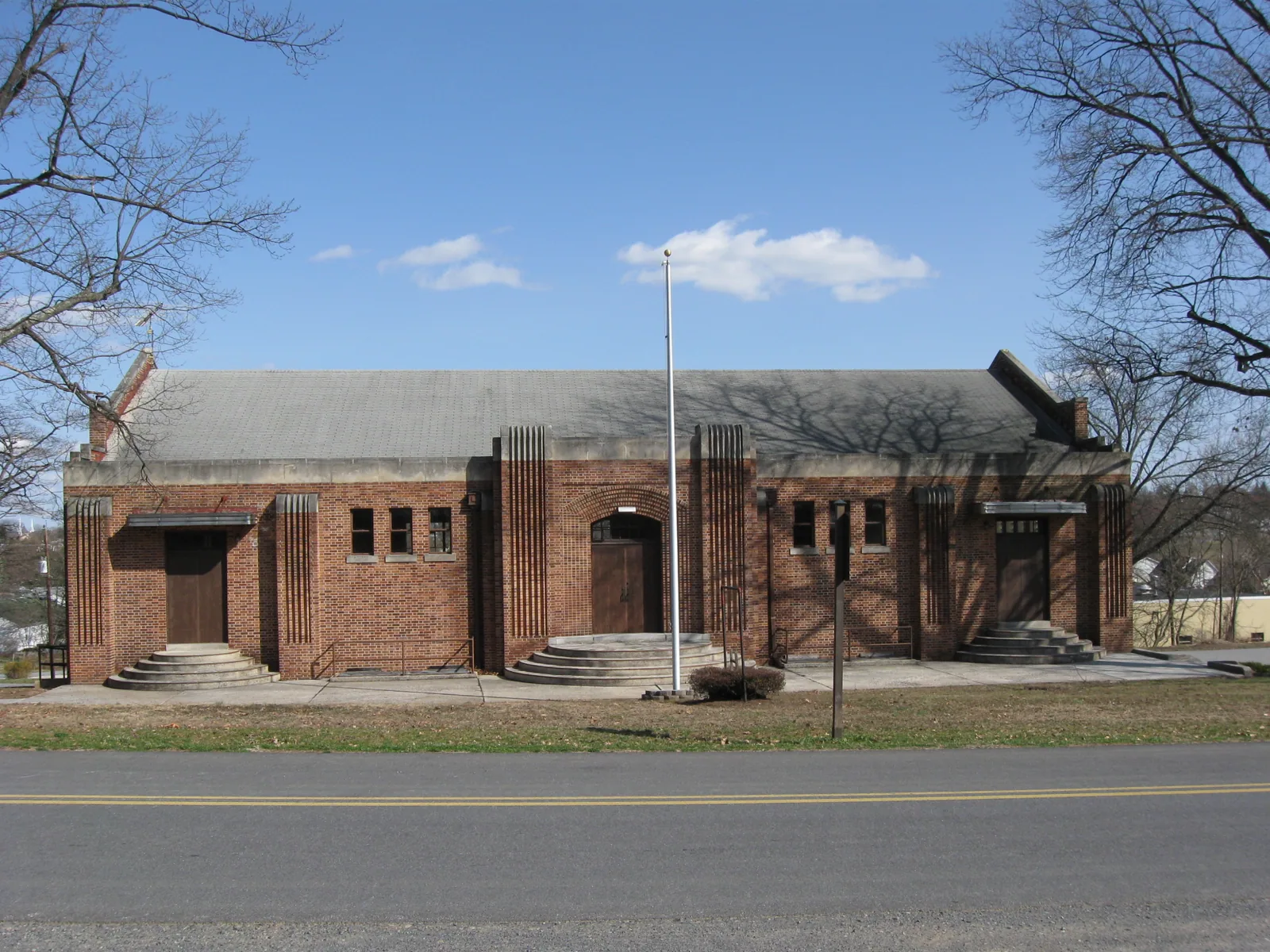
A Saturday wedding setup can occupy the hall below a roof leak before Sunday services begin. We first protect the rooms in use, locate the roof condition above them, and agree with church leadership on a safe access window. In Broken Arrow, OK, the Rose District is a mixed-use historic downtown center served to the north by Kenosha Street and to the south by Washington Street. For a worship property in a mixed-use setting, entrances, event traffic, and nearby tenants need to be mapped before staging. Our church roof inspection documents the actual assembly and repair boundary before a work date is selected.
Protect the gathering schedule
Sanctuaries, classrooms, kitchens, offices, and fellowship halls may operate at different hours across the week. We identify the room below each roof section, note scheduled services or community events, and plan protection before lifting materials. A leak over sound equipment or a classroom needs a controlled response even when the roof opening is elsewhere. The inspection compares the reported interior area with nearby seams, drains, curbs, and wall transitions. If a room must be taken out of use briefly, leadership receives the affected area and expected handoff before the work begins.
Spring is the wettest part of the Tulsa-area year, and storms bring frequent showers, hail, and damaging wind. Hail impact can vary from block to block, so a regional alert does not establish what happened to a church roof. We inspect the membrane, edge metal, penetrations, and drainage and record what is visible. When water is active, temporary protection comes before a permanent repair that needs a safe, dry surface. Emergency response is available around the clock, including holidays, so an opening can be addressed even if it occurs outside the building's event schedule.
Make roof access compatible with visitors
Roof ladders, lift placement, deliveries, and debris removal can cross visitor parking or the accessible route to an entrance. We confirm approved access, staging area, event calendar, and any fire lane that must remain clear. A phased occupied-building plan can isolate one section while keeping agreed paths open, with barriers and daily cleanup included in the sequence. If the church hosts meals or outside groups, their arrival times belong in the same access conversation. No route is assumed from a map alone; property leadership approves the location before the crew arrives.
The Rose District's mixed-use designation and its two main east-west streets give a local reference for planning vehicle entry and material staging when a property uses this area. Sand Springs' historic downtown includes older commercial buildings being supported for retail and office reuse. That municipal context helps orient a regional service route, while the congregation's address and access plan determine where roofing work can proceed. We confirm the actual site, access rules, and hours with its manager. A local roof-access review connects the location to a property-specific plan rather than presuming which side of a building can be used.
Inspect drains, flashing, and roof edges
Water entry can begin at a field seam, curb, pipe boot, parapet, skylight, or drain. We check the reported spot and the nearby transitions, then look at outlets and overflow paths that may carry water across the roof. A ceiling mark can appear away from the opening because water travels along the deck or insulation. Photographs and a simple roof map keep the suspected path separate from confirmed conditions. If concealed moisture is possible, we explain whether a test opening or survey would narrow the work area. A drain and scupper check records the drainage detail as part of the repair decision.
Late-summer heat in the Tulsa climate profile includes recurring readings at or above 100 degrees. Material handling and safe roof access may need earlier work hours, while worship or event calendars set their own limits. We shorten the time an area remains open, secure temporary materials at the end of each shift, and identify what interior protection stays in place. Coating, membrane repair, and metal flashing work require different preparation and weather conditions. Our metal roof repair approach starts with the existing panel and fastener details, not a generic coating recommendation.
Separate an emergency patch from renewal
A single failed flashing with sound adjacent material may call for a localized repair. Multiple leaks, wet insulation, deteriorated seams, or recurring drainage issues can justify a broader review. We inspect roof layers, attachment, deck condition, and drainage before comparing repair, coating, recover, or replacement. A recover assessment considers whether another layer is suitable and whether moisture should be removed first. The written scope explains which roof area is included and what remains outside the boundary, so a one-night leak response does not become an unexamined replacement decision.
Church buildings can combine public gathering rooms with offices, education space, and kitchens, while government properties have their own public access requirements. A government facility roof plan may involve service counters or official records; each church must account for its event and occupancy pattern. The city identifies Broken Arrow Public Schools' Education Service Center at South Main Street and reports a district portfolio of school sites, a local example of how institutional access varies by building. A senior living roof inspection also has to account for protected occupant routes, while church sequencing follows the congregation's service and event calendar. Roof scope should reflect the actual occupants, hours, and equipment on the property under review.
Hand off the roof record to leadership
At completion, we photograph the repair and the surrounding details that informed the recommendation. The closeout notes barriers removed, rooms returned to use, temporary protection still present, and any follow-up work. A maintenance visit can revisit drains, seams, penetrations, and roof edges before the next storm season. The service record should remain tied to the specific building and work zone, especially when a church has more than one structure or outside groups managing events.
Share the event calendar, room schedules, access rules, parking restrictions, roof keys, leak reports, and any sensitive equipment below the work. We will coordinate inspection and staging with church leadership and return a documented condition and scope. If a storm causes active entry, emergency response runs day or night, holidays included. Permanent work follows a suitable weather window and a clear agreement on the room protection and visitor routes, with an end-of-shift handoff before the next gathering.
Commercial Roofing Questions
Can roof work be scheduled between services?
Often, if access, noise, and protection below can be managed in that window. We review the weekly schedule and upcoming events with church leadership before laying out the sequence.
What should we do if a leak starts during a service?
Move people away from the affected area, protect equipment or furnishings if safe, and report where water is entering. We can respond at any hour and separate temporary protection from permanent repair.
Does storm activity nearby mean the whole roof needs replacement?
No. Hail and wind impacts can be localized. We inspect the actual roof and document the evidence before recommending a repair boundary or broader renewal.
How do you avoid blocking accessible entrances?
We confirm accessible routes, fire lanes, visitor parking, and material staging with the person responsible for the property. Any temporary restriction is identified before work starts.
Can a roof coating solve a recurring sanctuary leak?
A coating is appropriate only when the existing assembly, moisture condition, drainage, and details support it. We inspect those items and compare coating with repair or replacement.