Grocery Store Roofing
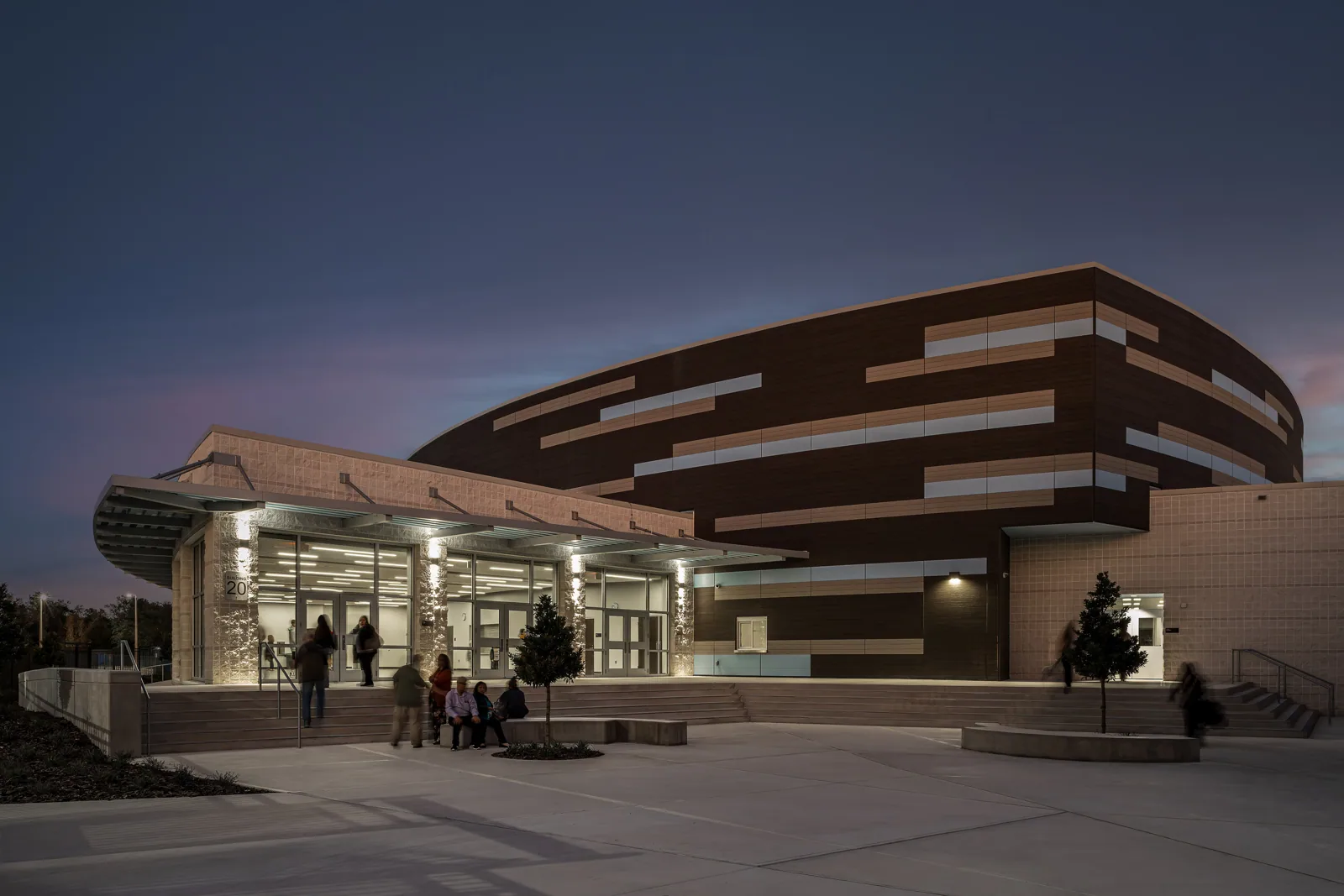
A leak near refrigeration can threaten inventory and temperature control. We protect the affected area, identify the roof zone above it, and coordinate access around receiving and customer hours. In south Broken Arrow, the mixed-use Shops at Aspen Creek spans 150 acres at Creek Turnpike and 161st East Avenue, with a Walmart Supercenter and an 18-screen Warren Theatre on site. At each grocery property, we verify the roof assembly, receiving access, and equipment clearances on site. Our grocery roof inspection records drains, seams, penetrations, and equipment clearances so facilities staff can set a repair boundary before work begins.
Protect refrigeration and food operations
Refrigeration lines, exhaust equipment, electrical runs, and rooftop condensers create penetrations that need careful inspection. A leak above a cooler or prep area can threaten inventory even when the roof opening sits several feet away. We trace the reported water path, compare it with the roof above, and document any condition that needs testing. Protection below the work may include moving stock, covering equipment, and isolating a wet floor. The roof scope states which systems remain in service and what access is needed; a curb and equipment review checks the transitions where service work can disturb flashing.
Spring brings the Tulsa area's wettest weather; large hail and damaging winds also occur most often in spring and early summer. A nearby report can prompt a timely inspection, but the roof itself determines the next step. We record dents, punctures, seam separation, and drainage conditions, then compare those observations with wear or unrelated failure. If water is entering, emergency response is available around the clock to establish temporary protection. Permanent repairs follow when the roof and weather support the chosen method, with receiving and sanitation requirements in the schedule.
Sequence work around deliveries
Grocery receiving continues through much of the day, and a material drop should not block a truck turn, compactor route, fire lane, or employee entrance. We ask operations for delivery windows, roof access rules, and staging limits before choosing a repair sequence. A lift may need a short, defined footprint; materials may need to arrive in smaller loads that fit the available space. A phased occupied-store plan identifies the roof area in progress, the route below it, and the handoff required before the next shift.
Retail, dining, multifamily, and entertainment uses share circulation at The Shops at Aspen Creek. We confirm the grocery store's delivery gate, parking limits, and roof route with management before staging materials. The Creek Turnpike connects local exits at Aspen, Elm Place, New Orleans Street, and SH-51. We use the corridor to plan arrival, then confirm current traffic and delivery timing with the property contact.
Keep drains and cold-room edges sound
Low points, clogged strainers, scuppers, and undersized or damaged drainage details can leave water near seams and equipment curbs. We inspect the outlet, overflow path, membrane laps, and roof-to-wall transitions together. A ponding area needs a different response from a puncture or failed penetration, even if both reports appear in one ceiling zone. Where the assembly is concealed, a moisture survey or test opening may help define the boundary. A drainage inspection documents outlets and overflow routes before a repair is priced, while keeping any required roof access clear of refrigeration service work.
Tulsa-area temperatures frequently reach 100 degrees or more from late July through early September. Roof temperatures and exposed material handling affect the work window, and grocery operations add a second schedule around loading, deliveries, and refrigeration maintenance. We plan the sequence to reduce open-roof time, protect the interior, and stage materials where they do not interfere with store functions. If equipment technicians need roof access during the same period, the work plan identifies who can enter, which zone remains closed, and how the flashing is checked after service work.
Choose a repair that fits the assembly
A bounded repair may be appropriate when the roof is otherwise sound and the failure is limited to a seam, curb, or flashing. Multiple wet areas, recurring leaks, deteriorated membrane, or damaged insulation can support a wider evaluation. We document the roof layers, deck condition, attachment, and drainage before comparing repair, recover, coating, or replacement. A recover assessment considers whether another layer is suitable; it does not bypass moisture or structural review. System compatibility matters around cold-room equipment and penetrations, so the proposed detail must fit both the roof material and the service clearance.
A large sales-floor reroof must preserve its dock route; work at a multi-tenant retail center may need a boundary through several suites. We inspect the grocery roof before setting its sequence. The written condition record separates urgent water control from capital work, identifies open questions, and lets facilities staff compare options against documented evidence.
Close out for facilities and store teams
Closeout should tell the store which roof area was repaired, what detail was used, and whether any follow-up remains. We include photographs of the repair and nearby drains, curbs, or seams that informed the scope. If temporary protection is still in place, the record identifies it and names the next decision. A preventive maintenance visit can revisit drains, membrane transitions, and equipment supports before seasonal storms. The schedule follows roof conditions and operational constraints, rather than assuming every grocery roof needs the same interval or scope.
Grocery roof work takes place above receiving, refrigeration equipment, customer entrances, and food-handling areas. We confirm which deliveries continue and whether an equipment shutdown needs its own schedule. If an opening is above a refrigerated or sensitive area, interior protection and the dry-in plan are set before material is removed. Roof inspections check drains, equipment curbs, penetrations, and membrane transitions around units, while noting which components require the refrigeration contractor. We also map rooftop service routes so technicians do not cross a fresh repair before it cures. A leak report near a cooler or sales floor is connected to the roof evidence only after the source is checked. The work plan names the daily start and stop point, barriers on the ground, and the person who releases each area. This lets the store remain organized while the roof scope stays limited to confirmed conditions and agreed access.
Share interior photos, the affected cooler or work area, delivery hours, refrigeration service windows, sanitation rules, and roof access instructions. We will plan a visit that protects occupied areas and records what is actually present on the building. If a storm causes active water entry, emergency response is available around the clock, including holidays; permanent work is sequenced when access and weather are suitable. The handoff gives store leadership a clear work zone, protection status, and documented next step.
Commercial Roofing Questions
Can you work above active refrigeration equipment?
Yes, when the equipment can remain protected and roof access is coordinated. We identify affected units, service clearances, and any shutdown window before opening the roof area.
What should happen first if water reaches a cooler?
Move or protect inventory, address electrical and slip hazards, and report the affected area. We can respond around the clock, protect the interior, then inspect and document the roof condition.
Do hail reports mean the membrane must be replaced?
No. Hail reports can be localized. We inspect the membrane and details on the specific roof, record observable damage, and compare a bounded repair with broader options only when conditions support it.
How do you schedule around grocery deliveries?
Before staging, we confirm truck windows, dock access, fire lanes, employee routes, and material placement with operations. The work sequence can divide roof zones to reduce conflicts.
Can a roof repair affect food safety?
We define protection below the work, control debris and access, and coordinate sanitation requirements with store staff. The plan identifies any area that must be isolated during repair.