East Industrial Zone
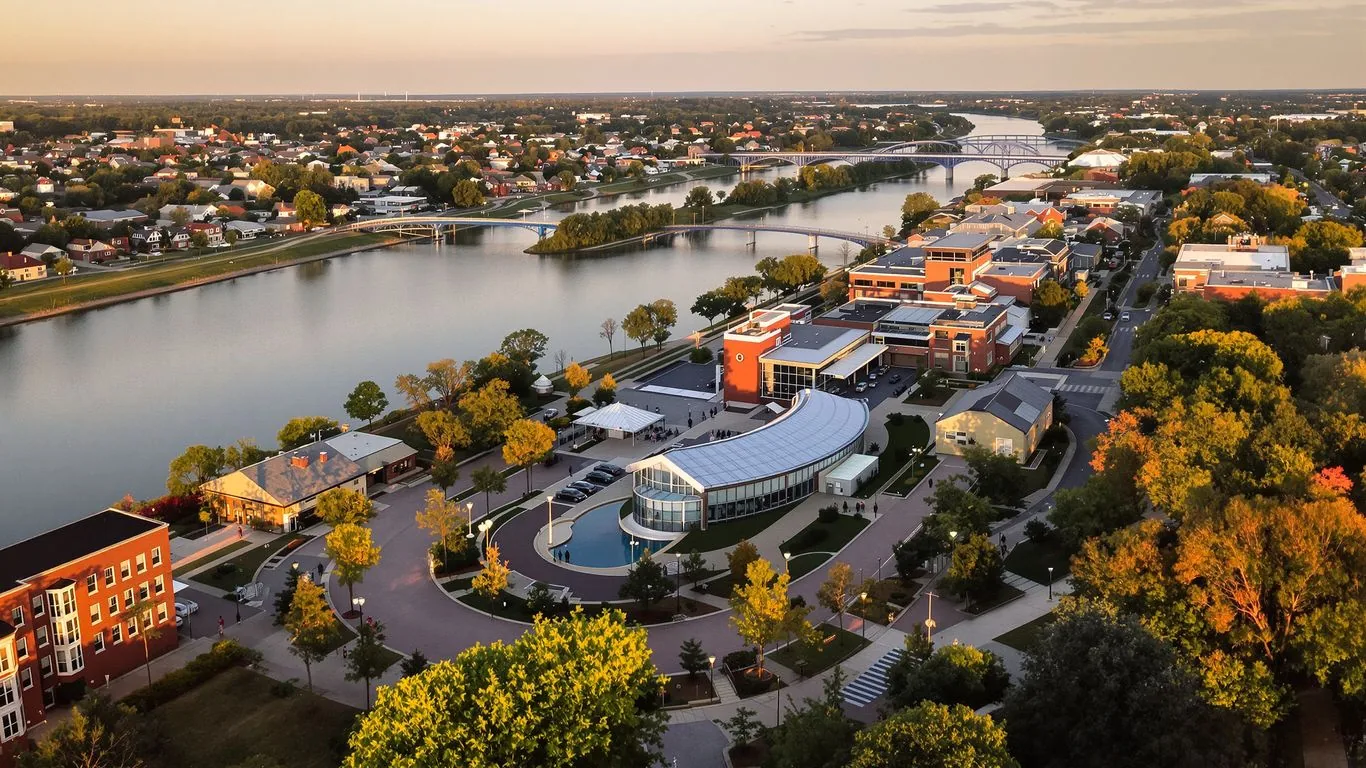
Broken Arrow’s adopted plan designates the East Industrial Zone for commercial and industrial activity in the eastern growth area. The East Industrial Zone includes rural parcels alongside industrial development. We confirm the property's access, utility connections, building use, and roof assembly before planning work. For a new project, we review the roof plan, staging requirements, drains, penetrations, and edge details with the design or construction lead. For an existing building, we inspect the assembly that is present and document its condition before defining repair or replacement. A roof assessment begins with the parcel, project phase, and confirmed site access.
Coordinate roofing with infrastructure work
When infrastructure is still changing, delivery routes, utility access, and staging can shift during a project's schedule. We confirm the current approved entrance and who can authorize roof access before dispatch. If a building is in design, roof drainage, insulation, equipment curbs, and electrical penetrations are checked against the plan set before other trades cover those details. If the facility is already operating, the inspection maps its existing roof zones and identifies the hours when rooftop or ground work can happen without disrupting operations.
Highway 51 and the Muskogee Turnpike are the city's identified access corridors for the eastern growth area. They help place the district in the regional network but do not establish an individual site's driveway or delivery protocol. A separate South Creek Turnpike district follows the southern and eastern corridor, and the North Broken Arrow Expressway area has its own SH-51 ramps. We verify directions, truck limits, entry, and staging for each address rather than transferring logistics from one planning area to another.
Protect each completed section
Tulsa-area spring is the wettest season and brings frequent showers and thunderstorms. Construction and repairs need a section size the crew can close before conditions change. We set a temporary dry-in method, a weather stop point, and an interior protection step before removing membrane. If rain is forecast or reaches the work area, the crew secures the open section and records which detail remains unfinished. The owner or superintendent receives a direct handoff before work resumes.
Hail reports across the Tulsa metropolitan area occur all year, with spring the peak period and effects localized. On an existing roof, we check the membrane and perimeter for visible marks or movement, then compare those observations with interior reports. A storm inspection records the conditions actually found. The Tulsa profile logs recurring triple-digit readings from the final weeks of July through the start of September, so safe roof access, work hours, and material handling are part of summer planning.
Resolve drainage and equipment details
Roofing on a new industrial building has to coordinate with equipment layouts and water routes before the membrane is installed. We review the locations of drains, scuppers, rooftop units, curbs, service lines, and perimeter terminations against the drawings. During construction, field measurements verify that the openings and supports are where the roof plan expects them. A mismatch is recorded while adjustments are still possible, not after water has entered or a detail has been buried under later work.
For a completed facility, we document the same details as observed and note which ones need repair or access from another trade. At the property, we identify the roof assembly and equipment present before setting the inspection route. A drainage inspection records outlet condition separately from membrane wear, while curb and support checks capture penetrations and service interfaces. If a planned development still needs infrastructure upgrades, the construction lead can sequence those connections with roof installation and avoid unplanned trips across a finished membrane.
Set the remedy from current conditions
For existing roofs, a localized repair is appropriate when the defect is isolated and nearby membrane and substrate remain sound. Repeated leaks, wet insulation, broad deterioration, or attachment problems may support replacement. Recover work has to match the current layers, deck, drainage, and assembly requirements. A coating is considered only after the surface is suitable and moisture concerns are resolved. We explain which roof observations support the recommendation and what test would be needed if the layers conceal a wider issue.
Cost and timing depend on travel and roof access, lifting, staging, tear-off, disposal, insulation, deck repairs, edge details, equipment clearances, infrastructure timing, and weather protection. A repair scope identifies the area and material needed for a localized fix. A replacement plan sets the work zones and dry-in sequence if renewal is selected. For a new building, phasing with utilities and other trades can be as important as the roof installation duration; we keep those assumptions visible before the schedule is agreed.
Carry the record through buildout
Closeout lists areas completed, details still open, and anything deferred because of access or weather. Photographs locate drains, seams, curbs, and edges so the next trade or maintenance visit can find them. On a site still adding infrastructure, the record can flag roof penetrations or transitions that must be revisited after utility work. For an operating facility, the property contact receives maintenance items and knows which temporary measures were removed or left in place. The next handoff should state who is arranging roof access and when.
Planning materials describe the East Industrial Zone as a growth area, with infrastructure and access conditions that can change as development proceeds. Infrastructure upgrades and development can change site logistics in this growth area. Before dispatch, we confirm the active entrance, truck turning space, utility work, and roof access with the project lead. The roof review itself records drainage, perimeter details, equipment penetrations, and the condition of any work already completed. Properties in the zone vary in occupancy and construction phase. We confirm building use, roof assembly, and reported failure during the site inspection. Where a project is still under construction, we coordinate the roof scope with the current contractor schedule and protect completed sections from subsequent trades. The final record separates confirmed field conditions from items that need a later inspection. This lets the owner plan roofing as the area develops without treating a future parcel or planned utility as a present roof condition.
Development intensity in the East Industrial Zone may change as the area grows, but each roof record remains tied to one building and its actual condition. A photo condition report preserves that evidence, while a capital planning record can track future work after occupancy begins. Creek 51 Business Park is a separate industrial area with its own work routes. For an East Industrial Zone property, we confirm the active entrance and roof access with that site's contact. Share current drawings, parcel access, infrastructure phasing, and occupancy dates before scheduling the next inspection.
Commercial Roofing Questions
Is the East Industrial Zone fully built out?
Some East Industrial Zone parcels remain rural while development advances, so access and utility conditions may differ from one property to another. We confirm whether a building exists and what phase the parcel is in before planning roof work.
What should be settled before a new roof is installed?
Drainage, penetrations, equipment curbs, perimeter details, roof access, and the sequence for other trades should be checked against current plans and verified in the field.
Do Highway 51 or the Muskogee Turnpike define delivery access?
They are regional access corridors. The property contact confirms the site's entrance, truck route, staging area, and any current infrastructure restrictions.
What changes the repair-versus-replacement recommendation?
We review the defect boundary, surrounding membrane, attachment, moisture, deck, and previous repairs. The report identifies whether a localized fix is supported or broader renewal needs evaluation.