South Creek Turnpike Area
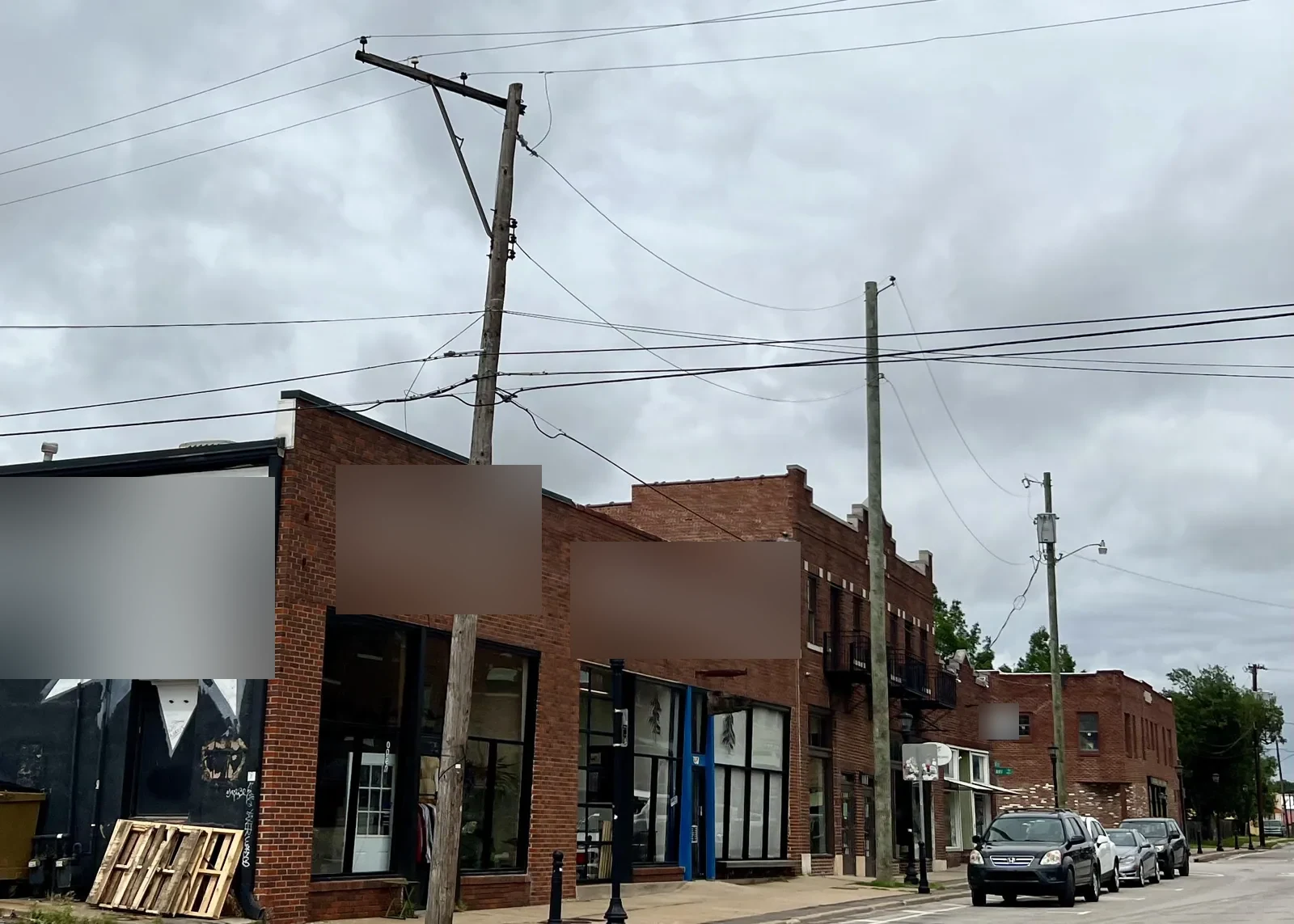
Across southern and eastern Broken Arrow, the Creek Turnpike connects the South Creek Turnpike area with regional turnpikes and highways. Local exits include Aspen, Elm Place, New Orleans Street, SH-51, and the Muskogee Turnpike connection. We confirm the approach and approved entrance for the building before setting a delivery window. At the property, we confirm the address, roof entry, operating limits, and staging area before inspection. Our roof inspection records observed conditions before repair, recover, or replacement is discussed.
Translate the route into a site plan
The Creek Turnpike links regional routes, and each job still needs an approved driveway, check-in point, gate process, roof hatch or ladder, and clear staging area. For a new commercial or industrial project, we review drawings and construction phasing before selecting where material will be lifted. At an existing facility, we work with the site contact to identify active shifts and delivery windows. The sequence accounts for the building's own access rules instead of treating a nearby interchange as permission to stage.
The southern growth band includes the proposed mixed-use Indian Springs District. At each South Creek address, we confirm access, project phase, and roof conditions with the property contact. The East Industrial Zone is a separate planned commercial and industrial area. We track access and roof scope by address.
Sequence work before spring rain
Spring is the wettest season in the Tulsa area, and showers or thunderstorms can arrive between work shifts. Before removing membrane, the crew defines the area that can be closed and protected that day. Temporary dry-in, a weather stop point, and a way to protect the interior are part of the scope. If conditions turn, the owner receives a handoff that identifies which section is secure and what remains before permanent installation can resume. The plan avoids leaving insulation or deck exposed while the crew changes to another zone.
Tulsa-area hail reports occur year-round and peak in spring, with localized impacts. At a South Creek property, we inspect for punctures, loose metal, and open details before setting repair scope. The storm assessment records evidence by roof area and links it to any interior report. Tulsa-area temperatures frequently reach 100 degrees Fahrenheit or higher from late July into early September, so summer access and material handling need a planned work window.
Document water routes and roof details
When water appears inside, we inspect the roof area above the report and nearby details that can redirect flow. Field seams, curbs, parapets, drains, scuppers, and penetrations are recorded as separate observations. A stain does not automatically mark the roof opening because water can travel under the surface. We compare photos with any roof plan provided and note where a visual inspection could not confirm the condition beneath the membrane. A selective opening or moisture survey is listed when it can define the repair boundary.
On an industrial property, rooftop equipment, conduits, and service clearances can constrain movement, so we plan a route that lets the crew inspect without disturbing operations. If the site is newly developed, we verify installed drains and curbs against drawings before the membrane scope closes. A drainage check distinguishes outlet blockage from sheet or flashing failure. A curb and support inspection documents the points where service work crosses the roof. Those notes help the facility team coordinate later maintenance.
Make each alternative accountable
A repair can resolve an isolated failure if the nearby membrane, attachment, and substrate remain serviceable. If defects repeat across several zones, moisture is widespread, or details have deteriorated together, a replacement review may be appropriate. Recover work retains existing material and therefore requires a close look at layer count, deck, drainage, and compatibility. A coating is evaluated only if the surface and moisture conditions support it. We write down which roof findings justify each option and what hidden condition could change the recommendation.
Price and duration depend on roof access, lifting and staging, tear-off, disposal, insulation, deck repair, edge metal, equipment curbs, weather protection, and operating hours. Before options are compared, we group findings by roof section and identify which details can be repaired without disturbing adjacent material. A recover proposal states the layer count and deck conditions to verify. Replacement sequencing identifies tear-off limits, insulation and drainage work, and the dry-in point for each shift. If drawings do not show current conditions, we mark where field measurement or a test opening is needed. Before ordering materials, we confirm lift setup, reach, delivery windows, and which drain, scupper, or edge repairs fall inside the removal area. The repair scope identifies the limits of a localized fix. A replacement schedule divides larger work into secure daily sections. If the roof qualifies for another layer, recover planning explains what stays and what must be repaired first. Owners can compare options using the same access and deck assumptions rather than a material label alone.
Close with a building-level roof record
At completion, the site contact receives the repaired area map, photographs, deferred conditions, and any note about access that limited inspection. A handoff confirms that the planned staging area is clear and that barriers or temporary protection are removed or transferred as agreed. If a follow-up test is required, the report identifies the question it will answer and who should coordinate roof entry. Those details help maintenance staff return to the correct drain, seam, or penetration instead of repeating the entire inspection.
Properties along the southern Creek Turnpike area include commercial and industrial uses. We confirm each building's entrance, truck movements, roof access, and work hours with its contact. If loading or vehicle movement continues below the work zone, the perimeter plan shows where traffic remains open and where lift or debris controls apply. The roof inspection follows the actual building, records drainage and edge details, and identifies any seam or penetration that needs closer review. For a multi-building property, each structure receives its own entry and closeout record. This lets a facilities manager plan a visit along the corridor while preserving the conditions, operating rules, and repair limits specific to the building in scope.
The corridor helps dispatch crews; at each building, we document installed equipment, tenant access requirements, and the roof assembly during a property walk or plan review. A photo report ties each observation to that address and gives ownership a basis for maintenance or capital planning. If the building operates near Indian Springs or another turnpike node, we confirm its own traffic and delivery conditions before setting a return date. Share the address, entry point, work-hour limits, and roof drawings when requesting the next assessment.
Commercial Roofing Questions
Do turnpike interchanges tell you where roofing materials can be delivered?
They show regional access points. We confirm the driveway, gate, loading space, and staging instructions for the individual property before arranging material movement.
Is the South Creek Turnpike area fully built out?
The area has a commercial and industrial designation. We confirm each parcel's current phase and inspect the building present before preparing a roof scope.
What comes first after a leak is reported?
We compare the interior location with roof seams, penetrations, drainage, and perimeter details, then protect any confirmed opening. The report identifies what is visible and what needs testing.
Can roof work continue during a spring storm?
The crew stops when conditions no longer support safe access or a sound installation. The agreed dry-in point secures the active area before work resumes in a suitable weather window.