Inola
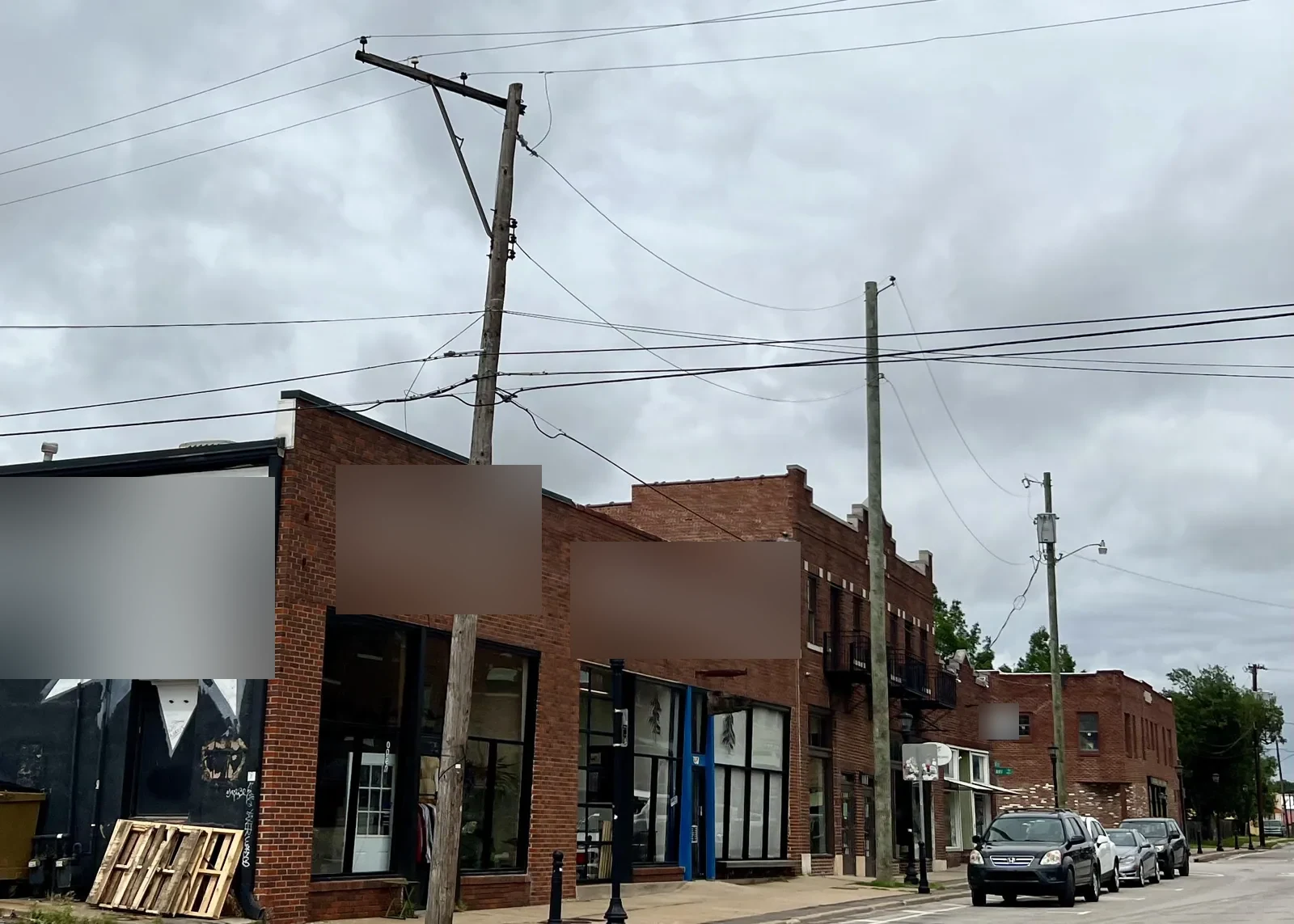
Inola includes industrial, commercial, residential, and agricultural properties, with mixed use in its downtown. That range brings different access and occupancy needs to commercial roof work. We begin with the structure in scope, confirm who controls roof entry, and document seams, drainage, edges, penetrations, and interior reports. The local economic-development group supports new and existing businesses, so project access may need to account for deliveries, utilities, or active improvements. The roof inspection establishes the repair boundary. A commercial roof inspection records what is present before repair, recover, coating, or replacement is considered. For nearby work, Wagoner has a separate municipal access plan and roof record.
Confirm the use before setting access
A commercial property may be operating, under construction, or changing use. Before setting a work window, we confirm the property’s current activity, the person authorizing roof access, any gate or check-in process, and the route equipment can take without crossing active work areas. If the roof plan or maintenance records are available, they help identify system changes, but field observations determine what can be seen and reached.
Town economic-development work covers new and existing businesses in Inola and the surrounding area. For a roofing project, that makes early coordination useful where site improvements, utilities, or deliveries share limited space. We identify where a lift can stand, whether a loading path must remain open, and what protection is needed below the roof. A production property may need separate approvals for equipment shutdowns or sensitive operations; a downtown mixed-use building may need pedestrian and tenant coordination. The assigned contact confirms those details before materials arrive. If a property is still being built, curb and penetration details are checked against the current plan before other trades cover them.
Plan for rain before opening the roof
Tulsa-area spring is the wettest season and brings frequent showers and thunderstorms. Before removal begins, we choose an opening that can be prepared, protected, and closed within the available weather window. The work plan identifies the temporary dry-in method and the stop point if rain approaches. A wet surface may not accept a permanent seam repair or coating preparation, so temporary protection and finished work remain separate items in the record. The daily handoff states what is secure, what remains exposed, and which detail needs a dry return window.
Spring is an active hail season across the Tulsa region, though the effects vary from building to building. We inspect the actual membrane, metal panels, edge details, penetrations, and interior areas connected to the reported event. Photographs distinguish visible impact from ordinary wear, while any concealed moisture question is set aside for testing if it could change the repair. A storm-damage assessment ties recommendations to observed conditions. Late-summer Tulsa temperatures often reach 100 degrees or higher, so safe access and material handling must follow conditions on the day.
Separate the symptom from the repair
A leak may show up in a room below a seam, drain, curb, wall transition, or roof opening. We record the interior report and inspect the roof area above and around it, tracing likely water paths without assuming the stain marks the entry point. The report notes what was accessible and what remained hidden under equipment or existing layers. If moisture may extend beyond a visible defect, an infrared survey or test opening can help narrow the affected area. A roof condition report ties photos, observations, and follow-up questions to a labeled section.
Commercial, industrial, and mixed-use structures do not share a single roofing profile. We identify the installed system where visible, inspect its seams and flashings, and check whether drains and overflows can carry water away. A roof with a TPO membrane may need different seam testing from an EPDM system or metal roof, and no material is assumed from the building’s use. If the surface is inaccessible, the report says so rather than treating the unseen area as sound. A membrane system review is based on the assembly found at the building, not the town’s land-use map.
Match scope to the building condition
A repair can be appropriate when a defect is localized, adjacent material remains serviceable, and the repair can terminate on stable surfaces. Repeated leak paths, widespread moisture, failing seams, or deteriorated edges may call for a broader evaluation. We document which conditions support the recommendation and identify any testing that could change it. Recover work depends on layer count, attachment, drainage, substrate condition, and compatibility. A coating is considered only if the existing roof can be prepared and the system is suitable for the surface. Replacement planning includes removal depth, deck exposure, insulation, flashings, and how the occupied space below will remain protected.
Cost and timing depend on roof area under the approved scope, access equipment, lift placement, material movement, tear-off, wet insulation, deck repairs, edge work, disposal, and weather stops. If production or customer activity continues below, we coordinate noise, entrances, and staging with the property contact. For new commercial or industrial construction, current project drawings and the trade schedule determine roof access and work sequence. Confirm the active phase with the project manager before materials arrive. For another nearby municipality, Broken Arrow has its own districts, roads, and project access details.
Keep the next decision documented
At closeout, we identify the roof zones inspected, work completed, any temporary protection, and the items that need later access or testing. Photos show the seam, drain, curb, or edge in enough context to locate it during a follow-up. If the owner supplies maintenance records or a roof plan, we can tie new observations to that history while keeping uncertain dates or concealed conditions labeled as unknown. The handoff also states which staging materials were removed and whether any area remained inaccessible.
For a multi-building owner, a portfolio list can organize future visits, but each roof needs its own condition record and repair boundary. We confirm which contact can authorize each property, then sequence work around active deliveries and the weather window. If a leak is active, immediate protection is recorded separately from the permanent scope so the owner can make decisions with a clear status. A Tulsa Arena District building has public-event constraints of its own, while an Inola project follows the current site’s operation and approved access. For the first visit, send the building identifier, roof-entry details, occupancy limits, and reported conditions.
Commercial Roofing Questions
Does Inola’s industrial land-use share describe my roof?
No. It provides town context only. We confirm the building’s current use, identify the roof assembly, and record drainage, seams, penetrations, and reported interior conditions during inspection.
Can roofing work continue during spring showers?
We set the opening size and dry-in point around the forecast and the roof surface. If rain or moisture prevents proper preparation, the crew protects the area and defers permanent seam or coating work.
What should we provide for an industrial roof visit?
Share the site contact, access and check-in rules, delivery limits, any equipment restrictions, and the reported roof area. Available plans or prior repair records help us prepare, but the inspection verifies current conditions.
How do you decide whether a leak needs a patch or more testing?
We trace the interior report to roof details and check nearby seams, drains, flashings, and penetrations. If moisture may extend under the surface, a survey or test opening can help define the next scope.
Will a coating always cost less than replacement?
Not necessarily. The existing roof must be dry, stable, compatible, and suitable for preparation. We compare coating, recover, repair, and replacement only after checking moisture, attachment, drainage, and substrate conditions.