Commercial Fire Damage Roof Repair
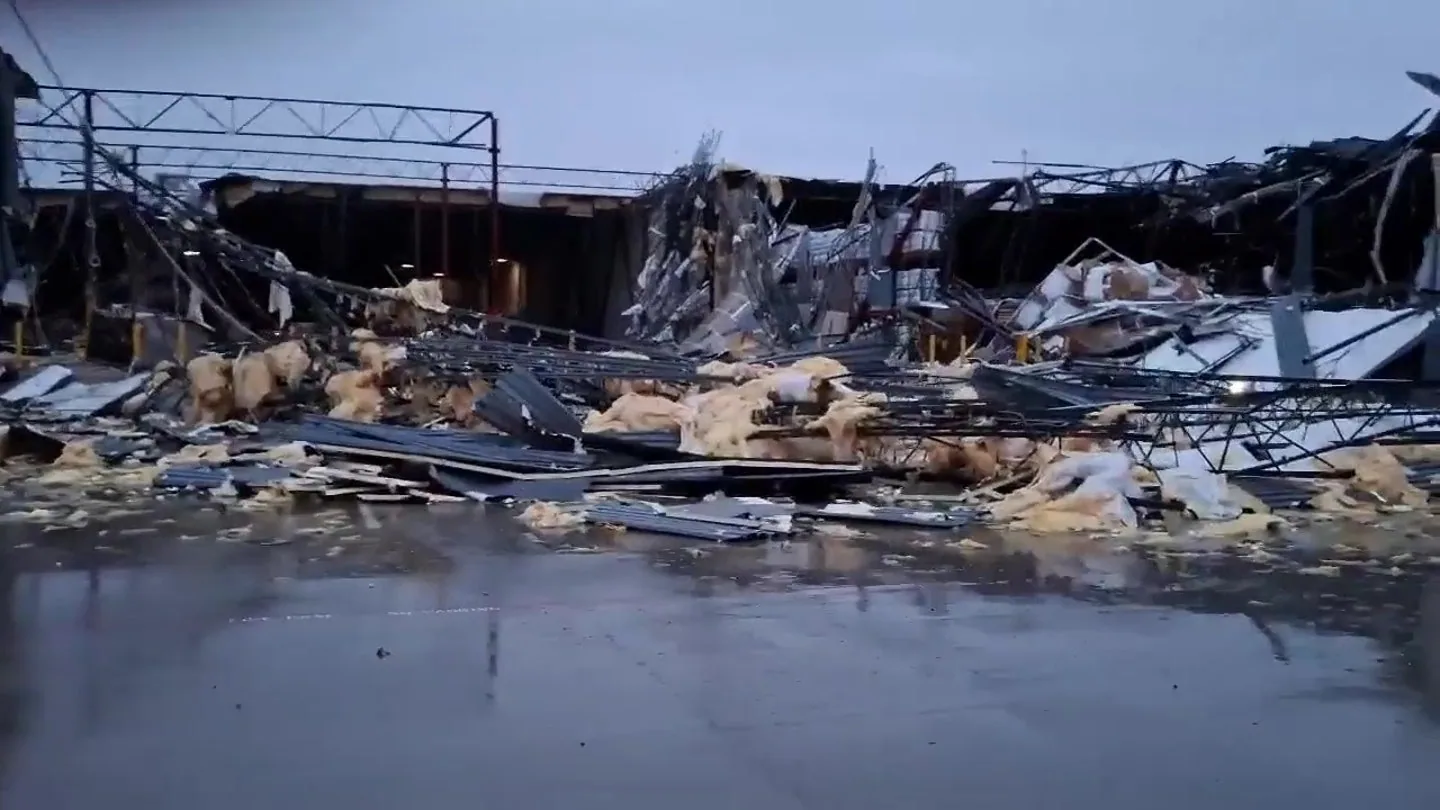
Smoke, heat, and suppression water can affect roof layers while rooms below are still being secured. We confirm the safe approach, locate any opening, and protect the interior before damaged material is removed. Creek 51 Business Park and the East Industrial Zone represent different industrial settings where access and work zones need coordination. For the affected building, the property contact confirms entry, operating limits, and the emergency dry-in area. A fire-response visit records temporary protection and the next inspection step.
Secure exposed areas first
A fire can leave membrane, insulation, metal deck, curbs, and rooftop equipment with different levels of visible damage. We inspect only where emergency personnel or the property contact confirms access is safe, then establish a protected route and perimeter. If the roof is open, temporary cover prevents additional rain from entering the structure. Inside, we identify affected rooms, contents, and service areas with the facility lead. The initial handoff separates immediate dry-in work from later removal, substrate assessment, and permanent reconstruction.
The Creek Turnpike and SH-51 junction provides a route reference near Creek 51 Business Park. Before dispatch, the facility contact confirms gate instructions, safe approach, roof access, equipment clearances, and the staging point. We then mark routes that must remain open and the roof area where temporary protection can be installed safely.
Separate heat, smoke, and water findings
Surface discoloration alone does not show how far heat traveled through the roof assembly. We photograph char, blistering, melted or displaced material, damaged flashings, and any visible deck exposure, then record the limits of safe inspection. Suppression water may enter through roof openings or migrate into insulation. Smoke residue can affect surfaces beyond the visible burn area. When concealed layers cannot be assessed from above, we identify the opening or testing needed and leave those areas classified as unknown until inspected.
The report maps roof observations against interior conditions, including water, smoke staining, damaged ceilings, and rooms that remain inaccessible. We compare darkened surfaces and wet areas with the roof opening, insulation, and interior reports before setting the repair boundary. A photo condition record separates visible findings, temporary measures, and recommended tests. If an insurer or restoration manager is coordinating the project, an insurance documentation file can preserve photos and a roofing scope without replacing the policy review.
Close the roof before the next weather window
Tulsa-area spring is the wettest season and brings frequent showers and thunderstorms. A damaged roof left open can take on more water while restoration work is being coordinated. We identify the opening, install appropriate temporary protection when safe, and give the property contact a status for the next shift. Late-summer heat can also affect safe roof access and materials. Permanent work waits until the surface, structural condition, and work zone can be assessed without adding risk to occupants or crews.
If rain is forecast before permanent repair is ready, the closeout identifies what remains covered and what requires another visit. Emergency response can be arranged overnight, on weekends, and on holidays when the roof is exposed. We keep emergency dry-in, debris handling, smoke-related cleaning, and permanent roof replacement as separate actions with their own access and safety conditions. A wind and edge review can be included when the fire response also reveals displaced perimeter details or weather exposure elsewhere on the roof.
Set removal limits before rebuilding
Permanent scope depends on which layers can be retained and whether heat, suppression water, or removal has affected the deck. We identify roof-system type where it remains recognizable and record areas needing destructive review. Some sections may be repairable; others can require removal and replacement after the substrate is verified. Existing roof layers, attachment, drainage, edge metal, penetrations, and equipment curbs are reviewed before a recover is considered. We compare the affected area with adjacent materials, note where fire heat or suppression water may have altered the substrate, and identify the opening needed to confirm insulation or deck condition. A removal boundary should stop at sound, accessible material; concealed conditions that remain open are listed separately before the owner approves additional work. A roof replacement assessment separates confirmed work from allowances that depend on concealed conditions.
Cost and duration depend on safe access, debris removal, waste handling, deck repair, material availability, smoke mitigation coordination, and the sequence set by fire restoration. If mechanical equipment or utilities remain shut down, we coordinate tie-ins and roof closure with the responsible trades. The scope identifies the protected area and the point at which the building can be exposed again. A membrane repair review may apply to isolated openings outside the heat-affected zone, while major fire-related reconstruction remains defined by the inspected assembly.
Keep the restoration record usable
At closeout, we provide photos of temporary protection or permanent repairs, locations, materials used, and any condition that remains outside the authorized scope. The record notes what could not be viewed, what testing remains, and who needs to approve the next step. If restoration work removes ceilings or equipment, a follow-up roof inspection can compare newly visible conditions with the initial survey. A restoration coordination record keeps roofing observations distinct from other work performed inside the building.
The reconstruction review starts with a safe opening and a verified substrate. We identify whether heat has affected the deck, insulation, membrane, metal, or flashing, and note where smoke or suppression water may have traveled. If a structural engineer or fire-restoration contractor needs access, roofing work is coordinated around that inspection so concealed conditions are not covered prematurely. Materials removed from a fire-affected area are documented by zone, and the replacement assembly is checked against the project requirements and surrounding roof. A tie-in to undamaged material must be clean and stable, not simply hidden beneath a wider patch. If the edge of damage is uncertain, we keep the work limit conservative and seek direction before expanding removal. Daily closeout records the opening size, protection, and next trade needed. This approach lets the owner sequence roof restoration with interior recovery while protecting the building from a second weather exposure.
Send the property address, incident timeline, roof plans, fire-department or restoration access restrictions, interior damage map, and the contact responsible for temporary measures. We will document the roof, secure exposed areas, and return a sequence for inspection, removal, and permanent repair. Broken Arrow's industrial properties include Creek 51 Business Park and the East Industrial Zone. At the fire-affected building, the inspection record ties each scope item to a roof area and the observed damage.
Commercial Roofing Questions
Can the roof be inspected while fire restoration is active?
Only where the incident lead and site contact confirm safe access. We coordinate with restoration personnel, record restricted areas, and inspect exposed sections without crossing an unsafe work zone.
Does visible charring show which roof layers need replacement?
Not by itself. We document what is visible and identify where an opening or testing is needed to assess concealed insulation and deck conditions before setting removal limits.
How do you prevent rain entry before reconstruction starts?
We locate exposed openings, protect the interior, and install temporary measures when conditions allow. The handoff identifies what remains covered and when the roof needs a return visit.
Can smoke or suppression water affect areas outside the burn mark?
They can reach other materials or spaces, so we map interior reports and roof observations separately. The inspection states what was observed and which areas require additional access or testing.
What should the owner send before a fire-damage roof visit?
Provide incident timing, roof plans, access restrictions, restoration contacts, interior damage locations, and any temporary protection already installed. These details help coordinate a safe inspection route.