Auto Dealership Roofing
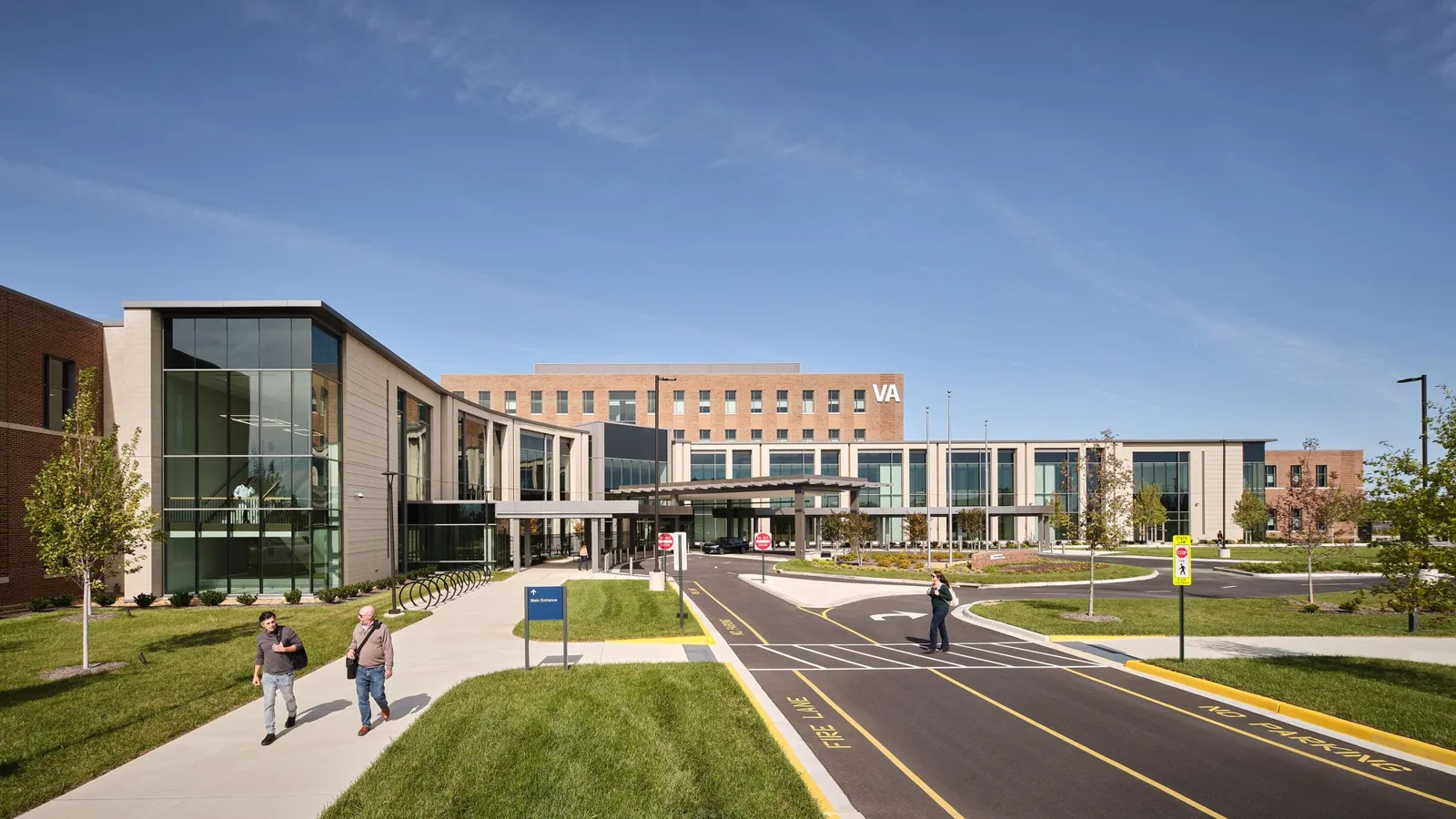
An after-sales service lane can keep moving while a storm leaves water above the showroom or parts department. We first protect vehicles and interior areas, identify the roof zone, and map where lifts and materials can be staged without blocking customer or shop access. In Broken Arrow, OK, Tulsa Tech's 53-acre campus beside the Creek Turnpike includes automotive maintenance, collision repair, and heavy-diesel programs. Those vehicle-service programs make route and staging coordination familiar parts of the local commercial setting. Our dealership roof inspection records the assembly, equipment curbs, drainage, and work constraints before a scope is selected.
Separate showroom and service access
Vehicle display rows, customer drop-off, parts deliveries, wash bays, and technicians need clear routes even while roof work proceeds. We identify roof entry, lift position, occupied rooms below, and the movement of cars through the service drive. If a lane must close, the work plan states which one and for how long. We also ask where vehicles can be moved before an opening is made above the shop or showroom. A phased commercial reroof sequence can move through smaller areas and return the floor or service lane to normal use after each shift.
Tulsa Tech Broken Arrow Campus sits beside the Creek Turnpike and offers automotive maintenance, collision, heavy-diesel, and other vehicle programs. The Broken Arrow Expressway (SH-51) crosses the north side of the city. We confirm each dealership's address, arrival route, and vehicle-service access with its operations contact. On a dealership roof, we verify exhaust, vehicle-lift clearances, rooftop HVAC, and parts-storage conditions directly. A map of the shop floor, service hours, and delivery window helps set a route that keeps customers away from the active work zone.
Inspect after hail without presuming loss
The spring storm cycle across Broken Arrow can interrupt roof access with rain and gusts. We use a site inspection to establish whether hail or wind left any visible effect at the dealership. Local hail reports may be isolated, so a nearby storm is a trigger to inspect, not proof of damage. We photograph roof membrane and metal details, check seams and edge conditions, and look for impacts near drains, skylights, and equipment curbs. If water is active above vehicles or electrical controls, temporary protection comes first. Emergency response is available around the clock, holidays included; permanent work is set after the roof is safe and the observed condition is recorded.
Late July through early September sees recurring Tulsa readings at or above 100 degrees. A dealership often relies on outdoor vehicle display and repair bays, so work should protect both the roof and the active floor below. We coordinate exposed material handling with heat, shop ventilation, and customer traffic, then secure any open area before ending a shift. A hail damage roof inspection records the roof's own findings and does not convert a regional report into an insurance conclusion or replacement scope.
Check penetrations and runoff paths
Service buildings may have exhaust fans, lifts, ductwork, plumbing vents, and condensate lines crossing the roof. We inspect the flashing and support detail at each observed penetration, then check nearby seams and drainage. A leak at the ceiling over a service bay can move from another curb or roof joint, so the mark below is not the only area examined. We also note whether water collects around a low point or runs toward a door or equipment space. A drain and scupper review identifies outlet conditions separately from membrane defects.
Roof material selection follows the existing assembly, deck, attachment, drainage, and intended use. A metal roof may need fastener or seam correction; a membrane roof may need compatible patching at a penetration. Coating should not cover wet material or unresolved drainage. We document layers and moisture before comparing localized repair with recover or replacement. Our metal retrofit evaluation reviews existing panel connections and transitions before a new system is considered. The scope can separate an urgent leak repair from work scheduled during a slower sales or service period.
Set a clear repair boundary
One failed curb or seam may be repaired without disturbing the full roof when adjacent areas are sound. Multiple leaks, wet insulation, loose edge metal, or recurring water at the same bay can justify further testing. We inspect deck, insulation, roof layers, and drainage and identify any test opening needed before a capital recommendation. A documented repair scope describes the boundary, photos, protection, and items outside the work. Cost and duration follow access, vehicle protection, material availability, roof condition, and the length of the affected area.
A dealership may combine public showroom space with technical service bays. A large retail roof plan centers on docks and customer circulation, while a flex-industrial inspection addresses bays with different users. Here the plan must preserve both sales and service flow, with a marked route for cars and equipment. The owner receives findings by roof zone, a proposed work sequence, and the next decision before vehicles are moved or an entrance is restricted.
Return the shop with a useful record
Closeout photos show the completed detail, nearby penetrations, and drainage areas reviewed for the work. We note when a drive aisle or display area can reopen, what temporary protection remains, and whether another inspection is recommended. A maintenance check can revisit seams, curbs, drains, and areas disturbed by equipment service. The record stays specific to the building and roof section so facilities staff can compare a future report with the current condition instead of repeating the whole inspection.
Share the service schedule, customer hours, vehicle display plan, parts delivery windows, shop map, roof access rules, and interior leak reports. We will coordinate the first visit with the operations lead and return a documented repair boundary and staging plan. If a storm opens the roof, emergency response is available day and night. Permanent work proceeds when conditions and access allow, with a final handoff that tells staff which areas are ready for regular service.
Dealership roof scopes need a clear separation between customer-facing areas and shop operations. We confirm which doors, service bays, vehicle paths, and parts areas must remain available, then establish a roof access and staging plan with the site contact. A reported leak over a showroom may require different interior protection than a concern above a service work area. Our inspection records the actual roof assembly, the location of equipment and penetrations, and any drainage condition connected to the report. If repairs can be phased, the proposal identifies the work boundary and the access time needed for each phase. At closeout, photos and a concise status note help the operator reopen affected space while preserving a record of any observation that still needs follow-up.
Commercial Roofing Questions
Can roof repairs happen while the service department stays open?
Often, if the active roof area, service lanes, and equipment below can be separated safely. We coordinate vehicle movement, noise, and staging with the shop manager before choosing a work window.
What should happen if water reaches a vehicle or lift?
Move vehicles and isolate electrical or slip hazards if safe, then report the roof area and active leak. We can respond around the clock and document temporary protection before permanent work.
Does hail require replacing the entire dealership roof?
No. Hail may be localized. We inspect the specific roof, photograph impact and seams, and compare repair with broader renewal only when the assembly condition supports it.
Can work be limited to the showroom roof?
Yes, when inspection confirms the issue is confined to that section. We map the boundary and check nearby transitions so water movement or shared drainage is not missed.
How do you avoid disrupting customer drop-off?
We review the service drive, display rows, customer entrances, and delivery times with management, then place staging and barriers where approved. Any temporary restriction is communicated ahead of time.