Hotel Roofing
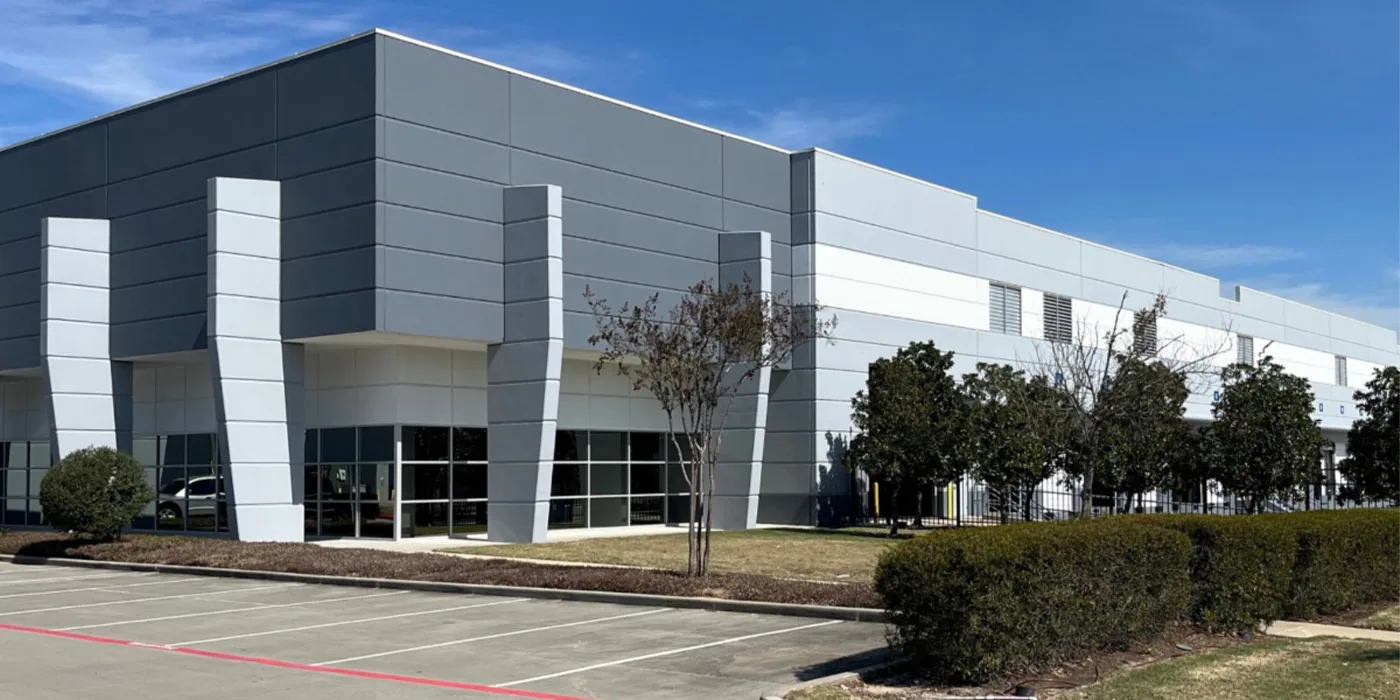
A sold-out weekend changes where a roofing crew can stage before the first membrane detail is touched. We confirm guest entrances, service access, roof keys, and the rooms below the reported leak, then set a work boundary with hotel management. In Broken Arrow, OK, the Rose District is a mixed-use downtown center served by Kenosha Street to the north and Washington Street to the south. Roof assemblies and access routes vary from one hotel property to another, so we inspect each building before scheduling work. Our hotel roof inspection records the condition and access plan before the property sets a guest notice or repair window.
Keep guest routes and rooms protected
A leak near a guest room, corridor, kitchen, or meeting area can affect more than the ceiling below it. We compare the report with roof seams, penetrations, drains, and nearby transitions, then identify which rooms or public areas need protection. A water path can move before it appears indoors, so the inspection records both the reported location and the roof area examined. Management receives a map of the affected zone and a practical isolation plan. A phased occupied-property sequence can limit noise and access conflicts while keeping exits, housekeeping routes, and service areas usable.
Across the Tulsa area, the spring calendar is the wettest, with regular showers and thunderstorms. Larger hail and damaging gust events cluster in spring and the first weeks of summer. A storm report can prompt inspection, but hail may be localized and cannot establish damage at an individual hotel. We look for visible impact, open seams, displaced edge metal, and interior moisture, then record what is found. If a leak is active, temporary protection and guest safety come first. Around-the-clock emergency response is available, including holidays; permanent repairs follow documented conditions and a safe weather window.
Map roof access before guest notices
Hotel work has separate paths for guests, employees, deliveries, housekeeping, and emergency services. We review roof access points, lift or stair limitations, loading hours, fire lanes, and material staging with the manager before arrival. A lift cannot occupy a guest drop-off or block an exit simply because it is the shortest route to the roof. We mark the work zone, specify the hours of disruption, and keep the handoff with the person managing the property. For a multifamily roof, resident notices may replace room assignments, but access still needs a property-specific plan.
Broken Arrow classifies its historic downtown Rose District for mixed use. The local plan identifies Kenosha Street as serving the district's north side and Washington Street its south side. Those arterials help describe the local setting, but we confirm the hotel's actual loading approach and roof access rather than assume a route. A Rose District service-area inspection can coordinate with local property staff, while any temporary closure remains subject to the building's own access and safety rules.
Inspect equipment and perimeter details
Hotels may have exhaust fans, HVAC units, plumbing vents, kitchen equipment, and communication lines on the roof. We inspect curbs, pitch pans, service walk paths, and flashing where technicians may cross or move equipment. A service call can disturb an old repair or create a new gap at a penetration, so the roof record should note both the condition and the date of follow-up work when that information is available. A roof equipment detail review checks transitions without assuming a specific system is present.
Water must leave the roof through working drains, scuppers, and overflow paths. We check outlets and low points, then note whether standing water appears related to blockage, slope, membrane, or a separate detail. If testing is needed, the proposed opening and interior protection are identified in advance. A drainage review helps distinguish a maintenance item from a repair. The local climate profile places many days above 100°F in the stretch after late July and before September ends. That heat affects safe material handling and work hours, so access and guest quiet periods are coordinated together.
Compare repair and replacement paths
A localized split at a seam or curb can justify a focused repair if inspection shows the neighboring assembly remains serviceable. If several leaks recur, insulation is wet, or the membrane and edges are failing across multiple areas, a wider condition review may be warranted. We inspect the roof layers, deck, attachment, drainage, and transitions before comparing patching, coating, recover, or replacement. A commercial roof repair scope states what is confirmed and what still needs testing. Cost and duration depend on the area, access, protection, materials, and operating restrictions; the inspection record explains those drivers rather than promise a universal schedule.
A hotel can share some roof concerns with retail or multifamily properties, yet its public routes, rooms, housekeeping, food service, and guest cycle shape execution. A shopping center work plan coordinates storefront tenants, while hotel work uses room and guest-area notices. River West in Sand Springs includes lodging among its commercial uses; that municipal context supports access planning, while a hotel roof's condition comes from inspection. We define the work area and keep any rooms or operations needing protection in the scope before a capital decision is made.
Return rooms with a documented handoff
At closeout, we photograph the completed roof detail and any nearby drain or seam included in the inspection. The property receives the work boundary, protection status, and any follow-up requirement. Management can use a maintenance visit to check drains, seams, edge details, and rooftop equipment access as conditions change. The record should say what the visit covered and what remains outside scope; it should not imply that an entire roof was tested when only one area was opened.
Share the reported leak location, room or floor below it, occupancy calendar, guest quiet hours, loading schedule, roof access instructions, and any areas that must remain available. We will plan inspection and staging with the person responsible for hotel operations. If water is entering, emergency response can begin around the clock, including holidays. The lasting repair follows inspection findings and a suitable weather window, with the manager receiving a clear reopening point and next decision.
Hotel roof work is easier to schedule when the property team can see guest impact before a crew arrives. We confirm the reported rooms or public spaces, housekeeping and maintenance contacts, service access, and the time window available for inspection. Temporary protection inside the building should be coordinated with room status and the manager’s priorities. On the roof, we document the actual assembly and trace the report through nearby flashing, penetrations, and drainage. Hotels near the Rose District may have different roof assemblies, equipment layouts, and guest-access needs. We inspect each property and plan protection with its facilities contact. Each property gets its own inspection record and work boundary. At closeout, management receives a clear status for the affected area, any space that can return to service, and any follow-up that remains open.
Commercial Roofing Questions
Can roofing work continue while guests are staying at the hotel?
Often, when the work zone, room protection, roof access, and guest routes can be managed safely. We coordinate notices and quiet periods with hotel management before setting the sequence.
What information helps locate a hotel leak?
Room number or public area, time noticed, interior photos, weather conditions, and any rooftop equipment service nearby help focus the inspection. We then compare the report with the roof above.
Should a storm alert trigger a full replacement?
No. We inspect the roof and document actual damage, seams, drainage, and moisture before comparing a repair with wider options. Regional weather does not establish the condition of this building.
How do you protect guests during a repair?
We isolate the area below, coordinate barriers and notices, and plan noise, debris, and staging around guest circulation. Any rooms or routes that need temporary limits are identified in advance.
Can roof equipment service happen during a reroof?
It can be coordinated when the service area and active roofing zone are mapped. We agree on roof access and inspect affected flashing after equipment work is complete.