Self-Storage Roofing
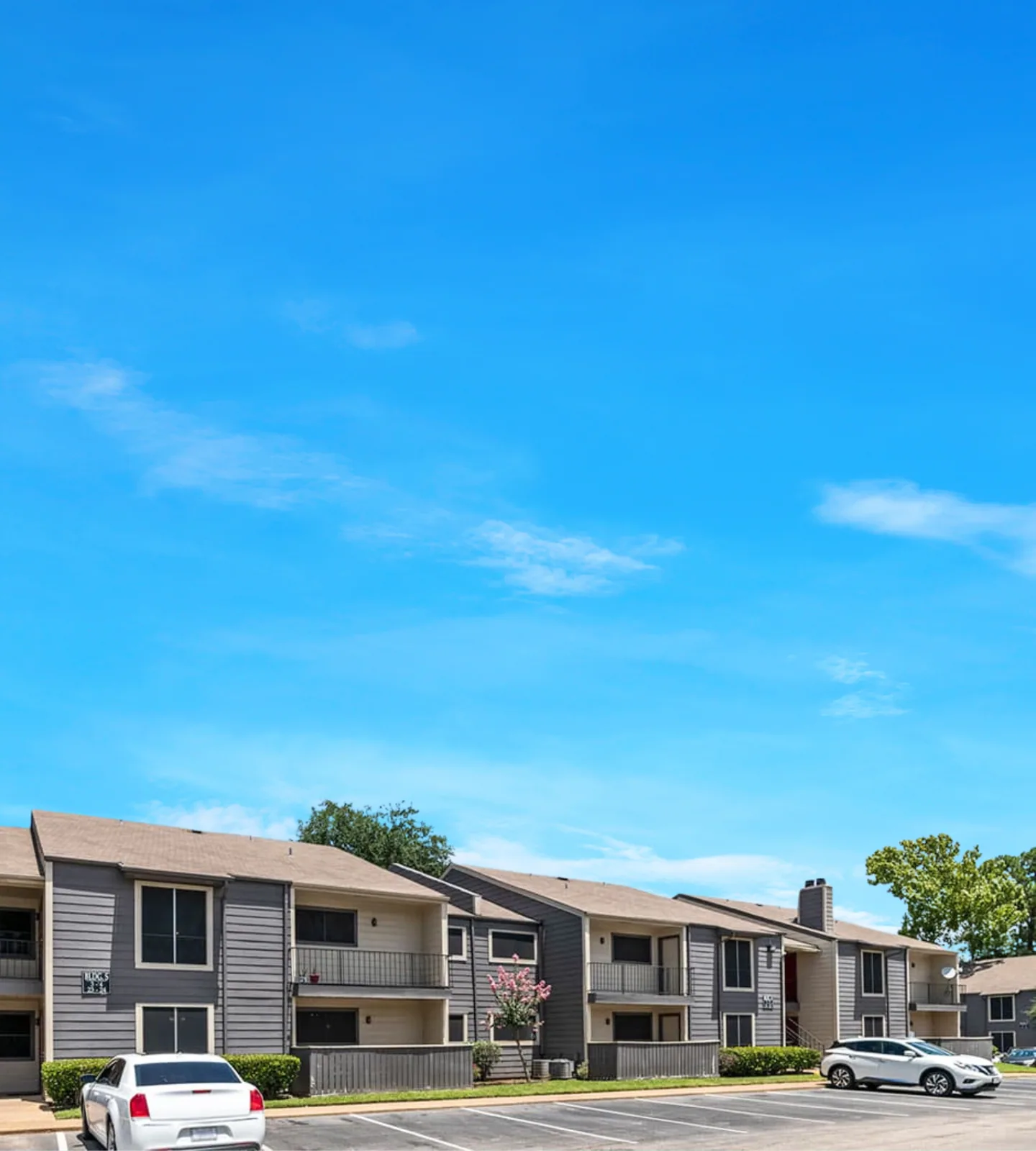
A line of roll-up doors can stay in daily use while water travels from a roof seam toward a tenant unit. We first identify the affected bay, protect stored property where access is available, and inspect the roof above it before setting a repair area. In Broken Arrow, OK, the meeting of SH-51 and the Creek Turnpike marks an 85-acre area planned for light-industrial use at Creek 51 Business Park. For each storage property, the site contact confirms the gate, drive-aisle, and roof-entry plan before materials are staged. Our self-storage roof inspection records drainage, seams, penetrations, and access restrictions for the specific property.
Protect stored contents and access
Storage tenants may not be present when a leak begins, so managers need a way to connect the report with the unit row and roof area above it. We check ceiling or wall marks, door headers, roof penetrations, and the drainage path before recommending a patch. If staff can reach a unit, they may move contents away from active water; we do not assume what is stored or whether a unit is occupied. The work plan identifies the affected side of the property, how tenants will receive notice, and which drive aisle remains open.
Tulsa-area spring brings frequent showers and thunderstorms, and larger hail and damaging winds are concentrated from spring into early summer. Hail impacts may be isolated, so we inspect the actual membrane and edge details rather than infer damage from a regional report. A storm can also push water toward door openings if a roof drain is blocked or an edge transition fails. We document any active leak and protect the interior before permanent repair. Emergency response is available at any hour, including holidays, with lasting work scheduled for a safe weather window.
Keep tenant lanes and gates operating
Drive aisles, keypad gates, fire access, moving trucks, and contractor vehicles can converge during a roof visit. We confirm gate codes, tenant traffic peaks, lift placement, and delivery routes with the property manager. If a lane must be restricted, the affected row and time window should be clear before a notice goes out. A phased work sequence can move by roof zone, keeping a route open while the crew secures the active perimeter and cleans the area at shift end.
Creek 51 Business Park lies where the Creek Turnpike meets Highway 51 and is planned for light-industrial use with listed public utilities. We confirm the specific property’s gate, entry width, turning radius, and staging area before mobilization. We verify the actual address, entry width, turning radius, and approved staging area. For a property near this junction, the manager can identify which gate serves each building, while we return a delivery and roof-access plan tied to the site.
Check long edges and low points
Storage roofs can include extended membrane runs, gutters, scuppers, parapets, and repeated penetrations. We inspect drains and overflow outlets along with seams, fasteners, curb flashing, and the edges above unit doors. A blocked outlet can affect a larger area than one puncture, and the two conditions may require separate work. If water remains after rainfall, we photograph the low point and determine whether cleaning, testing, or repair is indicated. A drain and overflow check gives maintenance staff a defined condition instead of an assumption based on a wet ceiling.
Late-summer Tulsa readings frequently reach or exceed 100 degrees from late July into early September. The exposed roof and metal door assemblies can hold heat, so we plan roof access and material handling around current conditions. If a repair needs an open membrane, the sequence minimizes the time the roof is exposed and states how the unit row below will be protected. A metal roof retrofit review examines the existing panel, fasteners, and transitions before proposing an overlay or replacement detail.
Separate an isolated repair from renewal
A puncture or failed flashing at one unit row can be repaired locally if adjacent material and drainage are sound. Recurring leaks, wet insulation, loose edge details, or multiple failures may support a wider evaluation. We record roof layers, deck condition, attachment, and any test results before comparing patching with recover or replacement. A recover evaluation considers whether the assembly can take another layer and whether moisture must be addressed first. The written scope separates urgent protection from longer-term work so a single tenant report does not become an unsupported property-wide conclusion.
Storage operations differ from a warehouse roof scope, where docks and inventory movement often govern access, and from a flex-industrial property inspection, where bays can have different occupancies. Self-storage planning centers on tenant notice, gates, drive aisles, and unit-specific reports. Cost and timing follow roof condition, material choice, equipment access, protection, and the number of phases. The inspection record lists confirmed defects and any area that needs further testing before a capital decision.
Close the work zone by row
At closeout, we photograph the repair and nearby drains, seams, or roof edges checked during the visit. The manager receives the affected unit row, the barrier removal time, any temporary protection still in place, and the next inspection or repair need. A maintenance visit can revisit outlets, debris points, perimeter flashing, and accessible roof details as conditions change. If different rows are completed in separate visits, each record should identify its phase and access changes.
Storage buildings have repeated units and long exterior corridors, but each roof section still needs its own inspection limits. We identify active units, customer access, roll-up doors, and any stored property below a reported leak. A temporary cover over one corridor must not block egress or direct water into another unit. We inspect seams, fasteners, gutters, drains, and wall transitions, then map findings by building row or roof zone. If access requires a customer unit to be cleared, the manager schedules that entry before a crew opens the assembly. We keep tenant belongings out of the work area and document any interior protection used. A portfolio of storage properties may share operating procedures but not necessarily roof systems or condition. Closeout gives the manager locations, photos, completed work, and units requiring further access, helping them coordinate repairs without labeling an entire facility from one inspection.
Send the unit row or building identifier, gate and access instructions, tenant-notice rules, drive aisle restrictions, current leak reports, and any roof-key requirements. We will document the conditions and return a repair boundary and work sequence that management can share. If water is actively entering, emergency response continues around the clock, holidays included. Permanent work is set when the roof is safe to access and the property can maintain the agreed tenant routes and barriers.
Commercial Roofing Questions
How do you locate a leak when tenants are not on site?
We use the manager report, unit row, interior photos, and roof layout to focus the inspection. We then compare the reported area with seams, penetrations, and drainage above it.
Can repairs happen without closing a whole storage property?
Often. We can isolate the affected roof section and coordinate gates, drive aisles, and tenant notices so the remaining property stays accessible.
What should management tell tenants about roof work?
Identify the row or drive aisle, work window, access restriction, and where to report new water entry. We provide the planned boundary and any temporary barrier details before staging.
Does hail require replacement of every storage building?
No. Hail can be localized, and each roof section needs inspection. We document visible damage and moisture, then compare repairs with broader work only when evidence supports it.
Can you repair a leak above a rented unit?
Yes, with the manager coordinating access to the unit below if needed. We protect stored property where staff can reach it and identify any interior area that should remain clear.