Jenks
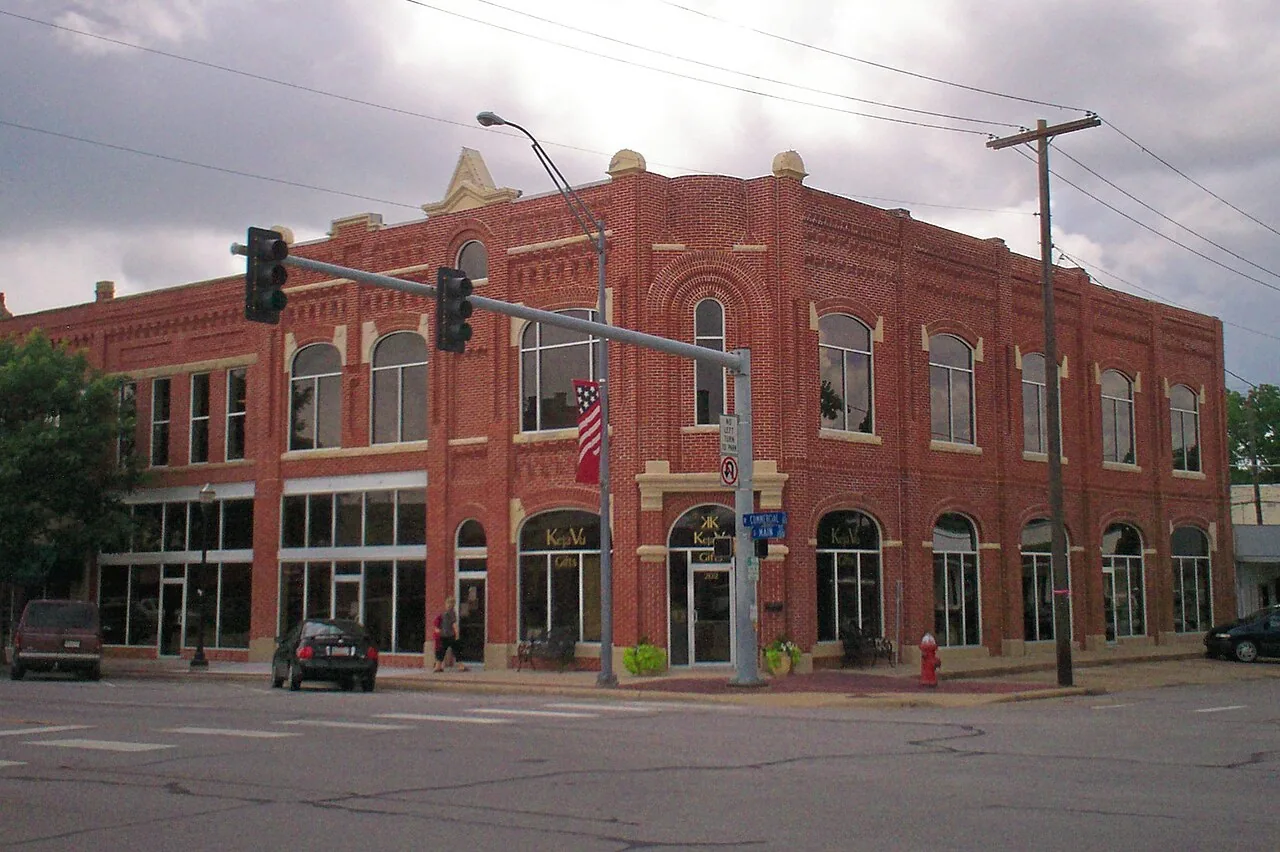
Spring thunderstorms can change a roof job before the first roll of membrane leaves the truck. We identify a section that can be opened, dried in, and handed back before weather closes the work window. In Jenks, OK, commercial roofs serve mixed-use downtown blocks, office and retail corridors, and light-industrial or business-park areas near Highway 75 and the Arkansas River. Those properties have different access and equipment needs. We confirm the building, roof plan, reported condition, and site contact, then map drains, edges, penetrations, and safe staging. The first field record separates current roof evidence from anything still concealed.
Inspect the connected roof section
A water mark inside a commercial building can point to a roof section without showing where water crossed the assembly. We compare the room report with the roof plan and walk the nearest seam, curb, wall termination, and drainage path. At the outlet, the crew checks the bowl, strainer, leader, and overflow. At a parapet, movement at coping or counterflashing can create a separate entry path. A commercial roof inspection records the observed detail, the section label, and any limitation that would require a return visit or test opening.
Jenks' adopted plan identifies light-industrial and business-park uses near 96th Street and Highway 75, near 111th Street and Highway 75, and along the Arkansas River north of 91st Street. Downtown includes commercial, office, entertainment, and institutional uses. That range helps set an access conversation, but the roof map and property contact determine where materials can enter and which areas remain active. We document loading, roof entry, occupants below, and equipment clearances before work begins. If the report centers on an outlet, a drain and overflow inspection follows the full path rather than treating ponding as the cause by itself.
Set a stop point before the storm
Tulsa-area spring is the wettest part of the year, with frequent showers and thunderstorms. We divide repairs or replacement into sections that can be secured during a shift and set the temporary tie-in before removing material. If the forecast or surface conditions change, the crew stops at the agreed boundary and protects any exposed layer. The work log records which area is weather-tight and which task remains for the next window. For active water entry, our emergency response can protect the opening at any hour, with permanent work scheduled when preparation can be completed safely.
Hail reports peak in spring across the Tulsa region, but impact can vary locally. We inspect the Jenks property for actual punctures, displaced edge metal, split flashing, and damage near roof equipment. Photos show the affected detail and the surrounding roof conditions inspected at the Jenks property. A storm-damage assessment can separate temporary protection from repair work and identify any area that still needs access. Late summer heat also changes safe roof access and material handling, so the superintendent confirms the work window and staging sequence before opening another section.
Follow the installed assembly
We identify the roof system from plans, submittals, or field evidence before choosing a repair material. A puncture in a sound sheet may support a focused patch; an open seam beside wet insulation can require a larger test area. The Diligence Notes track fasteners, attachment, existing layers, curb height, edge metal, and water path so the estimate follows actual conditions. A repair scope states which details are included and where the existing surface remains outside the work boundary.
Where a roof has repeated failures or widespread moisture, we compare repair, recover, coating, and replacement using the same findings. Recover feasibility depends on layer count, attachment, structural capacity, drainage height, and clearances at edges and equipment. Replacement allows concealed layers to be examined but requires tear-off, debris handling, and a daily dry-in plan. Coating needs a compatible surface and appropriate preparation. A replacement sequence defines section limits, material lifts, and closure points; a coating review checks the substrate and adhesion before any restoration recommendation.
Coordinate the work route
Jenks business areas include distinct access conditions, from a mixed-use downtown route to a business park with loading and mechanical service paths. Before mobilization, the property contact identifies roof entry, deliveries, equipment shutdowns, air intakes, pedestrian paths, and operating hours. The site walk locates a staging point and lift route that keep entrances clear. When a project sits near a busy commercial corridor, we check current driveway use and construction activity with the building team rather than relying on a map. Each shift closes its open roof section and records the handoff for the next crew or trade.
Downtown zoning accommodates commercial, office, entertainment, institutional, and multifamily uses in a mixed-use setting. That makes tenant notices and protection below the roof relevant to the work sequence, while each building still sets its own access rules. We agree on barriers, service routes, loading periods, and the limits of interior protection before roof removal begins. An occupied-building work plan can divide a larger project into weather-tight areas. For a portfolio that includes Bixby or Broken Arrow, we maintain a separate roof plan and contact record for every address.
Leave a usable roof record
At closeout, we list completed repairs, material where confirmed, tested locations, drain connections, temporary protections, and sections that were not reached. Each photograph is labeled by building and roof area so a manager can compare the same seam or curb on a later visit. If a test opening was not possible, the report states the access or weather limit and the evidence needed before the next decision. A roof condition report carries those details into maintenance or capital planning without turning an untested area into a completed finding.
Jenks business programs include support for access improvements and development projects, while the city's land-use and protective-inspection functions address the built environment. On a roof project, access, loading, drainage, structural strength, and energy requirements may need coordination among the owner, design team, and other trades. We record the roofing items within our scope and identify where a design or building review is needed. For a building near the Jenks Riverfront, we tie the field log to that property's route and roof section, then list the next inspection or repair action for the owner.
Prepare the first visit
Send the Jenks address, roof plan, available membrane records, interior report, access contact, loading restrictions, and preferred work window. Include recent equipment changes and prior repairs if available. We inspect the connected roof details and document whether the next step is a repair, test opening, or larger assembly review. If water is active, the first task is to protect the opening and record what permanent work remains. The owner receives a clear handoff for the next decision.
Commercial Roofing Questions
How does spring weather affect roofing work in Jenks?
Frequent showers and thunderstorms make the daily stop point important. We choose a roof section that can be secured during the shift and document any work that needs a later dry window.
Does a business-park location identify the roof system?
No. We confirm the installed membrane and attachment from plans or field evidence. The property use helps with access planning, while the assembly determines compatible repair materials.
When is a test opening useful?
When a leak pattern, moisture reading, or soft area leaves insulation or deck condition unresolved, a focused opening can answer that question. We record its location and close it weather-tight.
Can a mixed-use building remain open during a roof project?
Often, when the owner confirms entrances, pedestrian routes, deliveries, and work hours. We phase the roof by section and protect occupied areas below the active work.
What information helps price a Jenks roof repair?
The roof plan, membrane type, affected section, access route, prior repairs, and any test results help define the work. Concealed deck or insulation conditions remain separate until verified.