Sapulpa
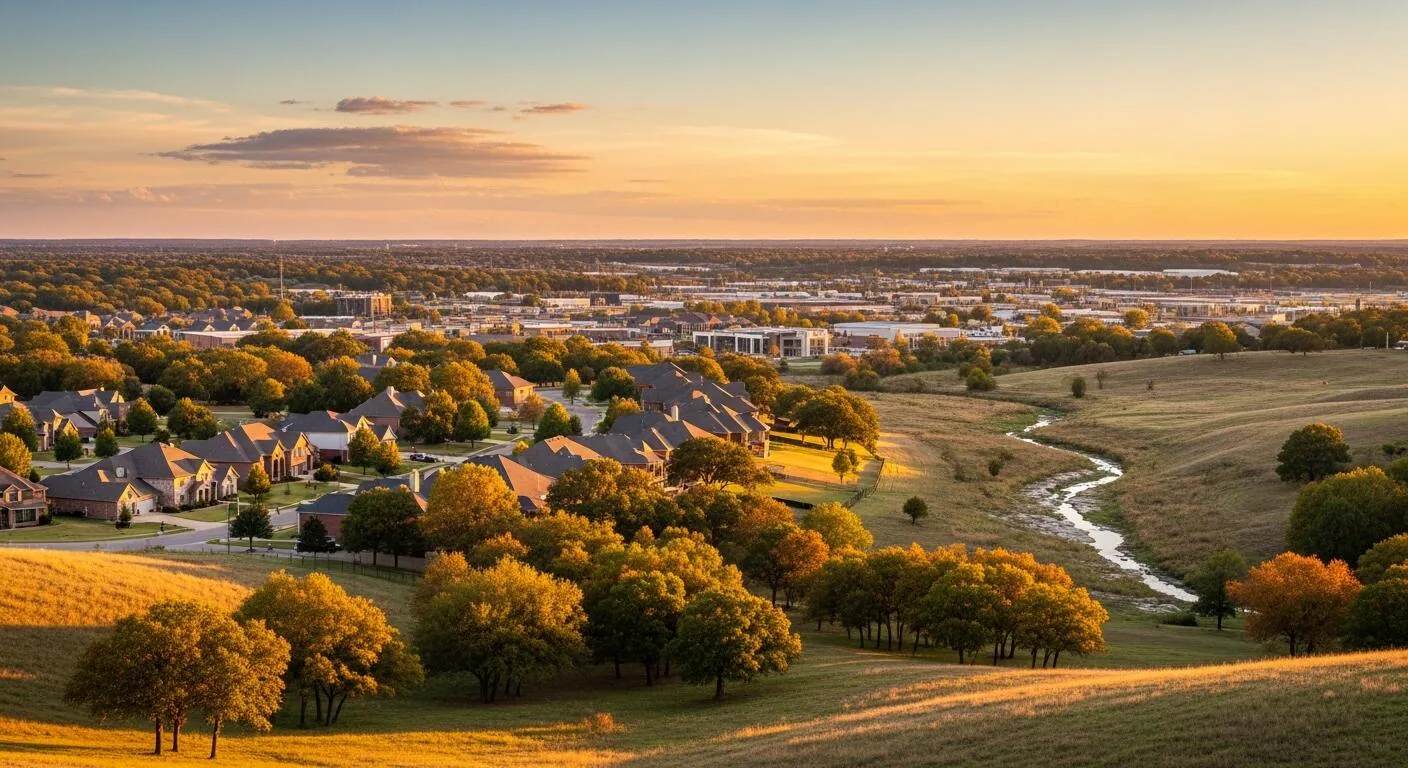
Sapulpa's economic-development office identifies historic Route 66 and Downtown Sapulpa as commercial locations for office and retail properties. The city also reports four industrial parks and more than $177 million in commercial building permits issued since 2000. Downtown storefronts, Route 66 businesses, and industrial properties each bring different access and roof-planning needs. We begin with the building in scope, confirm roof access and occupancy, and record drainage, seams, transitions, and interior reports before setting a repair boundary. A roof inspection with a photo record gives an owner evidence for the next decision.
Keep the property route separate from Route 66
Route 66 helps orient the city's commercial corridor; we confirm each office or retail property's entrance, parking, delivery path, and roof access with the site contact. We confirm the address, check-in procedure, roof entry, and staging area with the person responsible for the site. If a sidewalk or public approach is near the work zone, the contact helps define a secure perimeter and the route that must remain available. A lift position or material drop is confirmed on site before equipment is unloaded.
The city's industrial parks form a separate part of Sapulpa's commercial setting. At an industrial park, the facility representative identifies active work areas, vehicle routes, restricted doors, and operating hours before we select the inspection route. If a roof hatch or ladder is not immediately available, that access question is recorded before intrusive testing is scheduled. Our work plan for occupied properties lays out interior protection, daily stopping points, and handoff. The roof visit remains specific to Downtown Sapulpa, Route 66, or an industrial address as confirmed by its owner.
Set a dry-in point before spring work
Spring carries the heaviest rainfall in the Tulsa area, with recurring showers and thunderstorms. Before removing roofing, we decide how much area can be secured during a shift and how the opening will be covered if a storm approaches. A wet or dirty surface may need additional preparation before seams or flashing can be closed. Temporary protection is listed apart from permanent repair so the owner knows which area is stable for now and what still needs a suitable weather window.
Tulsa-area hail records span the year and show their strongest concentration in spring, while impacts can be local to one property. We inspect the Sapulpa property for punctures, split details, damaged edge metal, and interior water, then record the roof conditions found there. The storm inspection sequence documents the roof zone and any follow-up evidence needed. Tulsa's late summer also brings repeated days above 100 degrees, a factor for roof access, surface preparation, and the hours when exposed work can be performed safely.
Match the leak report to a roof detail
Water can travel from a seam, curb, drain, or wall transition before appearing on an interior ceiling. We record the reported room, look at the roof zone above it, and trace likely pathways without treating the stain as the repair outline. If the assembly or insulation is concealed, we state what is known from the surface and identify a moisture survey or test opening if it would change scope. The condition report labels inspected zones, shows the evidence, and leaves a visible record of areas that could not be reached.
Sapulpa's business-location facts include Downtown and the Route 66 corridor, while the city's broader economic-development profile also references site selection assistance. The owner or manager confirms current use, tenants, and upcoming work so we can coordinate roof transitions with the project boundary. Each service location receives a separate access plan and condition record. At a Sapulpa property, we tie recommendations to the roof inspection and the site contact's operating requirements.
Use permit history as context, not a roof survey
The city reports more than $177 million in commercial building permits issued since 2000. That total signals commercial development activity, but it does not identify a roof's age, material, repair history, or remaining service life. We review any drawings and maintenance records the owner supplies, then compare them with current conditions. A localized failure may support repair when the surrounding surface is sound. Widespread deterioration, wet insulation, repeated leak paths, or failed transitions can justify additional testing or a replacement review. A bounded repair option is written separately from the larger capital choice.
Cost and timing depend on actual roof access, work height, occupied space, removal depth, disposal, wet insulation, deck repairs, edge metal, and how much area can be protected at one time. Downtown street activity or a site entrance may affect staging, but those constraints must be confirmed at the address. If the owner is comparing coating or recover work, we first check moisture, attachment, drainage, and compatibility. We use the permit record as citywide development context and inspect the individual roof before recommending work. A recover evaluation or replacement plan follows the inspected assembly and documented repair history.
Make the inspection record useful after the visit
Closeout lists the roof zones reached, observed conditions, completed protection or repairs, and any detail that still needs access or testing. Each photograph is tied to a recognizable seam, flashing, drain, curb, or perimeter area. If temporary covering remains, the report says where it is and what follow-up will close that item. When a property has active tenants or site operations, we record agreed access limits and any perimeter handoff. That gives a property manager a practical record for maintenance planning and the next visit.
Sapulpa's downtown and Route 66 context can orient a service visit, while the property contact confirms the actual entrance and roof-access route. A storefront, industrial site, or public building may have different delivery and occupancy constraints. We identify the structure, current use, and person authorizing work before placing equipment. On the roof, the inspection documents membrane or metal assembly, drains, seams, parapets, and penetrations, then compares them with any reported interior leak. The property contact confirms roof condition reports, tenant use, and work hours during scheduling. If several buildings are involved, each one receives a separate finding and photo record. We plan an open-roof limit that fits the forecast and secure any unfinished area before leaving. The handoff lists what was inspected, what remains inaccessible, and which decision is needed next. That gives Sapulpa owners a specific repair plan rather than a broad conclusion based on the surrounding district.
For a portfolio that also includes Glenpool or the Tulsa Port of Catoosa, we schedule each visit with its own property contact, roof plan, and operating requirements. To schedule a Sapulpa inspection, share the street address, site contact, roof entry instructions, operating hours, delivery limits, and any interior leak reports. We will confirm a work window and staging arrangement before arrival. Route 66 and Downtown Sapulpa identify office and retail corridors; our recommendation follows the roof inspection and the property's maintenance record. The report will identify the repair boundary and any unresolved question so the owner can choose a next step with the site facts in view.
Commercial Roofing Questions
Does Route 66 identify the entrance to my Sapulpa building?
No. It is a commercial corridor, but access and delivery rules vary by address. We confirm entry, roof access, staging, and pedestrian limits with the site contact.
Do Sapulpa's permit totals tell you how old a roof is?
They describe citywide commercial permit activity, not a specific roof's installation or repair history. We review owner records and inspect the assembly in place.
Can roof work be scheduled around downtown retail hours?
We coordinate work hours, material staging, public access, and protection with the property contact. The schedule also needs a workable weather window for the roof detail being repaired.
What goes into the closeout after an inspection?
The report identifies areas reached, photographs, observed conditions, temporary measures, open tests, and a repair boundary. It can then guide maintenance or capital review.