Cool Roof Installation
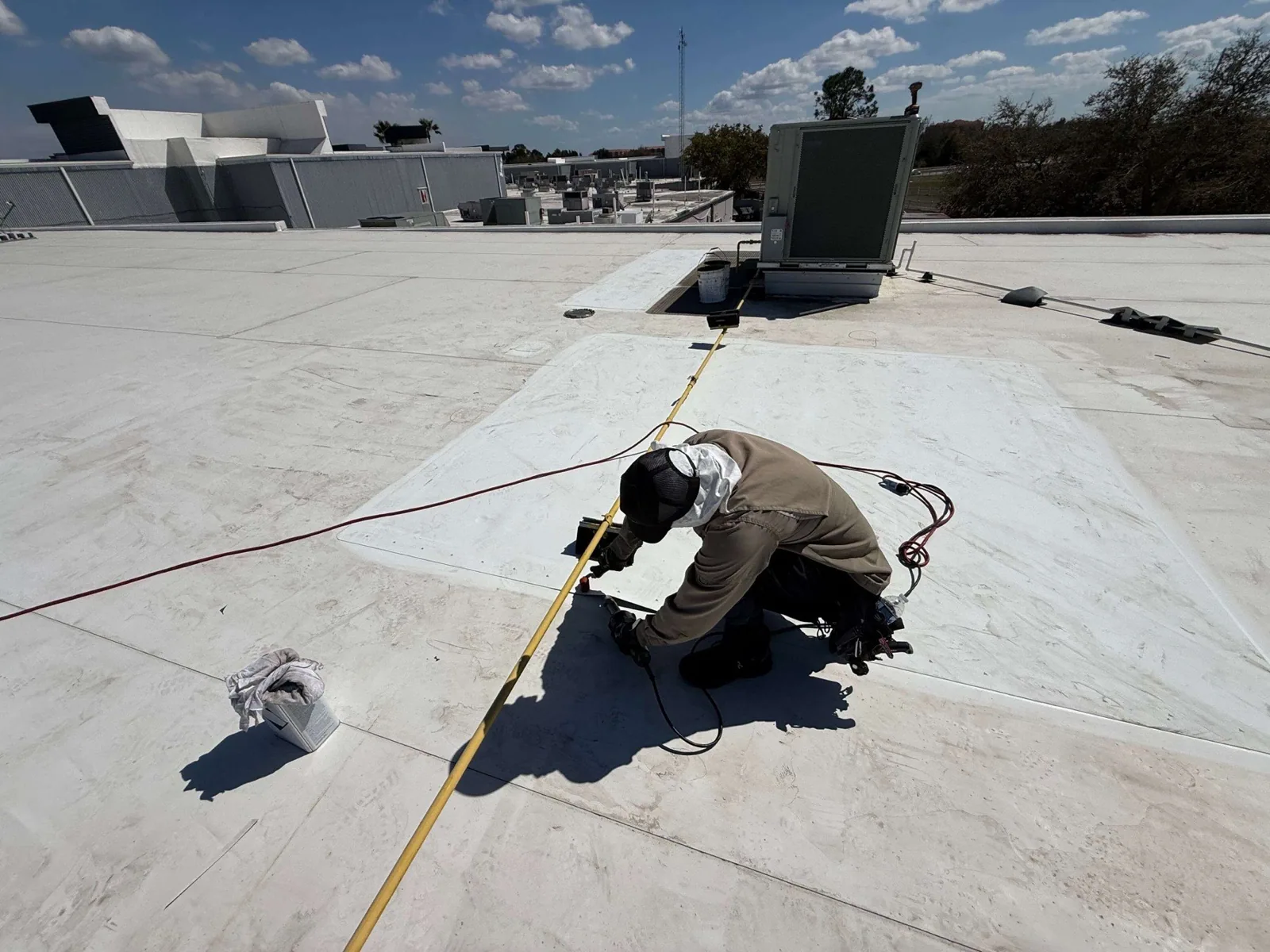
A roof receiving direct late-summer sun can become a worksite constraint before it becomes an energy project. In Broken Arrow, OK, the Tulsa area sees frequent triple-digit readings from late July into early September, so we begin by checking roof access, surface condition, equipment, and interior cooling concerns. A reflective surface can reduce solar heat absorption, but it cannot establish a specific utility result or correct a roof assembly that is wet, poorly insulated, or losing conditioned air elsewhere. We review the existing membrane or metal, drainage, insulation, seams, curbs, and repair history before comparing options. A roof inspection documents those conditions; a capital planning review can place reflective work alongside other roof needs. The next decision depends on system compatibility, building use, and the scope required to prepare a sound base. We also note rooftop equipment, occupied rooms, access routes, and any operating constraint that could affect the installation sequence. That information is part of the roof plan even when the energy analysis is handled separately.
Separate roof temperature from building load
Reflectivity is one input to heat management, not a complete building-energy diagnosis. We discuss the roof surface and assembly while the facilities team reviews insulation, HVAC operation, ventilation, occupancy, and utility history with the appropriate professionals. Broken Arrow's frequent summer heat makes roof exposure relevant, but interior comfort and energy use vary by building and equipment. The roof inspection can identify damaged membrane, exposed insulation, ponding, or failed details that should be addressed regardless of color. If insulation is part of the work, a cover-board and insulation scope can evaluate thermal layers and transitions. We document the proposed roofing changes and avoid assigning projected savings without an energy model and building-specific inputs. That keeps the comparison focused on installed roof conditions and the information needed for a separate energy decision. A useful comparison records the existing roof color and system, planned surface treatment, insulation condition, and areas that are outside the roofing scope. The facilities group can then compare those changes with indoor temperature readings, HVAC schedules, and utility periods that use comparable weather and occupancy. We identify which measurements come from the roof visit and which must be supplied by the building's energy team.
Choose a reflective finish that fits the assembly
A reflective coating, light-colored membrane, or metal finish each brings different preparation, attachment, and maintenance requirements. We identify the roof type and condition, test compatibility where necessary, and address seams, penetrations, drainage, and loose materials before applying a new surface. A TPO membrane and a silicone coating are different assemblies; neither should be selected from reflectivity alone. Coating is considered only when the existing roof can provide a stable substrate and the project requirements support that method. A new membrane system may be more appropriate if moisture, attachment, or deck conditions call for removal. On a manufacturing roof near Creek 51 Business Park, equipment clearances and service routes would be recorded during inspection rather than inferred from the property's industrial zoning.
Preserve drainage and edge details
Added coating or insulation can change how water reaches drains, scuppers, edges, and overflow openings. We inspect flow paths, low areas, curb heights, and perimeter transitions before the reflective system is selected. If water ponds or a drain is restricted, the condition needs separate correction instead of another layer that hides the cause. A drainage review can locate the restriction and determine whether cleaning, repair, or taper work belongs in the project. We also check roof edges and penetration flashings so a reflective surface does not bridge over a failing detail. The work plan identifies how each section will be prepared, coated or covered, and closed before weather shifts. Retail, multifamily housing, dining, and entertainment share the setting at The Shops at Aspen Creek; on a comparable property, discharge, tenant access, and lift staging should be confirmed with ownership before work starts.
Set the work window around occupants
Reflective roof work requires material staging, roof access, and sometimes temporary restrictions around HVAC intakes or rooftop equipment. We coordinate timing with the building contact, identify occupied areas below, and protect paths used by tenants or deliveries. At Northeastern State University's Broken Arrow campus, several buildings and offices share an institutional setting; each requested roof still needs its own access and operating plan. A building-operations sequence can set notices, work zones, and daily closure points. Tulsa-area late-summer heat may also change safe access or installation conditions, so the foreman checks the actual roof and product requirements before continuing. If wind, rain, or surface temperature falls outside the workable range, the crew secures materials and shifts the sequence instead of leaving the roof open.
Measure what the roof scope can confirm
Closeout documents the system installed, prepared areas, repaired transitions, and any excluded condition. Photographs show the surface before and after work, while the project record notes product and application information available from the installation. A later inspection can compare the roof condition, but energy-use changes should be reviewed against weather, HVAC operation, occupancy, and other building factors. If the owner wants to track those outcomes, facilities staff can retain utility and equipment records separately from the roofing closeout. A maintenance visit can recheck seams, drains, and coated details. The handoff gives ownership a roof-specific record and identifies the next inspection or capital decision without promising a utility outcome the roof scope cannot establish. It also records surface preparation, repair locations, application sequence, and any area excluded because the substrate or access conditions were not ready. Those details help the next inspector tell an original roof condition from later wear and keep follow-up focused on the installed assembly.
A reflective finish is one part of a roof assembly, not a substitute for drainage, attachment, or a sound substrate. Before selecting a cool-roof system, we inspect surface condition, existing membrane, insulation, slope, and rooftop equipment. We identify whether the building can support the proposed weight and how new edge or curb details will terminate. If the owner wants to measure energy performance, the project needs a baseline for utility use, occupancy, and HVAC operation; roof color alone cannot isolate savings. During installation, we protect air intakes and occupied routes and follow application conditions for the selected material. Closeout records the system and areas installed, then notes any roof section excluded from the work. A later inspection can compare surface wear, seam condition, and drainage against that baseline. This keeps the project decision focused on verified building conditions and prevents a reflective product description from being mistaken for a performance claim.
Commercial Roofing Questions
Will a reflective roof reduce our utility bills by a set amount?
We cannot assign a fixed savings figure from roof color alone. The result depends on insulation, HVAC equipment, building use, weather, and other factors. We document the roofing scope; an energy analysis needs building-specific operating data.
Can a reflective coating go over our current roof?
Only if the substrate is sound, dry, compatible, and prepared to the selected system requirements. We inspect moisture, attachment, seams, flashing, drainage, and prior repairs before recommending coating instead of membrane replacement.
Does a cool roof change insulation requirements?
Reflectivity and insulation address different parts of heat flow. We review the current assembly and identify whether insulation or cover board belongs in the roof scope, then coordinate energy questions with the building team.
How does Broken Arrow summer heat affect installation?
High temperatures can affect safe access, surface conditions, material handling, and application windows. We follow the product requirements and current roof conditions, pausing when heat or weather makes the work unsuitable.
What should we compare before choosing a reflective system?
Compare substrate condition, compatibility, drainage, required repairs, access impacts, maintenance needs, and installed assembly. We document those roof factors so the owner can weigh them against separate energy and HVAC information.