Catoosa
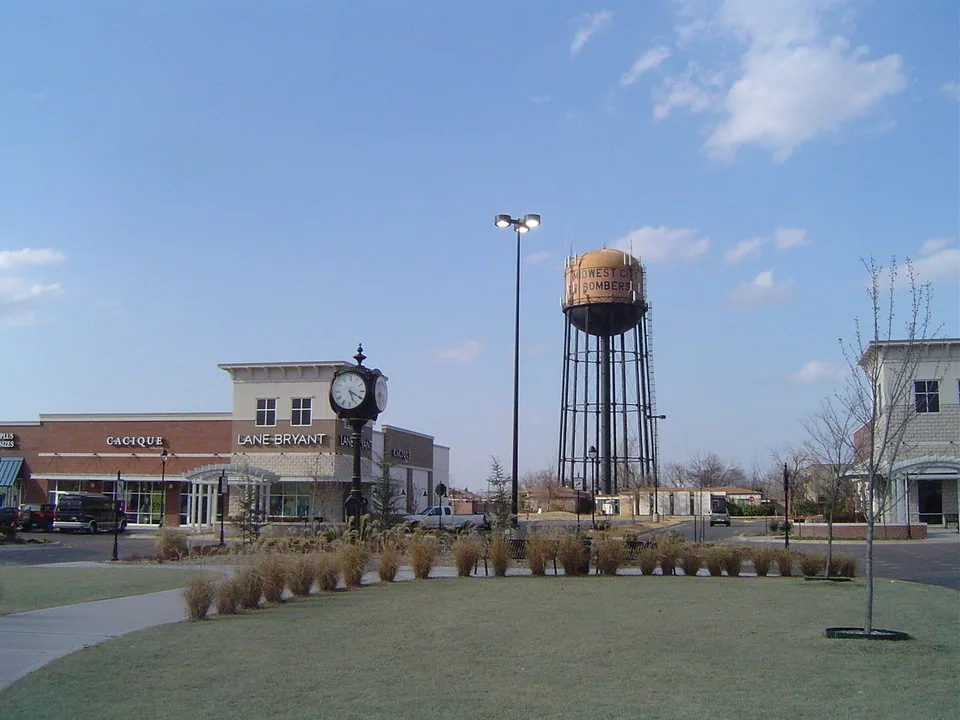
Spring showers and thunderstorms across the Tulsa area can shorten the safe open-work window on a Catoosa roof. Catoosa has a commercial and industrial permit and inspection process, so we confirm the current requirements with the responsible contact before work is scheduled. At the property, we verify the roof assembly, access point, active use, and leak history before drawing a repair boundary. A roof inspection with a photo record connects observed seams, drains, and perimeter details to a practical next step.
The Tulsa Port of Catoosa links barge and rail transfer with industrial, manufacturing, and transportation businesses. For a roofing project, we coordinate material arrival, lift placement, and roof access with the facility contact, then work within a defined section so temporary protection and ground operations remain coordinated. Commercial and industrial work in Catoosa follows local permit and inspection requirements; we verify the current process before scheduling an existing-building project.
Set the work zone before equipment arrives
Industrial activity rewards a sequence that keeps the roof crew, deliveries, and building operations from competing for the same space. Before mobilization, we confirm gate instructions, truck turning limits, receiving periods, overhead lines, and any route kept open for emergency vehicles. The owner identifies who can authorize roof access and who can stop work if a loading or process area changes. We map the staging footprint on the ground and mark the roof section above it so removed material, tools, and temporary protection remain within the approved boundary.
Manufacturing, fabrication, agricultural storage and transport, chemical manufacturing, and general assembly are among the Tulsa Port of Catoosa's target industries. A facility connected to these activities may have equipment, exterior tanks, loading aprons, or secure yards, but each feature must be confirmed at the property. We confirm the approved route and roof entry before equipment or materials arrive. The daily plan names the route, escort or contact, fall-protection setup, and point where the section will be closed. For occupied facilities, our phased roof sequence keeps access limits and interior protection in the same handoff.
Keep spring rain and summer heat in the sequence
In the Tulsa area, the heaviest and most frequent rain comes during spring thunderstorms, narrowing the safe window for exposed roof work. Before removing membrane or flashing, we set the maximum area that can be dried in during the shift, identify the materials for temporary cover, and agree on the stop point. A wet deck or substrate can change adhesion and seam work. If rain moves closer, the crew secures the exposed edge and records what remains so the property contact knows which zone is protected and which needs a return visit.
Hail reports occur year-round in the Tulsa area, with a spring peak and impacts that can be localized. A report of hail is a reason to inspect, not a description of a particular roof. We photograph actual punctures, displaced edge metal, opened seams, or impacts to rooftop equipment and compare them with interior reports. Temperatures at or above 100 degrees Fahrenheit are frequent in Tulsa from late July through early September. Heat affects safe roof access and material handling, so the supervisor can shift the work window or reduce the section size. A storm inspection and protection plan separates emergency dry-in from permanent repair.
Trace the leak through the roof assembly
A ceiling mark can sit far from the roof opening that allowed water in. We start with the reported room or equipment zone, then check the roof above and along likely travel paths. Field seams, wall transitions, drains, scuppers, curbs, skylights, and equipment supports receive close attention where they meet the membrane. We photograph each detail in context and label whether it was dry, wet, obstructed, or outside safe reach. If moisture may be below the visible surface, we specify a survey or test opening that could resolve the question rather than extend the repair by guesswork.
The port's rail and barge activity shapes delivery planning around Catoosa, while Route 66 orients other city properties. Before mobilization, the building contact confirms the entrance, parking, escort process, staging area, and roof entry. We note drains that hold debris, metal that has loosened, and seams that have opened, then compare those observations with maintenance history. A written condition report gives ownership a record tied to a roof map, photographs, and clearly identified follow-up work. For operators managing another nearby property, the broader Broken Arrow service area can be scheduled under a separate roof record.
Match the repair to the verified failure
A localized repair fits when the affected detail can be isolated and the surrounding material remains suitable for a lasting tie-in. A puncture near a service route, a separated flashing, or one failed seam can be priced as a bounded repair after the substrate and adjacent attachment are checked. Repeated water entry, broad wet insulation, widespread seam separation, or failing attachment may justify a larger evaluation. We explain which field observations support the choice and what would change the scope. A defined repair scope and a replacement comparison let the owner weigh useful alternatives.
Cost and schedule move with access equipment, removal depth, deck repairs, insulation, edge metal, disposal, staging, and the amount of roof that can be opened and secured in a shift. If an overlay or coating is considered, we first review the existing layers, moisture condition, drainage, and compatibility. A coating cannot correct a blocked drain or unsound substrate. During summer heat, safe access and material limits may change the daily sequence; during spring storms, temporary dry-in can control how far work advances. An assembly restoration assessment helps determine whether a coating belongs in the options at all.
Leave a usable record for the next work window
Closeout lists the zones inspected, repairs completed, materials used for temporary protection, and items that remain open. Photos show enough surrounding detail to help a second crew locate the same seam, drain, curb, or edge. We record any route or access restriction that changed the visit and identify the person who approved the next step. If a test opening or a return after rain is needed, the report states what it will resolve. Ground barriers and staging areas are checked against the agreed site plan before the crew leaves.
For a first visit in Catoosa, share the building use, current roof access instructions, delivery windows, gate or escort requirements, and the area where water has appeared. We can confirm an inspection time that fits the operating schedule. A company with several facilities can keep each roof's findings separate while coordinating visits across the city. The Tulsa Port industrial area adds barge and rail logistics to the work plan, and the facility contact confirms its current entry and roof-access process. An owner receives the immediate protection status, permanent scope options, and next inspection point in a written handoff.
Commercial Roofing Questions
How do you coordinate roof work at an industrial property in Catoosa?
We confirm the gate, escort, delivery calendar, ground staging, and roof entry with the facility contact. The work map shows the active roof zone and the area protected below.
Does a hail report tell you which repair the building needs?
No. We inspect the membrane, seams, edge metal, and equipment details, then compare visible conditions with interior reports before setting a repair boundary.
Can the roof be opened during a spring storm window?
The crew limits removal to an area that can be secured within the shift. Rain, lightning, wind, and surface moisture determine whether permanent work can continue safely.
What should we provide before an inspection?
Send the building use, roof access procedure, known leak locations, recent service history, and restrictions on deliveries or ground access. We confirm the visit plan before arrival.